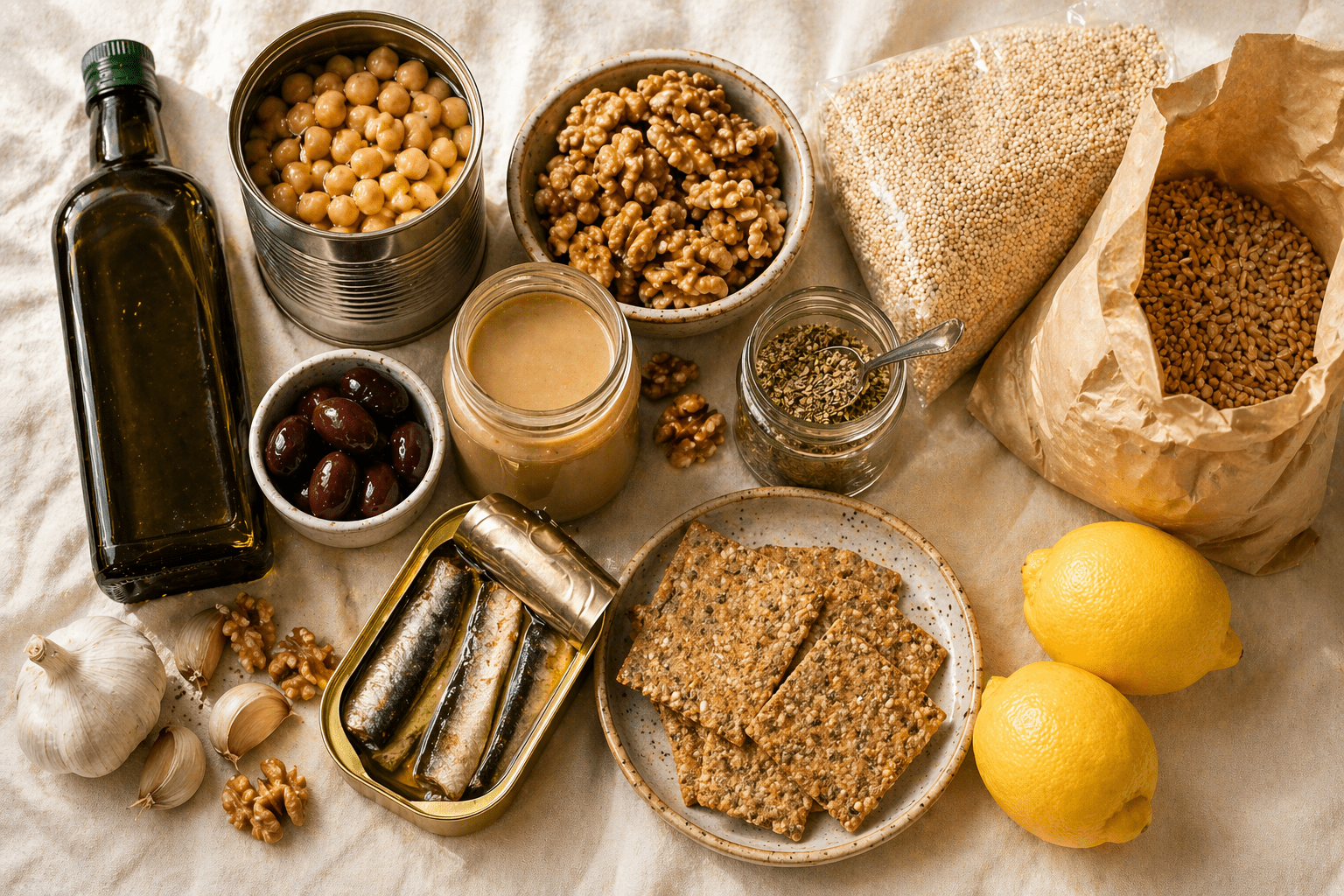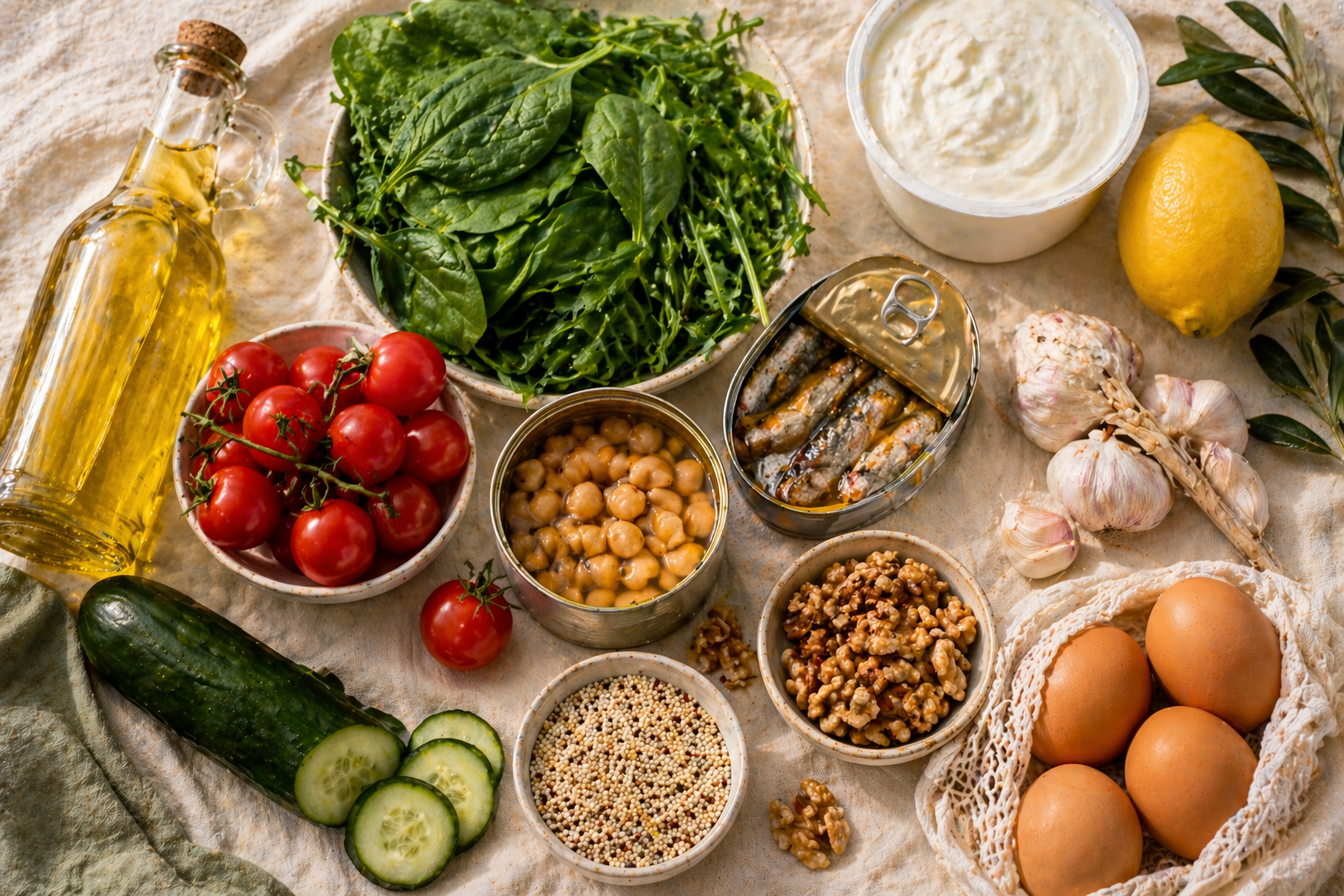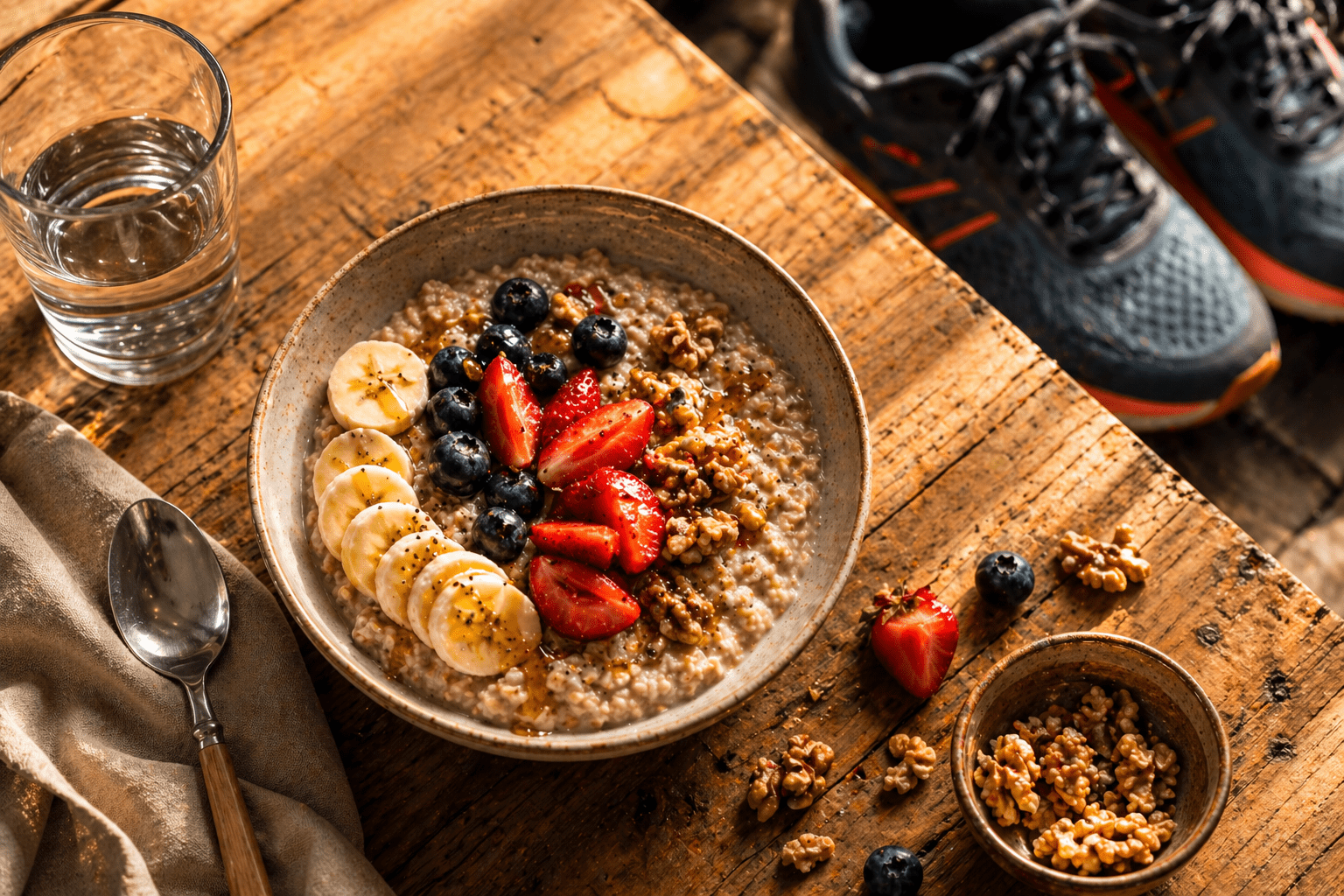
Simple meals built around real food, balanced nutrition, and the EnergiSource Meal System so you can stop guessing what to eat before and after your runs.
If you’ve ever searched for what runners should eat, you’ve probably been told to count carbs, buy expensive sports nutrition products, or follow complicated fueling strategies.
The truth is much simpler.
Your body performs best when it receives consist
ent nourishment from whole foods. Mediterranean eating naturally provides the carbohydrates, protein, healthy fats, fiber, vitamins, and minerals that support endurance, recovery, and long-term health.
You don’t need a perfect diet.
You need meals that work consistently.
In this guide you’ll discover Mediterranean recipes for runners, what to eat before and after a run, practical meal ideas for busy weeks, and a simple framework that helps you build balanced meals with confidence.
The Best Mediterranean Recipes for Runners
Whether you’re heading out for an easy morning run or recovering from a long training session, these meals give your body the protein, complex carbohydrates, healthy fats, and fiber it needs to perform well and recover naturally.
| Goal | Recipe |
|---|---|
| Before your run | Greek yogurt, berries, oats, walnuts |
| Quick fuel | Banana with almond butter |
| Recovery | Salmon, quinoa, roasted vegetables |
| Easy lunch | Mediterranean chicken bowl |
| Dinner | Lentil pasta with olive oil and spinach |
Why Mediterranean eating works for endurance
Most modern running fuel is designed around one thing: getting fast-absorbing simple carbs into your bloodstream as quickly as possible.
That works for the moment of the run. It crashes you afterward. And it does nothing for recovery, inflammation, or long-term performance.
The Mediterranean approach works differently. It’s built on a foundation of:
Slow-digesting complex carbs (whole grains, legumes, oats, sweet potatoes), that release energy steadily over hours instead of spiking and crashing.
Anti-inflammatory fats (olive oil, fatty fish, nuts), that reduce the inflammation distance running creates and accelerate recovery.
Quality protein (eggs, fish, Greek yogurt, legumes), that repair the muscle damage every long run causes.
Antioxidant-rich produce (berries, leafy greens, tomatoes), that handle the oxidative stress endurance training generates.
This isn’t theory. Mediterranean populations have lower rates of injury, faster recovery, and longer athletic careers than populations on standard Western diets. The research is consistent across decades.
But here’s what makes the Mediterranean approach different from the typical “carb-loading” advice runners get, it doesn’t crash you.
That alone changes the experience of running long distances.
What to eat before a run (3 timing windows)
The pre-run meal depends on how much time you have. Here are the three windows that matter.
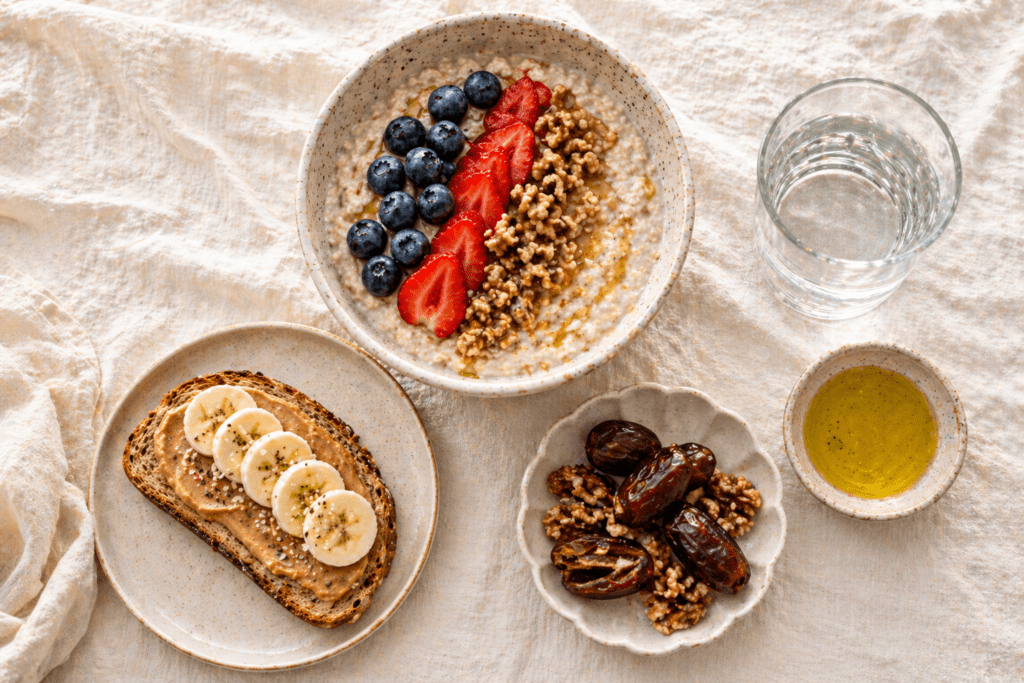
3-4 hours before. The pre-run meal
This is your best window for a real meal. Build it Mediterranean-style:
- Whole grain toast with olive oil, sliced tomato, and a poached egg
- Oatmeal with walnuts, berries, and a drizzle of honey
- Greek yogurt with banana, granola, and a small drizzle of honey
The goal: complex carbs for sustained energy + a moderate amount of protein + a small amount of healthy fat. You want this meal mostly digested by run time but the slow energy release continuing through the run.
90 minutes before. The medium snack
Smaller, simpler, easier to digest. Skip the heavy fat at this window.
- Banana with almond butter (1 tablespoon)
- Whole grain toast with honey
- A handful of dates with a few walnuts
Dates are an underrated Mediterranean fuel, naturally sweet, high in glucose, and contain potassium. Real runners in the Mediterranean have used dates as race fuel for centuries.
30 minutes before. The quick fuel
If you have less than 30 minutes, keep it simple and fast-digesting.
- A small banana
- A few medjool dates (2-3)
- A slice of whole grain toast with honey
This isn’t the time for olive oil or nuts they slow digestion and you don’t want anything heavy in your stomach.
→ Related: What to Eat for Breakfast to Stop Cravings All Day
What to eat during long runs (Mediterranean-style)
For runs under 75 minutes. You don’t need fuel. Water is enough.
For runs between 75 minutes and 2 hours. You need 30-60g of carbohydrates per hour. Most runners reach for engineered gels. You don’t have to.
Real food alternatives that work just as well:
- Medjool dates, 2-3 dates have roughly the same carb content as a typical energy gel. Easy to chew, fast-digesting, and contain natural minerals.
- Honey packets or small squeeze bottles, pure honey is essentially the same thing as a gel, without the artificial colors and synthetic ingredients.
- Dried apricots or raisins, portable, sweet, real food.
- A small whole-grain bread roll with honey, for ultra runners who can stomach more substantial food on the move.
For runs over 2 hours, add a small amount of sodium. A pinch of sea salt added to your water bottle does the same thing as a $4 electrolyte tab.
The dirty secret of the running fuel industry: most engineered gels are essentially just glucose, fructose, water, sodium, and food coloring, at a 4x markup over what you can make yourself with real food.
What to eat after a run (the recovery window)
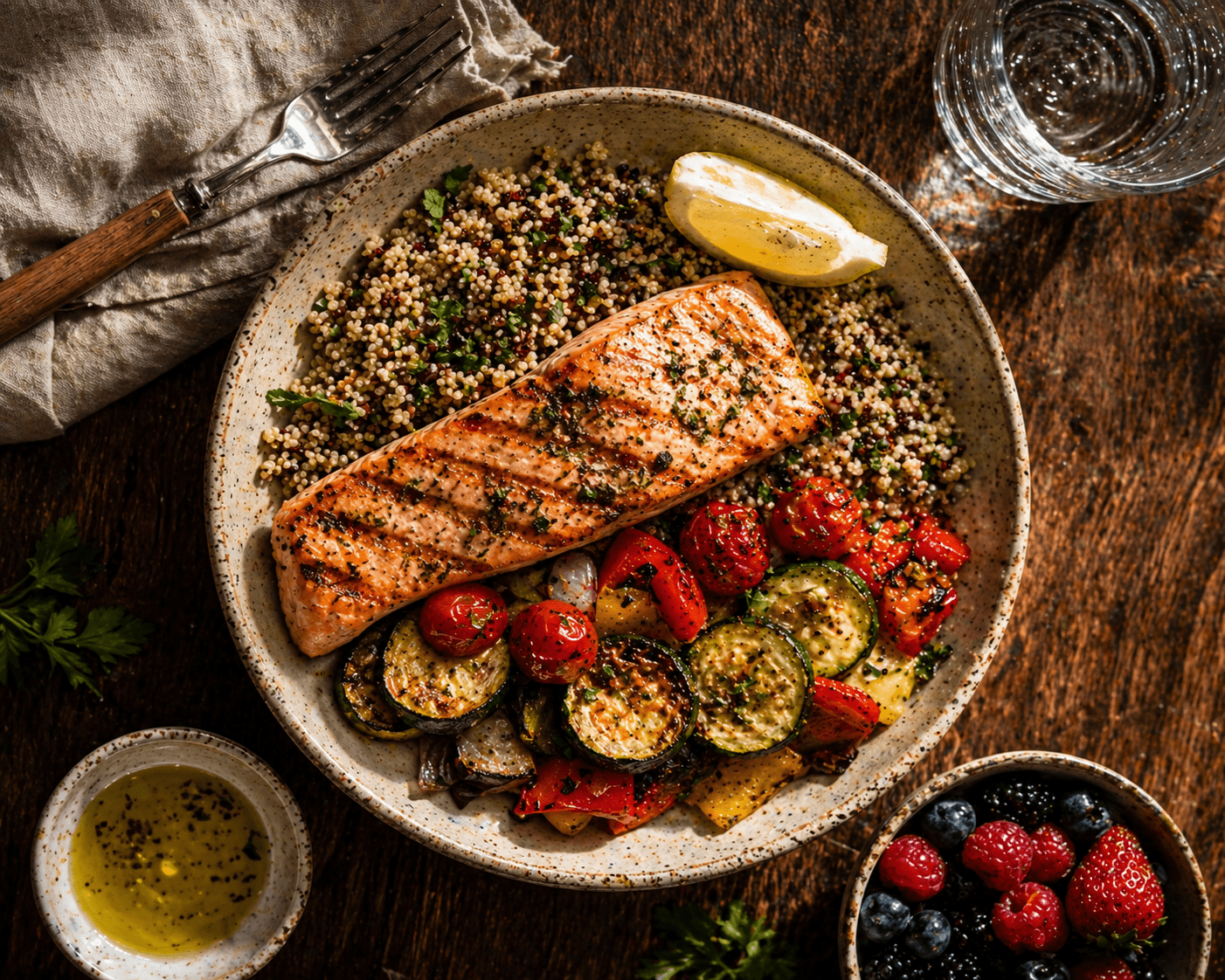
The post-run meal is where Mediterranean eating really separates itself from typical runner fuel.
The first 30-60 minutes after a long run is the prime recovery window. You want:
- Protein to repair muscle damage
- Carbs to replenish glycogen stores
- Anti-inflammatory foods to handle the inflammation a long run creates
The 30-minute post-run snack:
- Greek yogurt with berries, walnuts, and a drizzle of honey, protein, antioxidants, healthy fat, carbs
- Whole grain toast with avocado and two eggs, complete protein and slow carbs
- Smoothie with Greek yogurt, banana, frozen berries, and a tablespoon of almond butter
The post-run real meal (1-2 hours later):
- Grilled salmon + quinoa + roasted vegetables + olive oil. The textbook Mediterranean recovery meal. Omega-3s reduce inflammation, complete protein, complex carbs, antioxidants.
- Lentil and vegetable stew with whole grain bread + olive oil, plant-based, mineral-rich, anti-inflammatory.
- Mediterranean grain bowl with chickpeas, vegetables, feta, and olive oil, protein, fiber, fat, all in one bowl.
This is what a real recovery meal looks like, not a powder mixed with water and called a “recovery shake.”
→ Related: The Balanced Plate Method
If you want a complete Mediterranean meal system you can rotate through, built around the foods that fuel long runs and stabilize recovery, the Cravings Control Reset gives you 7 full days of meals. Specific breakfasts, lunches, dinners. Real food, no powders. Get instant access for $27 →
The 12 best Mediterranean foods for runners
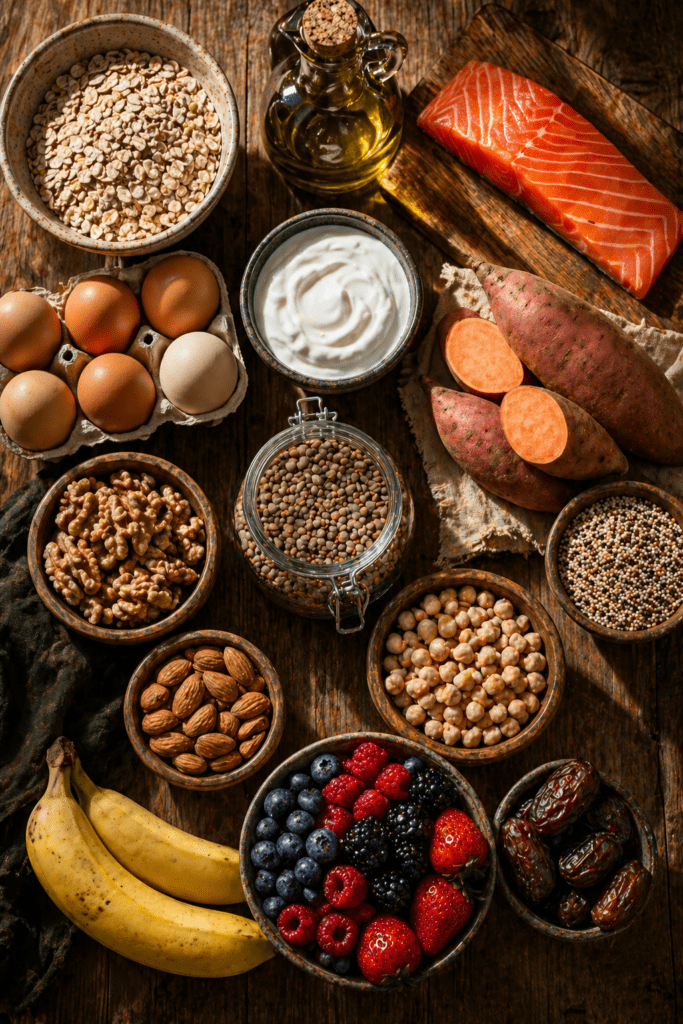
These are the foods worth building your weekly running diet around.
1. Oats, Slow-release complex carbs. The breakfast of marathoners for a reason.
2. Olive oil, Anti-inflammatory, rich in polyphenols. Studies repeatedly show olive oil reduces exercise-induced inflammation.
3. Salmon and fatty fish, Omega-3s for recovery and joint health. Two to three servings per week is associated with better recovery times.
4. Eggs, Complete protein, choline for brain function, easy to digest. Pre-run or post-run, both work.
5. Greek yogurt, Protein and probiotics in one food. Recovery snack gold.
6. Sweet potatoes, Slow-digesting carbs, potassium, antioxidants. Better than white rice for endurance fuel.
7. Quinoa, Complete plant protein plus complex carbs. Works for any meal.
8. Lentils and beans, Iron (critical for endurance athletes), protein, fiber. Cheap, filling, and powerful.
9. Walnuts and almonds, Healthy fats and magnesium. Magnesium is one of the most depleted minerals in runners specifically.
10. Berries, Antioxidants for oxidative stress recovery. Especially blueberries and cherries (tart cherry is associated with reduced muscle soreness in research).
11. Bananas, Easy fast carbs and potassium. The classic pre-run snack for a reason.
12. Dates, Natural energy gel alternative. Higher in minerals than typical processed running fuel.
Build your weekly grocery list around these and you have a complete running diet without ever needing to buy a single supplement.
→ Related: Mediterranean Foods That Keep You Full Longer
A sample running week with Mediterranean fuel
Here’s what a complete week of training fuel looks like.
Monday, Easy run day
- Breakfast: Greek yogurt + berries + walnuts + drizzle of honey
- Lunch: Mediterranean grain bowl (quinoa, chicken, vegetables, olive oil)
- Pre-run snack (3pm): Apple + small handful of almonds
- Easy 5-mile run
- Dinner: Lentil soup + whole grain bread + olive oil
Wednesday, Speed work / intervals
- Breakfast: Two scrambled eggs + spinach + whole grain toast + olive oil
- 90 min before workout: Banana with a tablespoon of almond butter
- Speed workout
- Post-workout (within 30 min): Greek yogurt + berries + a drizzle of honey
- Lunch: Salmon salad with whole grain pita + olive oil
- Dinner: Chickpea and vegetable stew + brown rice
Friday, Rest or cross-training
- Breakfast: Overnight oats with chia seeds, berries, and walnuts
- Lunch: Big Mediterranean salad with grilled chicken + olive oil
- Dinner: Pasta with olive oil, tomatoes, white beans, and parmesan
Saturday, Long run day
- Pre-run breakfast (3 hours before): Oatmeal + walnuts + sliced banana + drizzle of honey
- 30 min before: 2 medjool dates
- Long run (8-12 miles)
- During run: Water + a few dates if over 90 minutes
- Post-run (30 min): Smoothie with Greek yogurt + banana + frozen berries + almond butter
- Recovery meal (2 hours later): Salmon + sweet potato + roasted vegetables + olive oil
Sunday, Active recovery
- Breakfast: Mediterranean breakfast plate (eggs, tomatoes, whole grain toast, olives, feta)
- Lunch: Lentil soup + side salad with olive oil
- Dinner: Grilled fish + quinoa + roasted vegetables
This is what fueling looks like without a single supplement, gel, or powder. Same performance, dramatically less expense, far better long-term recovery.
What Most Runners Actually Need
While we’re here, let me tell you what’s mostly unnecessary:
Energy gels, 2-3 medjool dates do the same thing for a fraction of the cost.
Recovery powders, Greek yogurt + berries + honey + walnuts is a complete recovery food.
Pre-workout supplements, Caffeine in coffee + a banana works equally well for almost everyone.
Electrolyte tabs, A pinch of sea salt + a squeeze of lemon in your water bottle.
Protein powder for runners, Real food protein (eggs, yogurt, fish, legumes) absorbs slower and longer, which is what you actually want.
BCAA supplements, Complete proteins from real food contain everything BCAAs do, plus more.
Most “running fuel” bars, Read the ingredient list. It’s usually corn syrup, soy protein isolate, and emulsifiers in a wrapper.
The running industry generates billions selling things that real food does just as well, often better. Don’t fall for it.
Build Every Meal Using One Simple Formula
Instead of memorizing recipes, learn the pattern behind them.
Every satisfying meal includes four parts:
🥩 Protein
🌾 Complex carbohydrates
🥑 Healthy fats
🥬 Color from fruits or vegetables
Once you understand this structure, you can build meals almost anywhere without following a strict plan.
This is the EnergiSource Meal System.
>> Want these foods built into a complete week of meals automatically?
The Full Plate Method app uses every food on this list to build Mediterranean meals with the protein-fiber-fat formula that keeps you full for 3–5 hours. Free forever. Build Mediterranean meals free
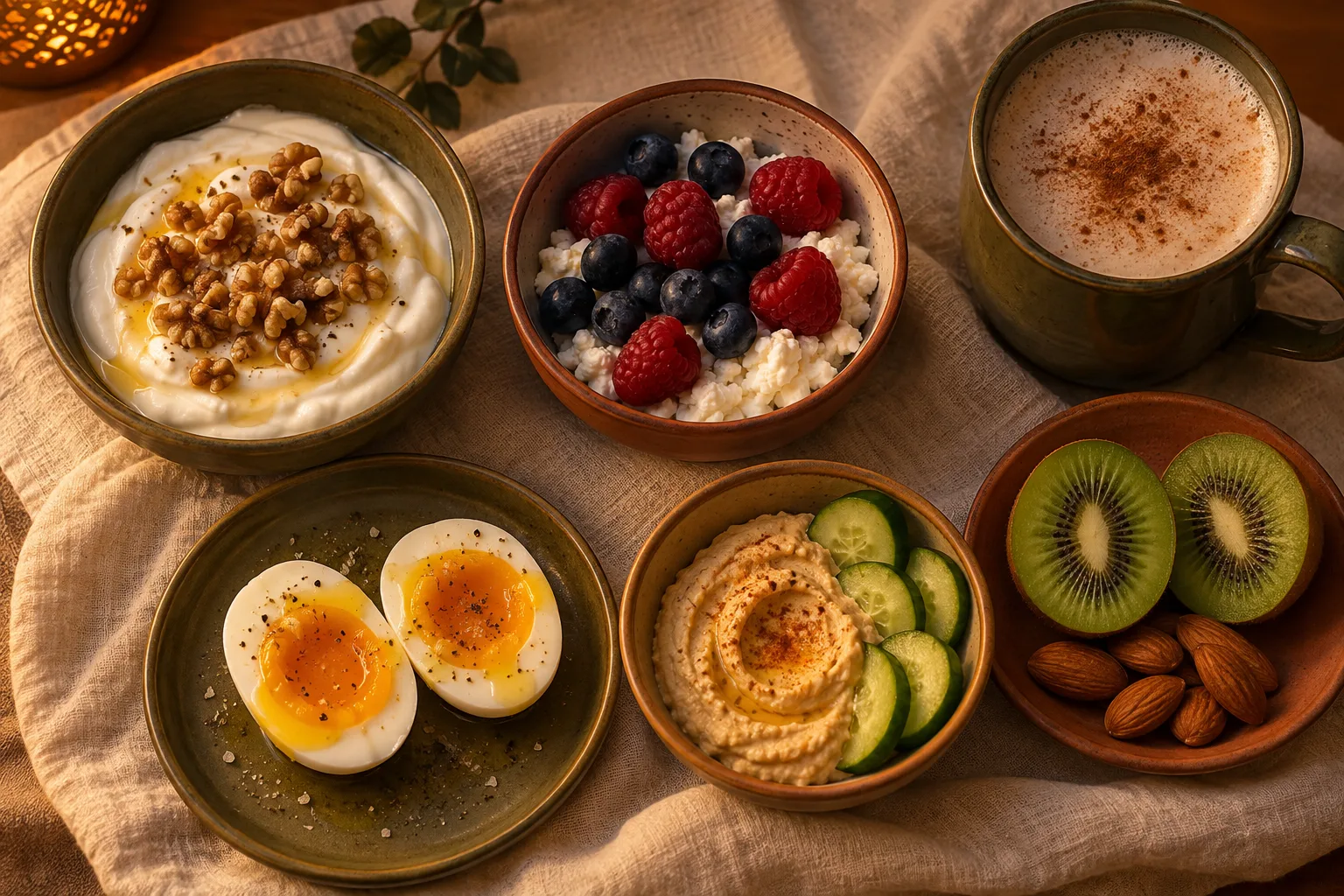
Free printable
Hungry again at 9pm?
Get the free printable Night Hunger Snack List: 10 Mediterranean snacks with exact portions and protein counts, for the evenings when cravings hit. Enter your email and download it instantly.
Free. No spam. Unsubscribe anytime.
Frequently Asked Questions
Is the Mediterranean diet good for runners?
Yes. It’s actually one of the best dietary approaches for endurance athletes. The combination of complex carbs, anti-inflammatory fats, quality protein, and antioxidant-rich produce supports both performance and recovery. Studies on Mediterranean populations show lower injury rates, faster recovery, and longer athletic careers compared to standard Western dietary patterns.
What should I eat before a long run?
3-4 hours before: A real meal like oatmeal with walnuts and berries, or whole grain toast with eggs and avocado. 90 minutes before: A smaller snack like a banana with almond butter or whole grain toast with honey. 30 minutes before: A small banana, dates, or honey on toast.
Do I need energy gels for long runs?
For runs under 75 minutes, no. Water is enough. For runs 75 minutes to 2 hours, you need 30-60g of carbs per hour, but real food works just as well. Medjool dates, honey packets, dried apricots, and raisins are all effective alternatives to engineered gels.
What’s the best post-run meal for recovery?
A meal containing protein, complex carbs, and anti-inflammatory foods. Examples: grilled salmon with quinoa and roasted vegetables, Mediterranean grain bowl with chickpeas and feta, or lentil stew with whole grain bread. The omega-3s in fish, polyphenols in olive oil, and antioxidants in vegetables specifically support recovery.
Can I get enough protein from Mediterranean eating as a runner?
Yes. Eggs, Greek yogurt, fish, legumes, and a moderate amount of poultry easily provide 80-120g of protein per day, which covers the needs of even high-mileage runners. The key is including a protein source at every meal.
What about carb loading before a marathon?
Mediterranean-style carb loading uses real food sources, pasta with olive oil, whole grain bread, oats, sweet potatoes, dates, fruit. The principles are the same as conventional carb loading (gradually increase carb intake 2-3 days before), but the food quality is significantly better, which means less GI distress on race day.
How do I get electrolytes naturally?
Sea salt and citrus in your water bottle. Coconut water for runs over 90 minutes. Olives and pickles before long runs. Real food sources of sodium, potassium, and magnesium are everywhere in Mediterranean eating. You don’t need engineered electrolyte products for most training.
Look at this list one more time. Oats. Olive oil. Salmon. Eggs. Greek yogurt. Sweet potatoes. Quinoa. Lentils. Walnuts. Berries. Bananas. Dates.
These are the foods runners in the Mediterranean have used to fuel performance for thousands of years. The Greek and Italian and Spanish marathoners who built the foundation of distance running didn’t have GU gels or powdered recovery shakes. They had food. Real food. The food my abuela cooked.
The running industry will keep selling you complications, pre-workout, intra-workout, post-workout, micronutrient blends, single-amino-acid powders, $80 jars of “recovery.” None of it is required.
Try this for one training cycle. Switch to real Mediterranean foods for a month. Notice your energy, your recovery, your stomach during runs, your sleep, your pace.
Then tell me you needed a powder.
Want a free meal plan you can use as a runner? The 3-Day Hunger Reset gives you three full days of Mediterranean meals built around protein, complex carbs, and anti-inflammatory foods, completely free. Grab it and start tomorrow.
About Ribert Rodriguez
Ribert is the founder of EnergiSource Wellness. He researches and writes every article on this site personally, cross-checking claims against published research rather than relying on generic wellness advice. His approach is rooted in the Mediterranean framework, built from years of testing meal structures on himself after struggling with cravings, late-night eating, and low energy.