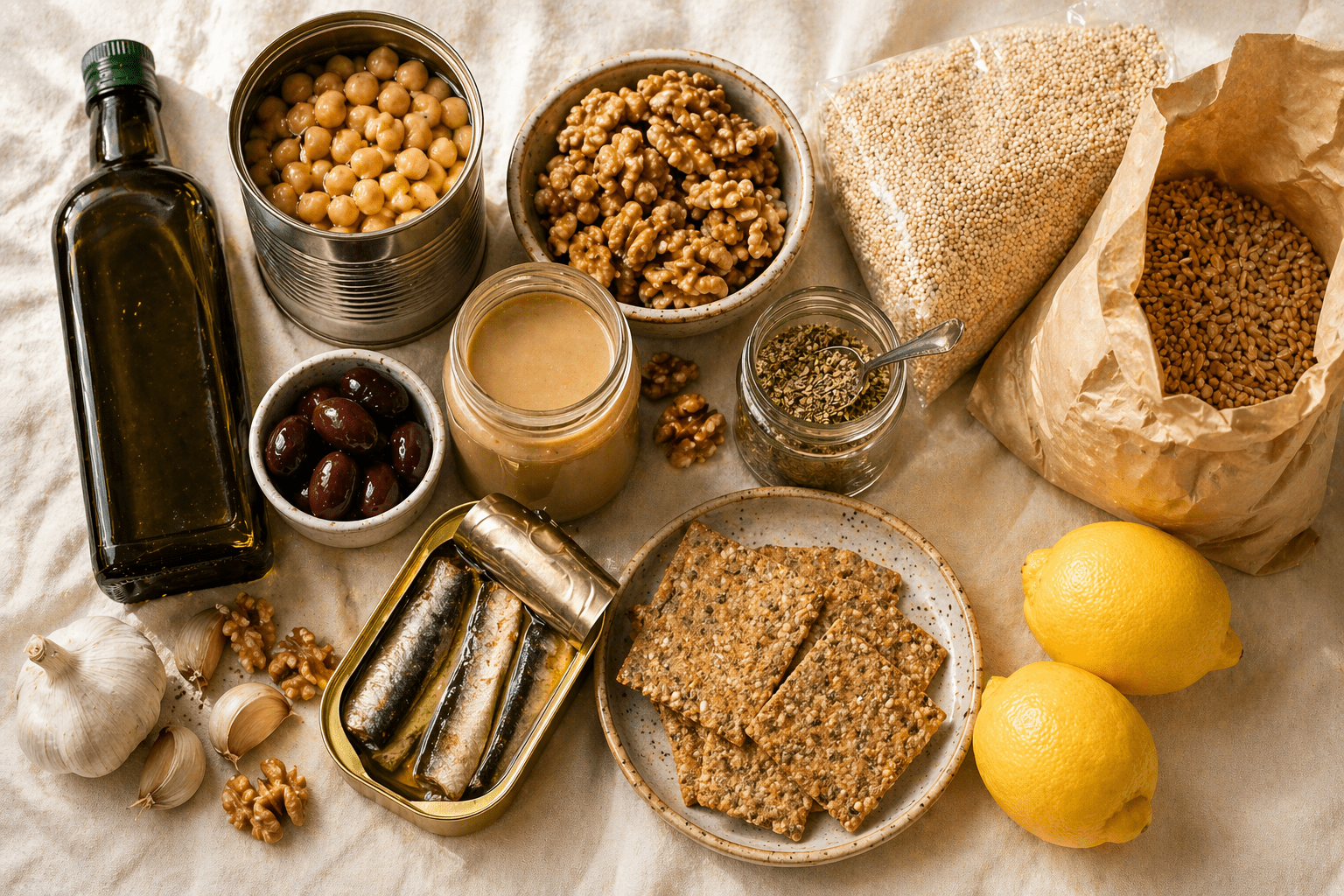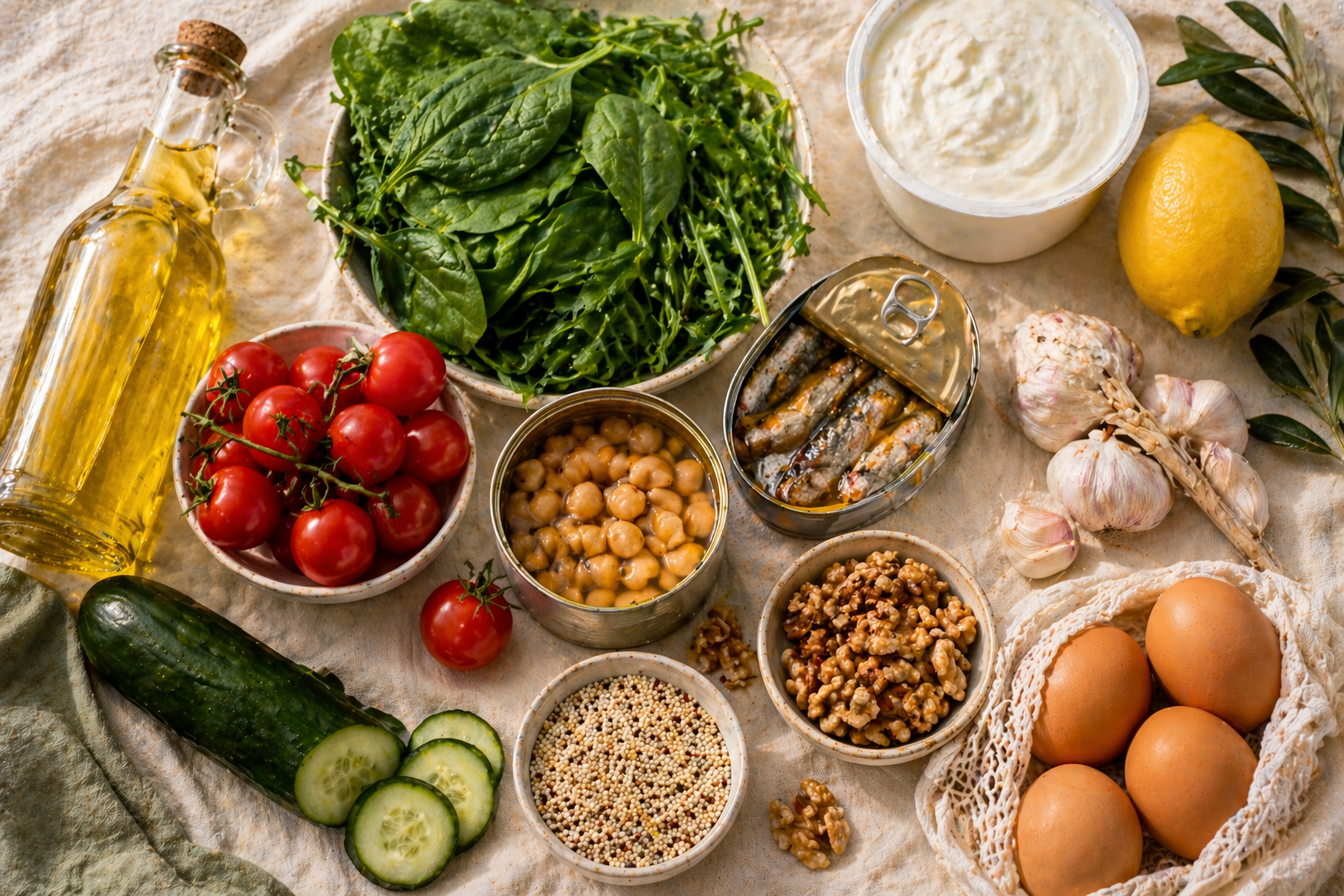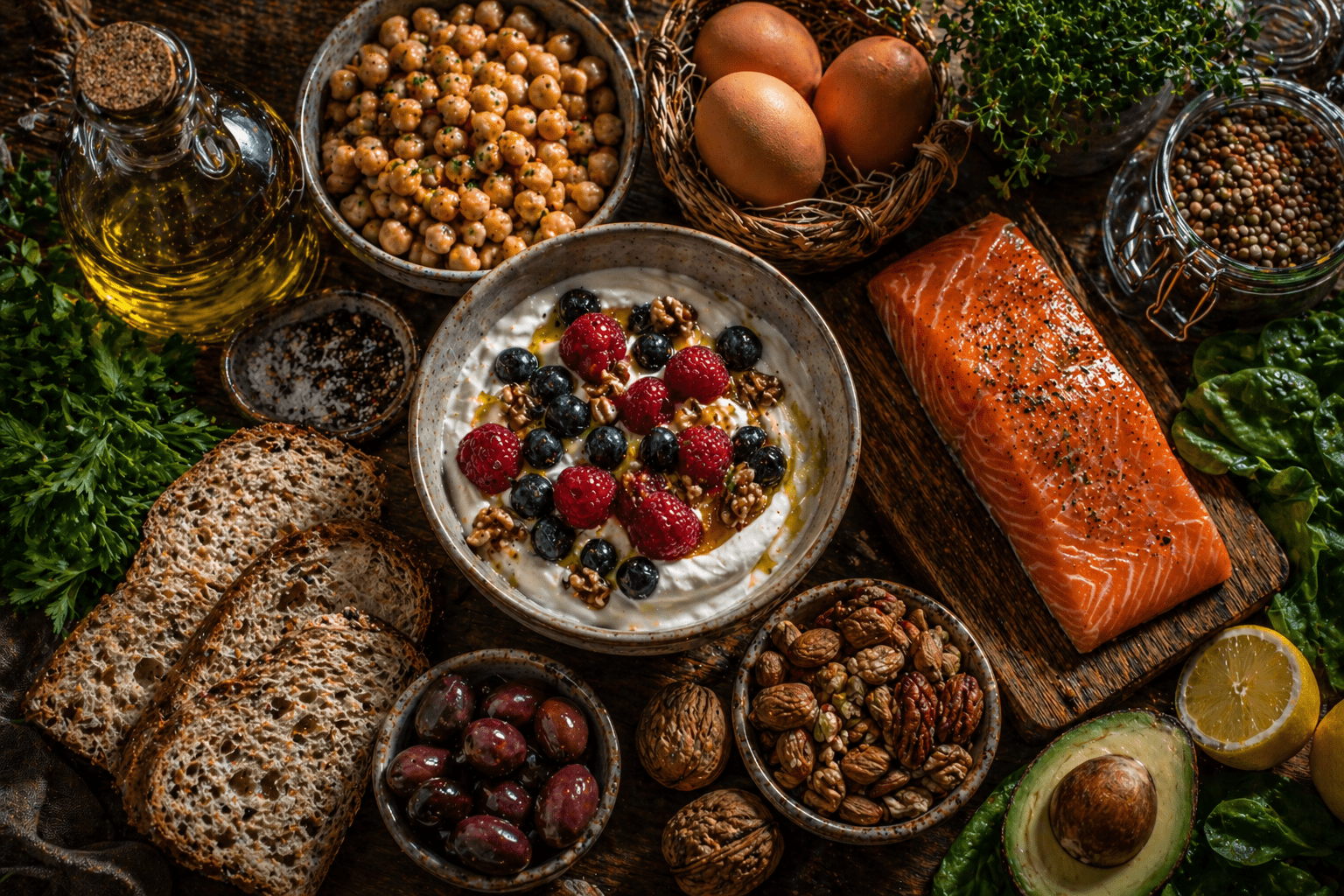
Let me ask you something.
When was the last time you finished a meal and actually felt done? Not stuffed. Not still thinking about food two hours later. Just satisfied, like your body got what it needed and stopped asking.
If that doesn’t sound familiar, your meals are missing the right foods.
I dug into the satiety research for over a year, read the studies, tested it on myself, watched what worked. The answer kept landing on the same place: certain foods naturally keep you fuller longer. The wellness industry doesn’t talk about them much because there’s no powder, app, or program to sell with them. They’re just food.
And here’s the thing, almost all of them are Mediterranean staples that humans have been eating for thousands of years.
Below are the 12 most filling Mediterranean foods. What they actually do in your body. How to use them. And why they stop hunger between meals where most other foods can’t.
Why some foods keep you full and others don’t
Here’s what actually controls how full you feel after a meal.
It’s not calories. It’s not portion size. It’s not even how much you ate.
It’s three things working together:
Protein. The strongest signal your body has for satiety. Without it, no meal will keep you full no matter how big it is.
Fiber, slows down how fast glucose enters your bloodstream, which prevents the blood sugar spike that causes the crash and the next round of hunger. A 2025 Stanford Medicine study found that eating fiber before or with carbohydrates measurably reduced this kind of spike.
Healthy fat, slows digestion and physically extends how long food stays in your stomach.
When all three are present in the right amounts, your body registers the meal correctly. Hunger hormones quiet down. Blood sugar stays stable. Energy stays steady. You stop thinking about food for hours.
The Mediterranean diet works for satiety because almost every staple food contains some combination of protein, fiber, and healthy fat. It’s basically engineered for fullness, by accident, because that’s just how people in the region have always eaten.
Now let’s go through the actual foods.
→ Related: The Balanced Plate Method
The 12 most filling Mediterranean foods
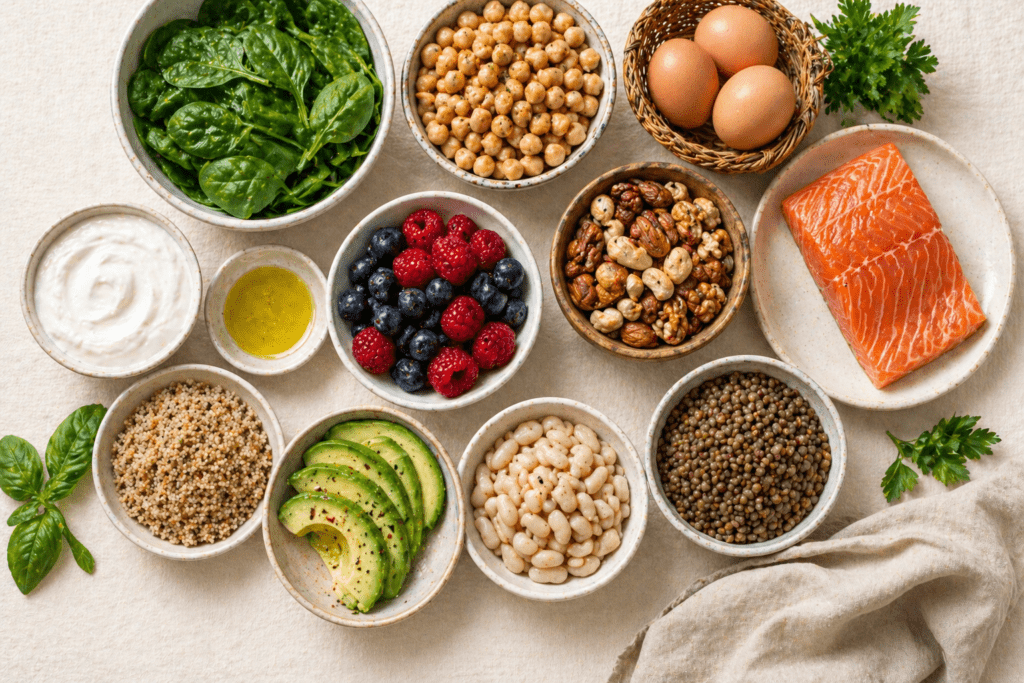
1. Eggs
Eggs are one of the most filling foods on earth, and the research backs it up.
A single egg has about 6 grams of complete protein, plus fat, choline, and B vitamins. The protein-fat combo helps lower ghrelin (your hunger hormone) for hours. Studies have repeatedly shown that people who eat eggs for breakfast eat fewer calories the rest of the day without trying.
How to use them:
- 2-3 eggs scrambled with spinach for breakfast
- Hard-boiled eggs for a portable snack
- Shakshuka, eggs poached in tomato sauce, classic Mediterranean
- Mediterranean omelet with feta, tomatoes, and herbs
A few decades of “eggs are bad for you” advice was paid for by the cereal industry. Don’t fall for it. Eggs are some of the cleanest, most filling food you can buy.
2. Greek Yogurt
Plain Greek yogurt has roughly 17 grams of protein per cup, more than most protein bars and without the 17-ingredient list.
The protein-fat combination keeps blood sugar stable for hours. The probiotics support gut health, which directly affects how your body regulates appetite hormones. Most people don’t know this, but a stressed gut creates a hungrier body.
How to use it:
- Plain Greek yogurt + berries + walnuts + a drizzle of honey for breakfast
- As a base for savory dressings (mix with garlic, lemon, olive oil)
- With cucumber and herbs as tzatziki
- Added to smoothies for protein
Buy plain, full-fat. Skip flavored yogurts, most have more added sugar than dessert. Look for Siggi’s plain whole milk yogurt or any plain Greek yogurt with under 5g sugar per serving.
3. Fatty Fish (Salmon, Sardines, Mackerel)
This is where Mediterranean eating really separates itself.
Fatty fish gives you complete protein plus omega-3 fatty acids, which do double duty for inflammation and brain function. A 2004 review in Current Atherosclerosis Reports confirmed the anti-inflammatory effect specifically, linking omega-3s like EPA and DHA to reduced inflammatory markers relevant to heart disease and other conditions. A 2022 systematic review in Cureus found that DHA specifically supports memory and learning, with the clearest benefits showing up in older adults and people already experiencing memory decline.
The appetite connection is less settled. A 2024 meta-analysis in Systematic Reviews looked at 15 controlled trials and found no significant overall effect of omega-3 supplementation on appetite, though it modestly increased the desire to eat in some participants, so the research here is genuinely mixed rather than a clean case for appetite suppression. Cortisol has better evidence behind it: a 2021 Ohio State study published in Molecular Psychiatry found that a high daily dose of omega-3 (2.5 grams) reduced cortisol by about 19% during a stressful lab task, though that was tested as a concentrated supplement dose, not from fish servings alone. Two to three servings of fatty fish per week is still a reasonable target for the inflammation and brain-health benefits.
How to use it:
- Baked salmon with roasted vegetables for dinner
- Canned sardines on whole grain toast with olive oil and lemon (cheap and incredibly filling)
- Tuna salad with olive oil and herbs (skip the mayo)
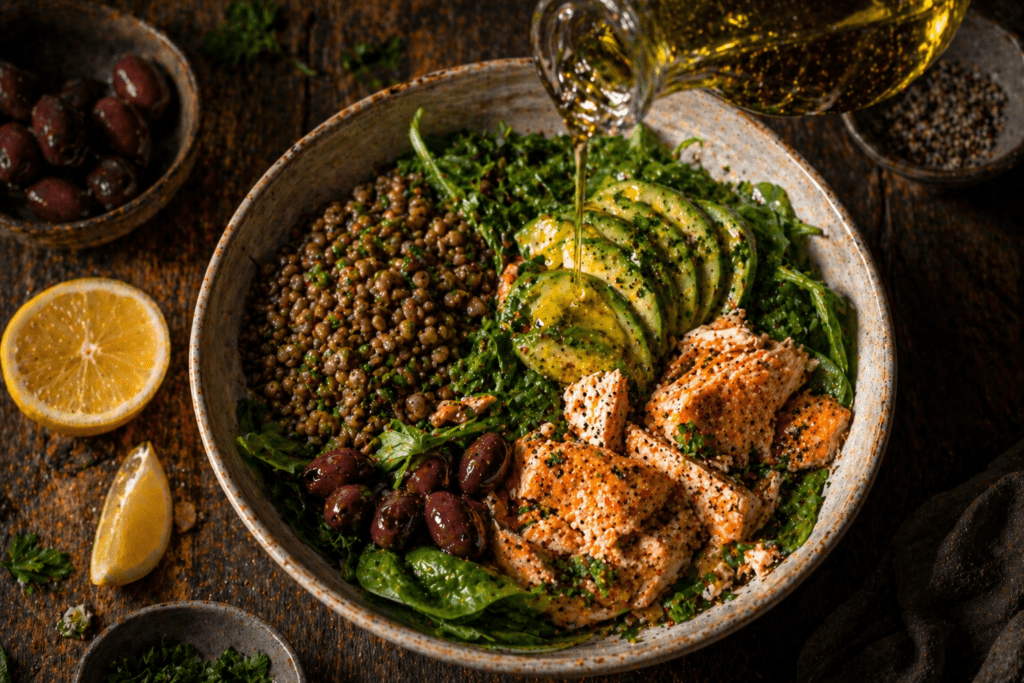
- Smoked mackerel on top of a grain bowl
Sardines specifically are one of the most underrated foods on this list. They’re cheap, shelf-stable, and incredibly nutrient-dense.
4. Lentils
Lentils are the perfect satiety food, and probably the most underused on this list.
A single cup of cooked lentils has 18 grams of protein and 16 grams of fiber. That combination is almost impossible to find in any other single food. They digest slowly, expand in your stomach, and keep you full for 5+ hours easily.
How to use them:
- Lentil soup (Mediterranean staple, onions, carrots, celery, tomatoes, lentils, olive oil)
- As a base for grain bowls
- Cooked and tossed into salads
- Mixed with rice for a complete protein meal
This is the food my abuela in DR built half her meals around, for good reason. Cheap, filling, no fancy preparation needed.
5. Chickpeas
Chickpeas are lentils’ more famous cousin.
Same satiety profile, high protein, high fiber, slow digestion. About 15 grams of protein and 12 grams of fiber per cup cooked. They’ve also been studied specifically for their effects on appetite regulation, with consistent results showing reduced hunger between meals.
How to use them:
- Roasted chickpeas as a snack (toss in olive oil and za’atar, roast at 400°F until crispy)
- Hummus with vegetables
- In Mediterranean salads
- Chickpea stew with tomatoes and spinach
A small food processor makes hummus-from-scratch easy, and homemade hummus is dramatically better than anything in a tub.
6. Extra Virgin Olive Oil
Olive oil is the foundational fat of Mediterranean eating, and the research on it is solid.
The polyphenols in real extra virgin olive oil are anti-inflammatory and have been shown to reduce cortisol response. The fat itself slows digestion, which extends how long meals keep you full. People in the Mediterranean consume far more fat than most American diets recommend, and have lower rates of obesity, heart disease, and cognitive decline.
How to use it:
- Drizzle over salads, vegetables, finished dishes
- As the base of almost any Mediterranean dressing
- For cooking at moderate heat
- Drizzled on top of yogurt with za’atar (try this once)
Buy real extra virgin olive oil. Cold-pressed, dark glass bottle, single-origin if possible. Most “olive oil” sold at American grocery stores is cut with cheaper oils. A high-quality extra virgin olive oil is worth the price difference.
7. Nuts (Almonds, Walnuts, Pistachios)
Nuts are calorie-dense, but the satiety research is clear. They keep you fuller longer per calorie than almost any other snack.
The combination of protein, fat, and fiber slows digestion and steadies blood sugar. Walnuts specifically contain plant-based omega-3s. Almonds are high in magnesium, which most people are deficient in. Pistachios are the most filling per calorie according to satiety research.
How to use them:
- A small handful as a snack (not 3 handfuls, small means small)
- Sprinkled on yogurt or salads
- Tossed with roasted vegetables
- In small portions added to grain bowls
A small handful is about 1 ounce, roughly 23 almonds, 14 walnut halves, or 49 pistachios. More than that and you’re easily overshooting.
8. Leafy Greens
Leafy greens (spinach, arugula, kale, Swiss chard), add tremendous volume and fiber to meals without adding many calories.
The fiber slows glucose absorption. The volume physically fills your stomach. The micronutrients (especially magnesium and folate) support hormone regulation. Greens at every meal is one of the simplest upgrades you can make.
How to use them:
- A handful of spinach mixed into scrambled eggs at breakfast
- The base of every salad or grain bowl
- Sautéed with garlic and olive oil as a side dish
- Added to soups and stews in the last few minutes of cooking
Don’t overthink this. Just add greens. Cooked or raw, both work.
9. Whole Grains (Quinoa, Whole Grain Bread, Brown Rice)
The right kind of carbs actually help with satiety. The wrong kind sabotage it.
Smart Mediterranean carbs (quinoa, real whole grain bread, brown rice, whole grain pasta in moderate portions), digest slowly and provide steady energy. They contain fiber, B vitamins, and trace minerals that refined grains have stripped out.
How to use them:
- Quinoa as the base of grain bowls
- Whole grain bread with olive oil and tomatoes (Mediterranean breakfast)
- Brown rice with lentils for a complete protein
- Whole grain pasta with vegetables and olive oil (small portions)
The trap: “Whole wheat” and “multigrain” labels are often white bread with marketing. Look at the ingredient list. It should say “whole grain” or “whole wheat” as the FIRST ingredient.
10. Berries
Berries are the right way to satisfy a sweet craving.
They’re sweet enough to satisfy without spiking your blood sugar like other fruit. The fiber slows sugar absorption. The antioxidants reduce inflammation. Strawberries, blueberries, raspberries, blackberries, all of them.
How to use them:
- Mixed into Greek yogurt
- On top of oatmeal with walnuts
- Frozen, blended into smoothies
- Eaten plain as a snack
Frozen berries are just as good as fresh and dramatically cheaper. Buy them in bulk.
11. Avocado
Avocado is fat plus fiber in one food.
It’s calorie-dense, but the fiber and fat combination keeps you full far longer than the calories suggest. It’s also rich in potassium, which most people don’t get enough of.
How to use it:
- Sliced on whole grain toast with olive oil and salt
- In salads
- As a base for guacamole
- Sliced into grain bowls
A quarter to a half avocado per meal is enough. More than that and you’re getting into “too much of a good thing” territory.
12. Beans (White Beans, Black Beans, Cannellini)
Beans are the unsung hero of Mediterranean eating.
Like lentils and chickpeas, they’re high in protein and fiber, cheap, and incredibly filling. Mediterranean populations have used beans as their main protein source for centuries, long before salmon was trendy.
How to use them:
- White bean soup with kale and olive oil (classic Tuscan)
- Black bean tacos with avocado
- Cannellini beans in salads
- Bean stews with tomatoes and herbs
Canned beans are fine, just rinse them well to reduce sodium. Dried beans are cheaper if you have the time to cook them.
If you want a done-for-you Mediterranean meal system using these exact foods, the Cravings Control Reset is a 7-day plan built around the most filling Mediterranean staples. Specific breakfasts, lunches, and dinners. No tracking. Get instant access for $27 →
How to combine these foods for maximum satiety
Eating these foods one at a time helps. Combining them strategically makes them dramatically more effective.
Here’s the simple rule: every meal needs at least one protein, one fiber source, and one healthy fat.
That’s it. Once you have those three boxes checked, your meal will keep you full for 3–5 hours.
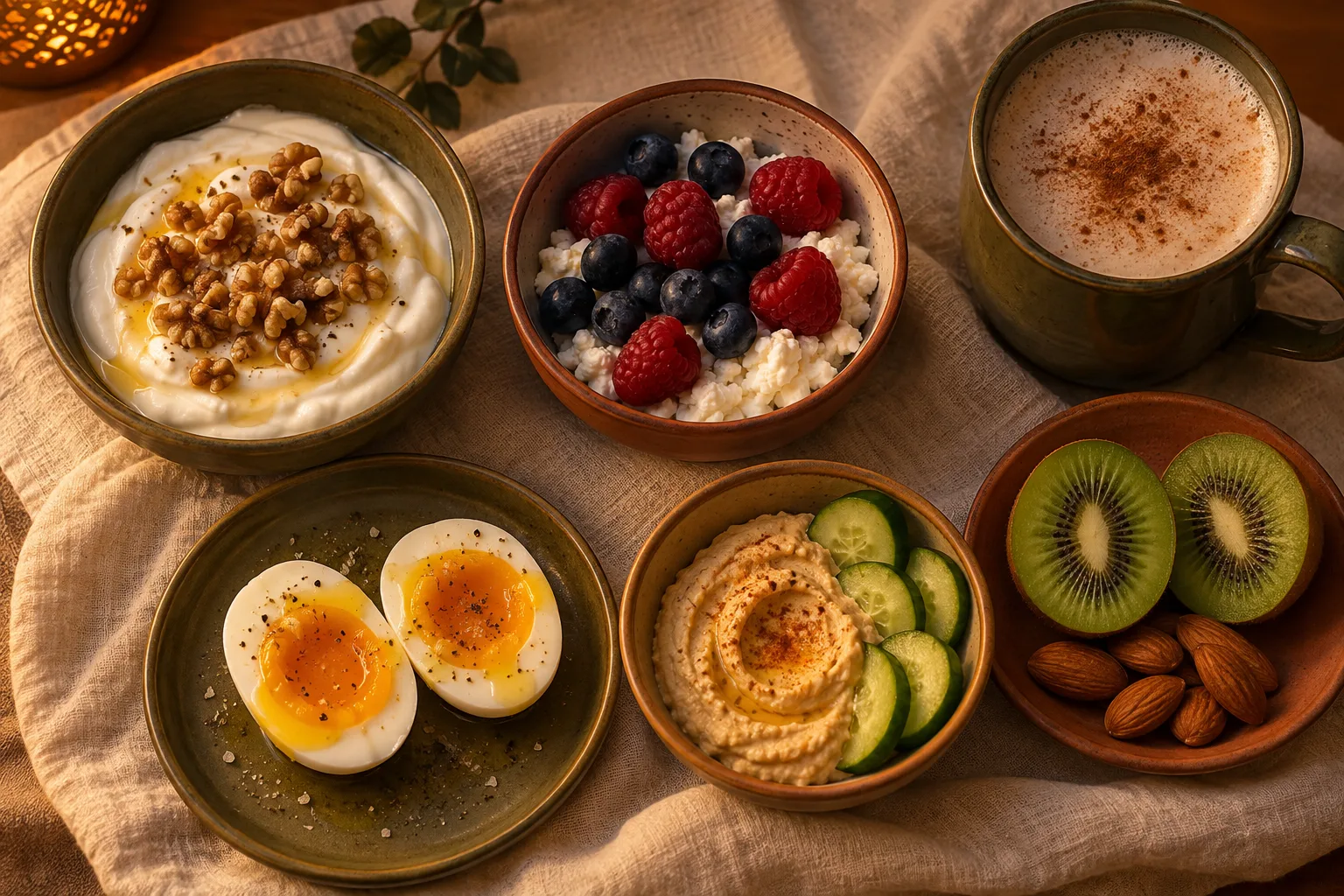
Quick combinations that hit all three:
- Greek yogurt + berries + walnuts (protein, fiber, fat)
- Eggs + spinach + avocado on whole grain toast (all four boxes)
- Lentil soup + olive oil + greens (protein/fiber together, plus fat)
- Salmon + quinoa + roasted vegetables + olive oil (textbook Mediterranean plate)
- Hummus + vegetables + olive oil drizzle (snack version that actually fills)
This is the Balanced Plate Method in food form. The 12 foods above slot perfectly into the framework.
→ Related: The Balanced Plate Method
Foods that DON’T keep you full (even though they pretend to)
While we’re here, let me tell you what the wellness industry sells as “healthy” that actually sabotages your fullness:
Sugar-free granola bars. Most are sweetened with sugar alcohols that cause cravings.
Smoothie bowls topped with fruit. Usually 60+ grams of sugar in one serving, spike and crash.
Rice cakes. Pure refined carb. You’ll be hungry in 30 minutes.
Fat-free yogurt with fruit on the bottom. Sugar plus removed fat = the worst of both worlds.
Low-fat anything. Removing fat removes the satiety mechanism. The “fat-free” trend was one of the most damaging nutrition movements of the last 50 years.
Most “healthy” cereals. Even the ones marketed as fiber-rich spike blood sugar fast.
Fruit juice and smoothies. Concentrated sugar without the fiber that’s supposed to slow it down.
These foods get marketed as healthy because they have low calorie counts on the label. But low-calorie doesn’t mean filling. And foods that don’t fill you up just mean you eat more later.
Mediterranean Food List for Fullness, by Category
Use this as a quick shopping guide. Build each meal by picking one food from the first three rows, then add a smart carb if you want one.
| Category | Best choices | Simple portion |
|---|---|---|
| Protein (start here) | Greek yogurt, eggs, chicken, salmon, tuna, sardines, shrimp, cottage cheese, lentils, chickpeas | A palm-size piece, 1 cup yogurt, or 2 to 3 eggs |
| Fiber | Beans, lentils, leafy greens, broccoli, zucchini, eggplant, tomatoes, berries, chia seeds | Half the plate in vegetables, or ½ cup beans |
| Healthy fat | Olive oil, olives, walnuts, almonds, avocado, tahini, feta | 1 tbsp oil or a small handful of nuts |
| Smart carbs | Farro, bulgur, quinoa, oats, whole grain bread, sweet potato | About ½ cup cooked, or 1 slice |
| Limit | White bread on its own, pastries, sweet drinks, chips, most granola bars | Fine sometimes, never as the whole meal |
Free printable
Hungry again at 9pm?
Get the free printable Night Hunger Snack List: 10 Mediterranean snacks with exact portions and protein counts, for the evenings when cravings hit. Enter your email and download it instantly.
Free. No spam. Unsubscribe anytime.
Frequently Asked Questions
What is the most filling Mediterranean food? Lentils probably win the title, 18 grams of protein and 16 grams of fiber in a single cup, which is unmatched in almost any other single food. Eggs are a close second for breakfast specifically, given the satiety research on them.
How many of these foods do I need to eat to feel full? You don’t need all 12. Build each meal around 3-5 of them, at minimum, one protein source, one fiber source, and one healthy fat. That combination alone will dramatically improve how long meals keep you full.
Are nuts and avocado okay if I’m trying to lose weight? Yes. The “high-fat foods make you fat” idea has been debunked for years. Mediterranean populations consume more fat than most American diets and have lower obesity rates. The fat in nuts and avocado actually helps with weight management by extending fullness, just keep portions reasonable.
What’s the cheapest filling Mediterranean food? Lentils, beans, and eggs. All three are inexpensive, shelf-stable (or long-lasting), and incredibly filling. Canned sardines are also extremely cheap and one of the most nutrient-dense foods on the list.
How long until these foods make a difference? Most people notice within 3-5 days of consistently building meals around these foods. Hunger between meals quiets down. Energy stabilizes. Cravings reduce. Body composition changes show up around week 4 to 6 if that’s a goal.
Can I eat these foods if I’m vegetarian or vegan? Yes, most of these foods are plant-based already. Eggs, Greek yogurt, and fish are the only animal products on the list. Vegetarians can use all 9 of the others. Vegans can build complete meals around lentils, beans, chickpeas, nuts, whole grains, leafy greens, avocado, olive oil, and berries.
Look at this list one more time. Eggs. Greek yogurt. Salmon. Lentils. Chickpeas. Olive oil. Nuts. Greens. Whole grains. Berries. Avocado. Beans.
These aren’t expensive. They’re not rare. They don’t require an app. They’re the kind of food my abuela in DR has been cooking for 70 years and calling “lunch.”
The wellness industry has spent decades trying to convince you that fullness requires something complicated, protein powders, meal replacement shakes, special supplements, $97 programs. Meanwhile real food has been doing it the whole time.
Build your meals around these 12 foods. Combine them with the Balanced Plate Method. Watch what happens to your hunger, your energy, your cravings.
You’re not going to need a powder.
Want a done-for-you Mediterranean meal plan using these exact foods? The 3-Day Hunger Reset gives you breakfast, lunch, and dinner formulas built around the most filling Mediterranean staples, completely free. Grab it and start tomorrow.
If you run regularly, the same foods that keep you full also fuel performance. Mediterranean Diet for Runners: The Complete Fuel and Recovery Guide
About Ribert Rodriguez
Ribert is the founder of EnergiSource Wellness. He researches and writes every article on this site personally, cross-checking claims against published research rather than relying on generic wellness advice. His approach is rooted in the Mediterranean framework, built from years of testing meal structures on himself after struggling with cravings, late-night eating, and low energy.