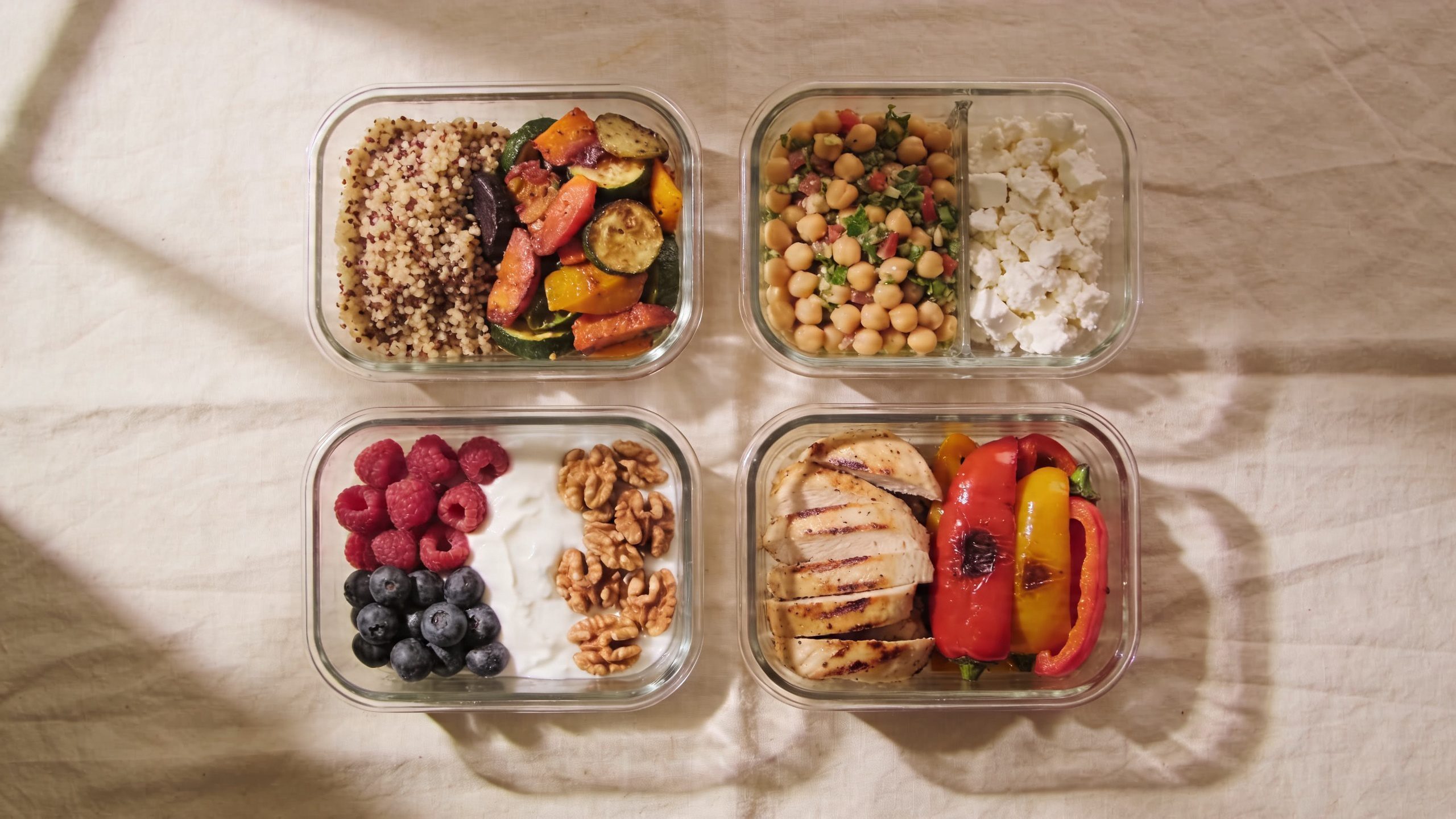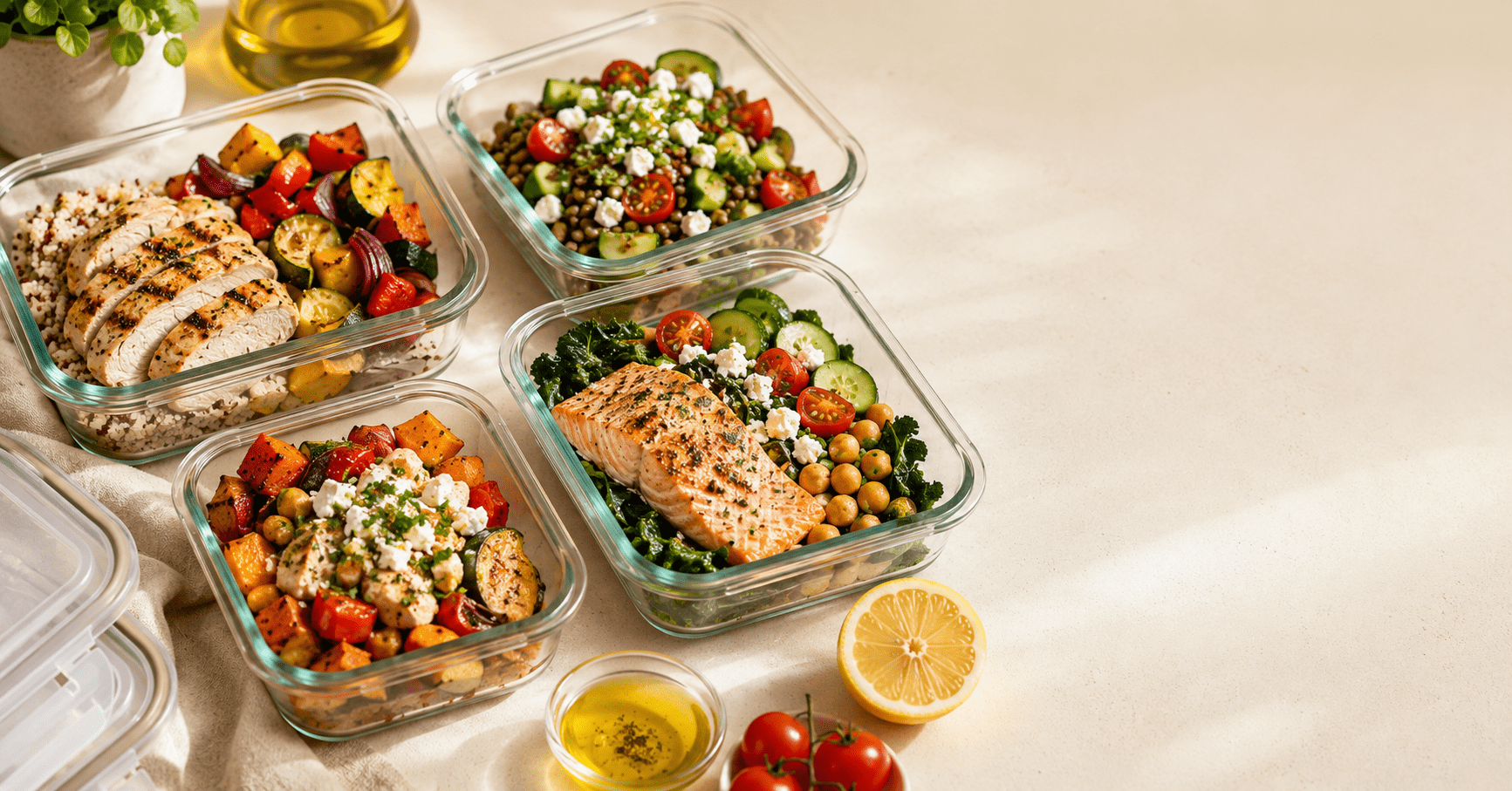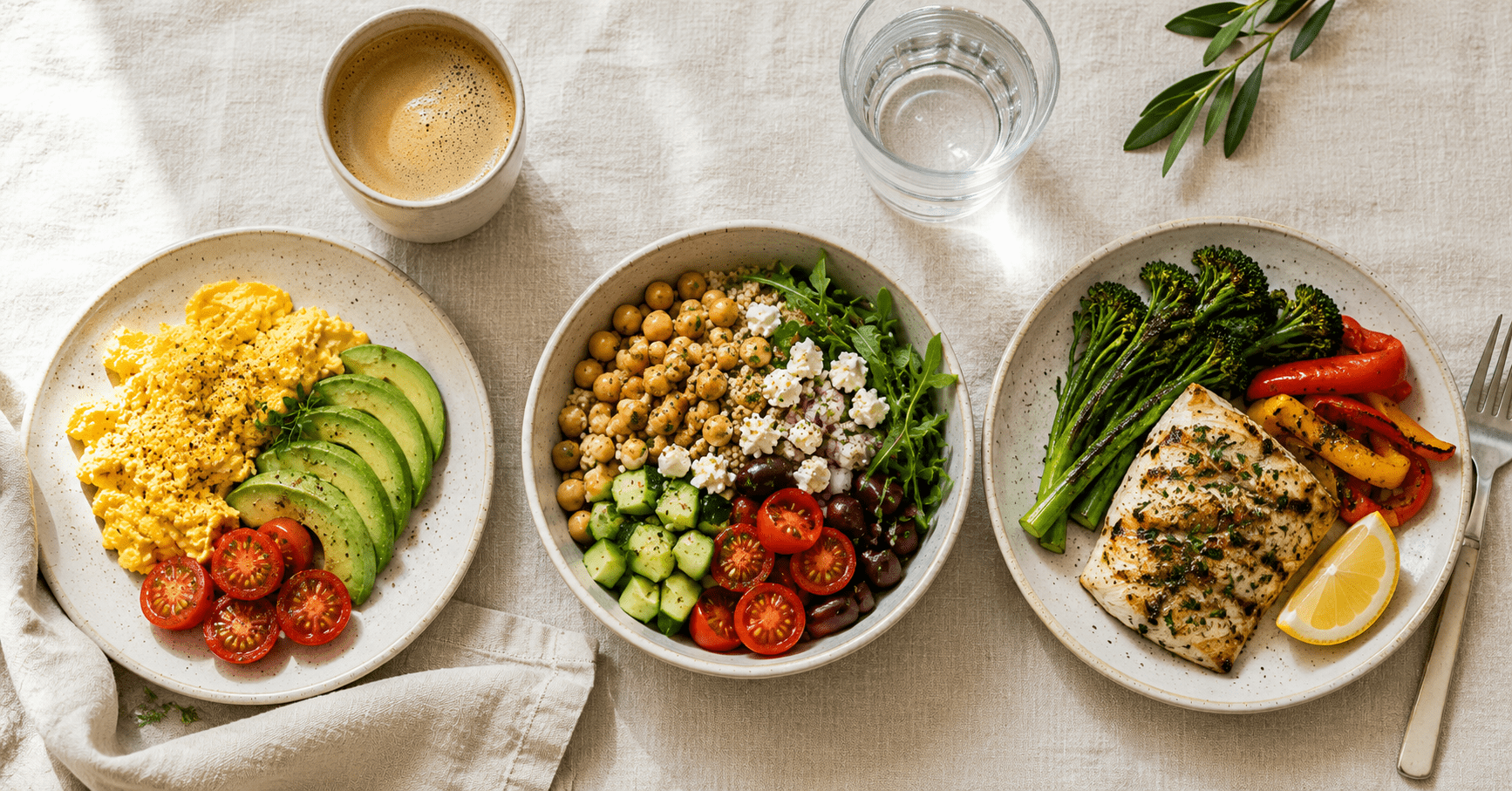
A full day of eating on the Mediterranean diet follows the protein-fiber-fat formula at every meal: a savory high protein breakfast, a big bowl lunch with legumes and olive oil, a light grilled dinner, and one intentional snack. The goal is steady energy and real fullness, not restriction or calorie counting. Below is my actual day, plate by plate, with what each choice is doing and why.
I see a lot of what I eat in a day content online and most of it falls into one of two categories. Either it is barely 900 calories total and framed as aspirational, or it is technically Mediterranean ingredients but structured in a way that would leave anyone hungry by 10am.
This is not that. This is what I actually eat on a normal weekday, written down honestly, with the reasoning behind each choice. No portion is hidden. No meal is skipped for the camera. The aesthetic is real because the food is real, not because anything was minimized.
A lot of food content online gets the visual part right. Simple plates, natural light, real ingredients, nothing overly processed. What it usually misses is the substance underneath. A beautiful bowl that leaves you hungry in an hour is not actually a complete meal, it just looks good in a photo. The version below is both: real food that looks good and actually holds you.
Morning: water, movement, then food
Before any food, I drink a full glass of water with a pinch of salt. This is a small habit but it matters more than people expect. After 7 to 8 hours without water, your body is mildly dehydrated, and dehydration on its own can mimic hunger signals. Starting the day rehydrated means the first hunger signal I feel later is an actual hunger signal, not a thirst signal mislabeled as hunger.
Coffee comes about 90 minutes after waking, not immediately. This is intentional. Cortisol is naturally highest in the first hour after waking. Adding caffeine on top of that peak can increase anxiety and create a sharper crash later. Waiting lets cortisol begin its natural decline first, so the caffeine boost lands on a calmer baseline.
Some mornings I add warm water with lemon, a small amount of raw apple cider vinegar with the mother, and a touch of honey before coffee. This is not a magic fat-burning ritual. It is simply a habit that helps me feel awake and ready before I eat, and the slight acidity seems to support digestion later in the morning.
Breakfast: the savory plate that sets the whole day
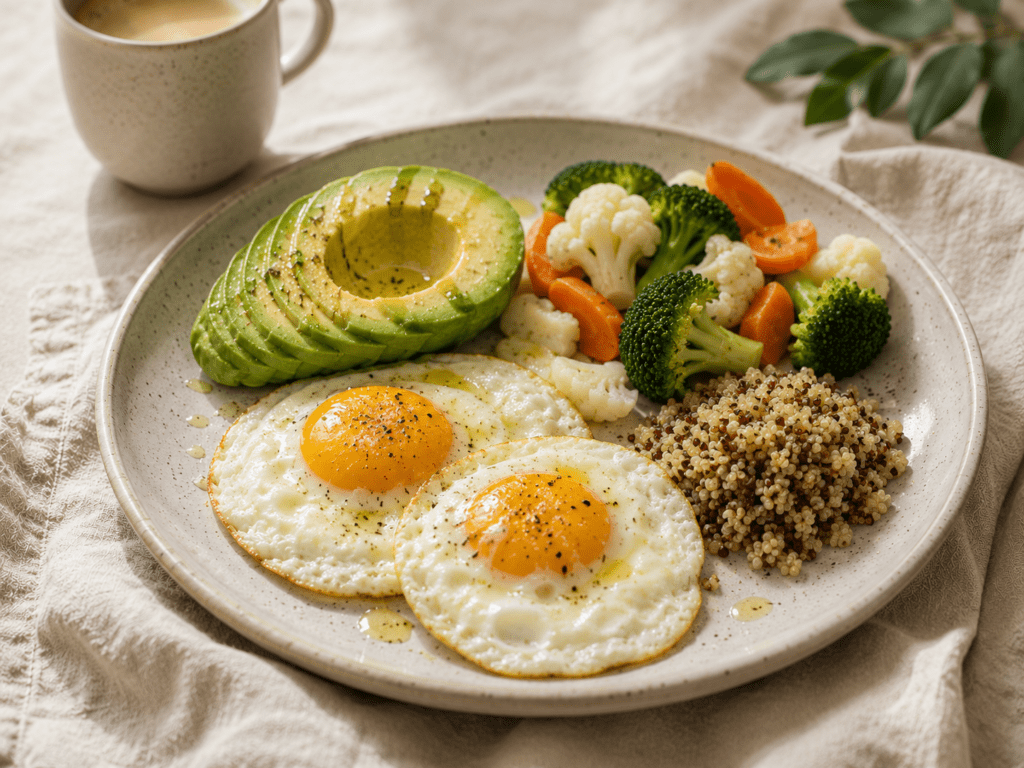
This is the single most important meal of the day for how the rest of my day goes, and it is savory, not sweet. Why breakfast doesn’t keep you full covers why sweet breakfasts, even healthy-sounding ones with fruit and honey, tend to spike and crash blood sugar in a way that triggers hunger again within two hours.
What’s on the plate:
• Two eggs, scrambled or fried in olive oil
• Half an avocado, sliced
• A handful of steamed mixed frozen vegetables (whatever is in the freezer, usually broccoli, peppers, and onions)
• A small portion of leftover quinoa or sweet potato from the night before
• Salt, black pepper, and a drizzle of olive oil over everything
This plate gets me to around 20 to 25 grams of protein before 9am, which is the number that matters most. Protein in the morning helps lower ghrelin, the hormone that signals hunger, for several hours. The olive oil and avocado add the fat that slows everything down further. I use Atlas olive oil on almost everything, it has become the one ingredient I notice if I run out of.
I noticed something the first week I switched from a sweet breakfast (overnight oats with fruit and honey) to this savory plate. By 10am on the old breakfast I was already thinking about my next snack. On this plate, 10am comes and goes without me noticing. That single observation is what convinced me the meal structure mattered more than the specific foods. For mornings when I want something sweet, high protein overnight oats with chia seeds is the version that still hits the protein number.
Mid-morning: nothing, and that is the point
There is no mid-morning snack. Not because snacking is bad, but because the breakfast plate above genuinely holds until lunch. This is the part that surprises people most when they try this structure. The absence of a 10am or 11am snack is not willpower, it is just not needed.
If I do feel a dip around 11am, which happens occasionally on days I slept poorly, I have a small handful of walnuts or a square of dark chocolate. But most days this slot is simply empty, and that emptiness is the signal that the breakfast structure is working.
Lunch: the big bowl
Lunch is built around a base of legumes, a vegetable component, a protein, and a fat, all in one bowl. This is the meal that most benefits from batch prep because the components can be made once and reassembled differently throughout the week.
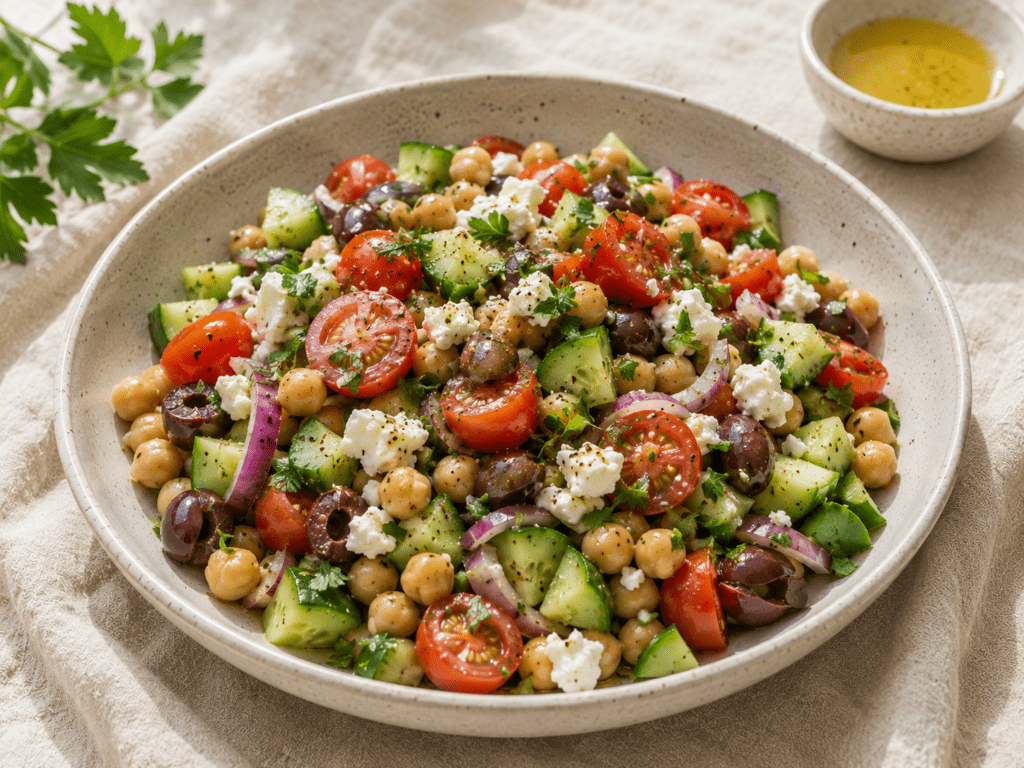
What’s on the plate:
• A base of chickpeas or white beans (about a cup)
• Cucumber, cherry tomatoes, and red onion, diced
• Crumbled feta
• A handful of olives
• Olive oil and lemon juice, generous amounts of both
• Fresh herbs if I have them, usually parsley
This bowl alone provides around 18 to 20 grams of protein from the legumes and feta combined, plus close to 12 grams of fiber from the chickpeas. The combination of fiber and fat slows digestion enough that this single bowl holds me through the afternoon, which is the window most people I talk to describe as their worst hour for cravings. The balanced plate method is the underlying formula behind every version of this lunch, swap the legume, swap the vegetables, swap the protein, the structure stays the same.
What nobody tells you about lunch specifically is that the timing matters almost as much as the content. Eating lunch too late, after 2pm, tends to push dinner later and compress the evening, which is when cravings become harder to manage. I try to eat lunch between 12 and 1pm specifically because it gives enough runway before dinner that I am not starving by 6pm.
Mid-afternoon: the one intentional snack
Around 3 to 4pm I have one snack, and it is almost always sardines on whole grain crackers. This has become a signature for me at this point, partly because it works so consistently and partly because it is the snack people are most surprised by when I mention it.
What’s on the plate:
• A small tin of sardines (in olive oil, not water)
• Two or three whole grain crackers
• A squeeze of lemon and black pepper
Sardines provide around 20 grams of protein and a meaningful dose of omega-3 fatty acids in a small package. I use Wild Planet sardines specifically because the quality difference between sardine brands is noticeable, and Wasa whole grain crackers for the cracker since they have actual fiber content unlike most cracker brands.
This snack timing matters because 3 to 4pm is when most people experience the steepest energy dip and the strongest pull toward something sweet from a vending machine or office kitchen. Having a planned protein-forward snack at this exact window removes the decision entirely. There is nothing to decide because the plan already accounted for this moment.
Dinner: light, grilled, and earlier than you’d think
Dinner in this structure is intentionally lighter than people expect from a full day of eating. Because breakfast and lunch were both substantial, dinner does not need to be the largest meal. It typically becomes grilled or roasted protein with vegetables and a small portion of a complex carb.
What’s on the plate:
• A grilled or pan-seared piece of fish or chicken (4 to 6 ounces)
• A generous portion of roasted or steamed vegetables, usually whatever needs to be used up
• A small portion of quinoa or sweet potato (often prepped extra for tomorrow’s breakfast)
• Olive oil and lemon to finish
Dinner happens earlier than a lot of people eat, usually between 6 and 7pm. Eating dinner earlier gives more time between the last meal and sleep, which research consistently links to better sleep quality and less likelihood of late-night snacking. The earlier dinner is, the more naturally the evening unwinds without a food component attached to it.
Evening: no food, just wind-down
After dinner, the kitchen is closed. This was not always the case for me. The 11pm doughnut habit I have written about before lived in exactly this window, the hours between dinner and sleep where there is nothing to do and the brain looks for stimulation.
What replaced the late-night eating was not willpower, it was simply having something else to do. For me that has been building this website. Boredom finds an outlet one way or another, and for years mine was food. Now it is something else. If your evenings feel long and food-focused, the guide to nighttime hunger covers both the food side and this behavioral side in more depth.
On nights I do want something, it is herbal tea or a small square of dark chocolate. Both are small enough that they do not become a second dinner, and both signal to my brain that the eating day is winding down rather than continuing.
>> Want to build your own version of this day?
The Full Plate Method app builds any meal using the same protein-fiber-fat formula behind every plate in this article. Free forever, any cuisine. Build your day free
The day in numbers (without making it about numbers)
I do not track calories and I am not going to pretend the numbers below came from an app. But for context, here is roughly what this day provides, estimated from the ingredients above.
• Total protein: approximately 90 to 100 grams across the day, hit without any deliberate tracking
• Fiber: high throughout, primarily from legumes, vegetables, and whole grains
• Added sugar: effectively zero, the only sweetness comes from a small amount of honey occasionally and dark chocolate in the evening
• Meals: three, plus one planned snack, no grazing
The protein number is the one I would point to if someone wanted a single metric to aim for. Hitting close to 100 grams of protein across the day, spread across three meals plus a snack, is the structural backbone that makes everything else, the fullness, the steady energy, the absence of cravings, fall into place without additional effort.
Why this looks different from typical Mediterranean content
Most Mediterranean diet content you find online, including the official sample menus from health organizations, tends to be lighter on protein than what is described here. A typical sample menu might have two ounces of salmon at lunch and call it complete. That amount of protein on its own is not enough to drive the satiety effect that makes this way of eating sustainable.
The version in this article is still entirely Mediterranean in its ingredients, olive oil, legumes, fish, vegetables, whole grains, but it is structured with portion sizes and protein targets that are higher than the traditional sample menus typically show. This is the adaptation that makes the Mediterranean framework work specifically for the hunger and cravings problem, rather than just the general health benefits it is usually associated with.
What nobody tells you about most Mediterranean content online is that it was written for cardiovascular health outcomes, not for satiety. Those are different goals that happen to share many of the same foods, but the portion sizes and protein emphasis that work for one do not automatically work for the other.
Frequently asked questions
What does a typical Mediterranean diet day look like?
A Mediterranean diet day typically includes a breakfast with eggs or yogurt and healthy fats, a substantial lunch built around legumes, vegetables, and olive oil, a lighter dinner with grilled fish or poultry and vegetables, and minimal processed food or added sugar throughout. The version in this article emphasizes higher protein at each meal than traditional sample menus to support fullness and stable energy specifically.
Can men and women both follow this same structure?
Yes. The protein-fiber-fat formula and meal structure in this article are not gender-specific. Calorie needs vary by individual based on body size, activity level, and goals, so someone with higher energy needs might simply increase portion sizes within the same structure, larger servings of the same foods rather than different foods entirely. The framework, savory high protein breakfast, big bowl lunch, planned afternoon snack, light early dinner, works the same way for anyone.
How much protein should be in a Mediterranean breakfast?
Aim for 20 to 25 grams of protein at breakfast to meaningfully suppress hunger hormones for several hours. Two eggs provide about 12 to 14 grams, so pairing eggs with Greek yogurt, a side of cottage cheese, or a protein smoothie helps reach this target. Traditional Mediterranean breakfasts are often lighter than this, so this is one of the more significant adaptations for the hunger and cravings focus.
Why is the snack sardines specifically?
Sardines provide a dense combination of protein, omega-3 fatty acids, and calcium in a small, shelf-stable package that requires no preparation. For an afternoon snack window where convenience matters most, few foods offer this much nutritional density with this little effort. The strong flavor is also part of the appeal for some people, it feels more like a real food than a processed snack bar.
What time should dinner be on this kind of eating pattern?
Earlier than most people currently eat, ideally between 6 and 7pm. Eating dinner earlier creates more separation between the last meal and bedtime, which is associated with better sleep quality and reduced likelihood of late-night snacking. If dinner currently happens at 8pm or later, shifting it even 30 to 60 minutes earlier is a meaningful change on its own.
The bottom line
This is not a special day. It is the day I have most often, written down honestly. Nothing here required willpower in the moment because the structure was decided in advance, savory protein-forward breakfast, big bowl lunch, planned afternoon snack, light early dinner.
If you want to try this structure for yourself, start with just the breakfast. Swap whatever you currently eat in the morning for the savory plate described above for three days and notice what happens to your 10am and 11am. That single change is usually enough to feel the difference the whole structure is built on.
I used to think clean eating meant smaller portions and more discipline. It turns out it just meant better structure. The portions in this article are not small, and the discipline required is mostly just deciding once instead of deciding three times a day.
Ribert
>> Want this exact structure for 7 full days?
The 7-Day Mediterranean Meal Plan PDF gives you 28 meals and snacks built on this same formula, plus a complete grocery list. $17, instant download. Get the 7-Day Mediterranean Meal Plan for $17
Free printable
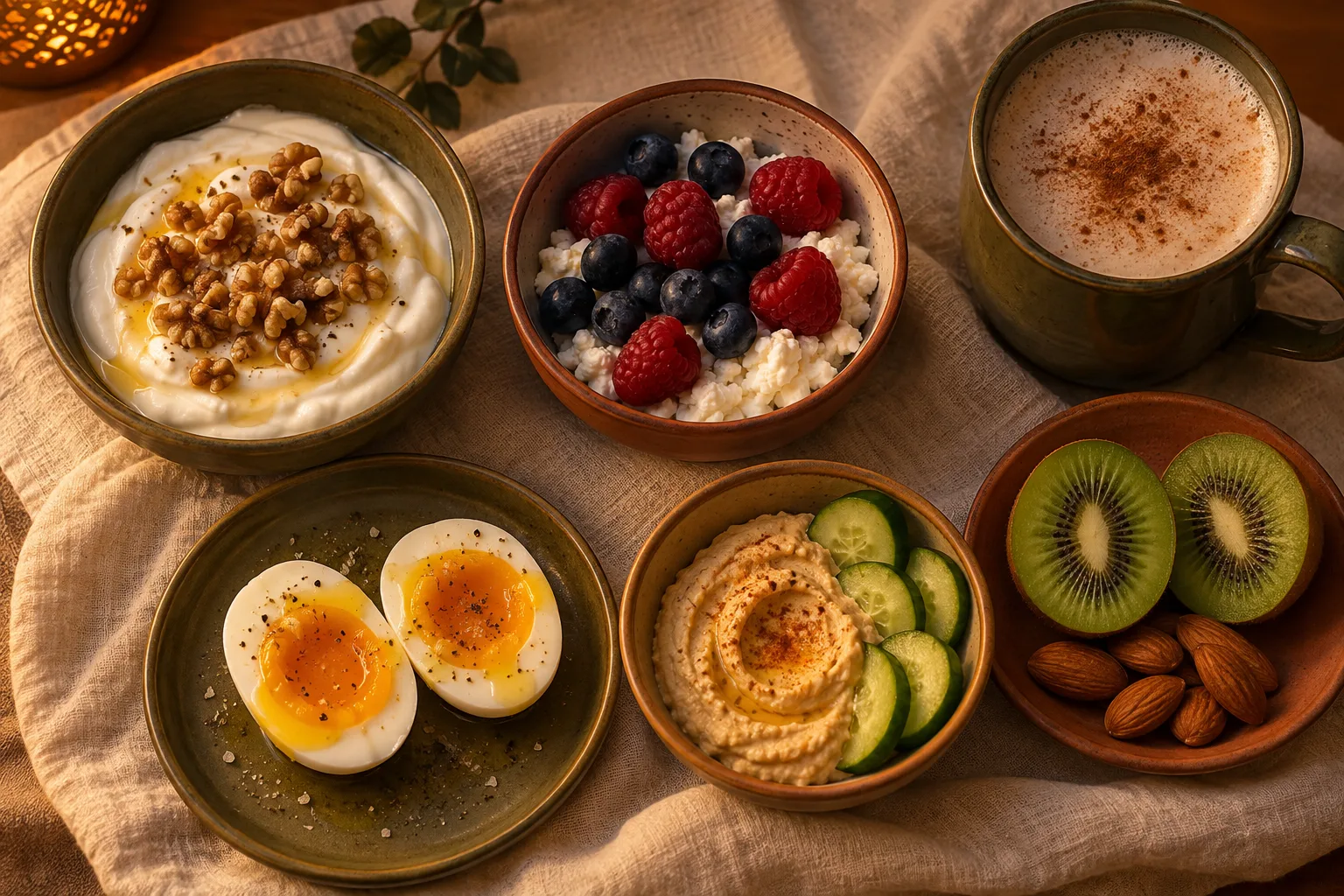
Hungry again at 9pm?
Get the free printable Night Hunger Snack List: 10 Mediterranean snacks with exact portions and protein counts, for the evenings when cravings hit. Enter your email and download it instantly.
Free. No spam. Unsubscribe anytime.
Keep reading
Mediterranean Breakfast Ideas for Steady Energy
Why Breakfast Doesn’t Keep You Full
What to Eat When Hungry at Night
This article shares personal experience and general nutrition information, not medical advice.
About Ribert Rodriguez
Ribert is the founder of EnergiSource Wellness. He built this site to share what actually worked for him after years of struggling with cravings, late-night eating, and low energy. His approach is rooted in the Mediterranean framework and a belief that food is one of the most powerful tools for how you think and feel.