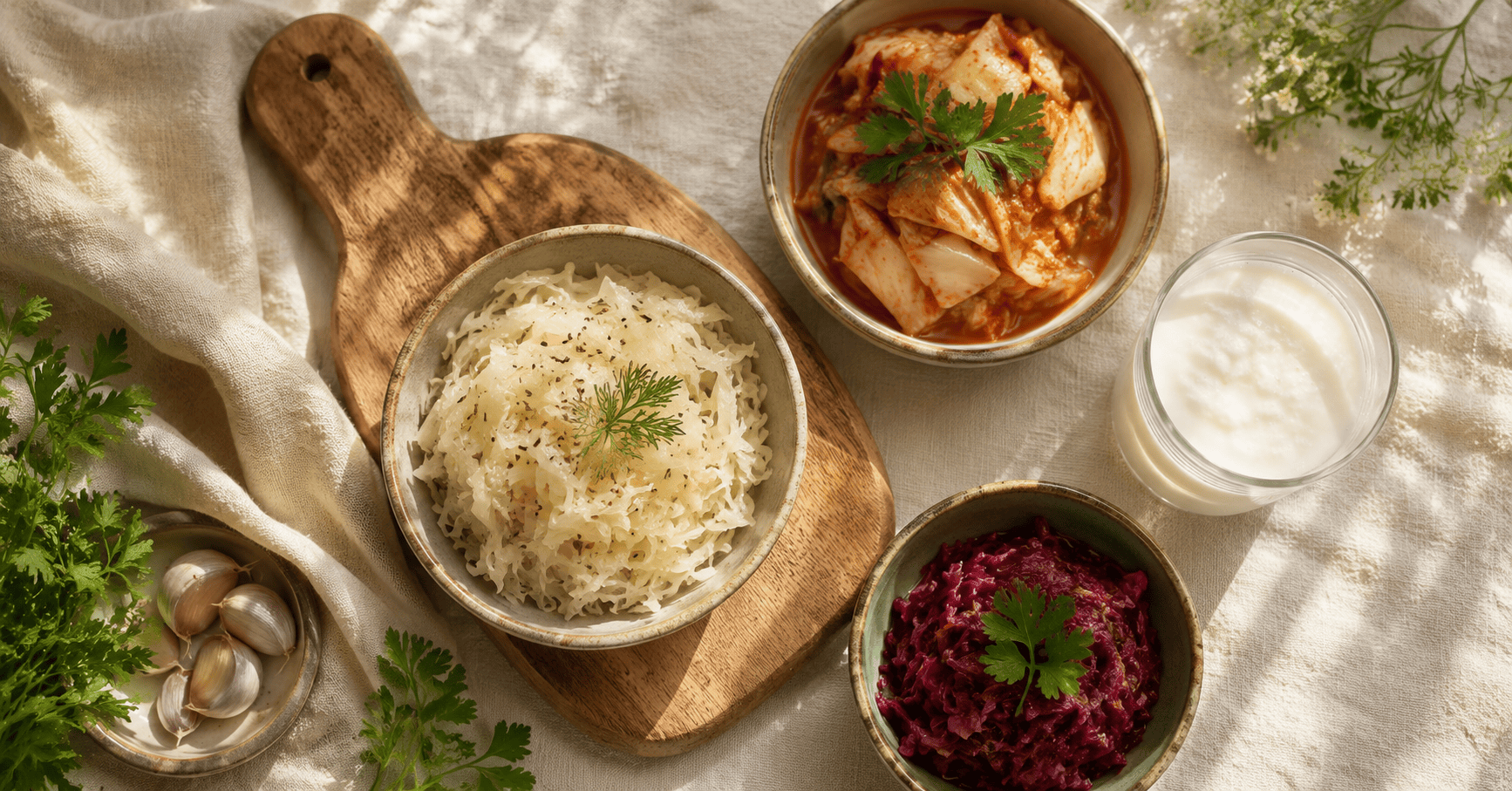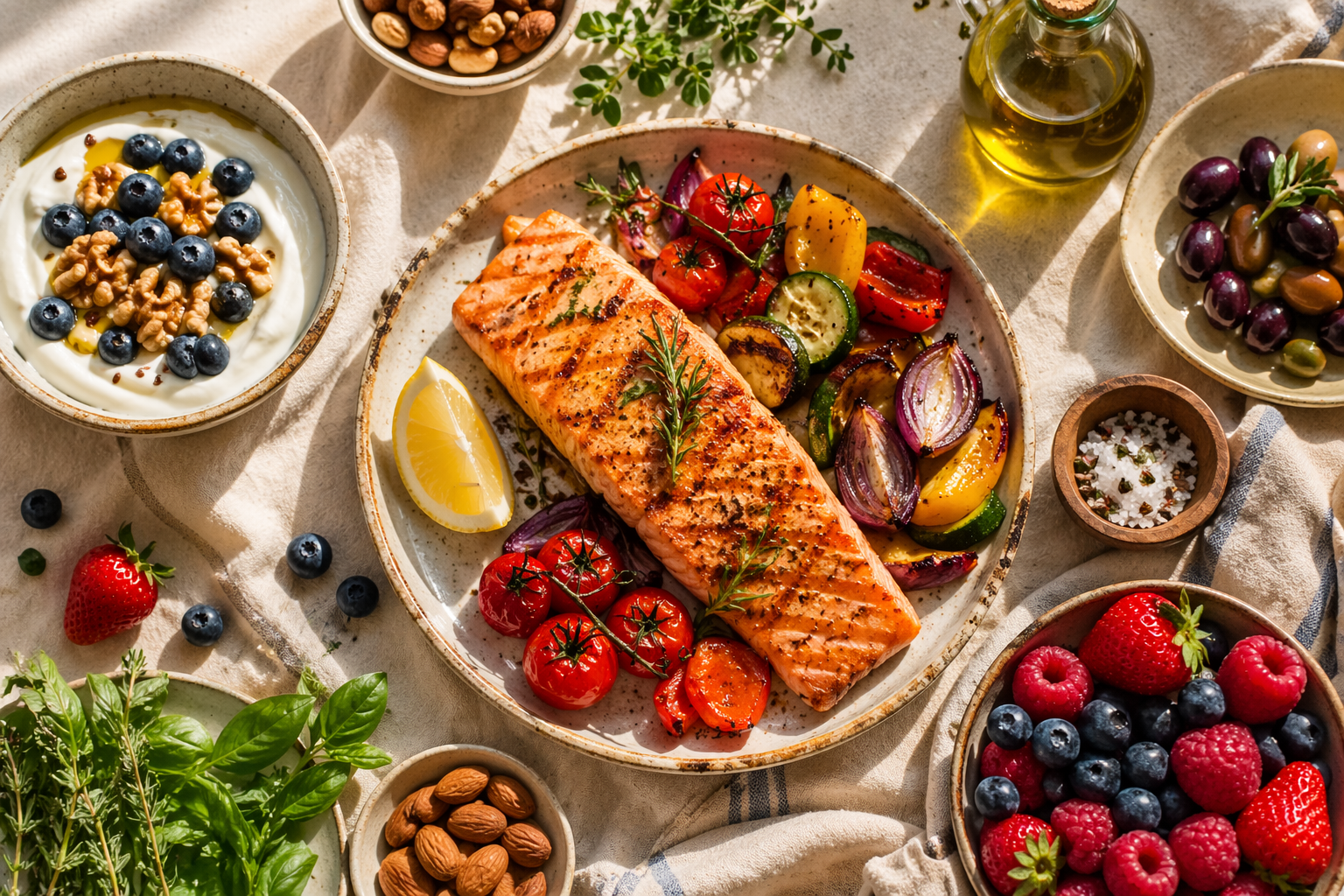
The most effective anti-inflammatory eating pattern is Mediterranean-style: olive oil, fatty fish, vegetables, and legumes replacing refined carbs, processed oils, and added sugar, not a restrictive “anti-inflammation diet” with a rigid food list.
Chronic inflammation is behind almost every health complaint your doctor can’t quite explain. The fatigue coffee doesn’t fix, the bloating that shows up whether you eat well or not, the joint stiffness that appears out of nowhere. None of these feel connected. They almost always are.
Chronic inflammation is behind almost every health complaint your doctor can’t quite explain.
The fatigue that coffee doesn’t fix. The bloating that shows up whether you eat well or not. The skin that stays irritated no matter what you put on it. The joint stiffness that appears out of nowhere. The weight that stays put regardless of how carefully you eat.
None of these feel connected. But they almost always are.
Inflammation is your body’s alarm system. When it fires correctly, in response to an injury or infection, it’s protective. When it fires constantly in the background, triggered by food, stress, and lifestyle, it becomes the quiet force behind dozens of symptoms that seem unrelated but share the same root cause.
The frustrating part is that most people treat each symptom separately. Antacids for the bloating. Ibuprofen for the joint pain. Topical creams for the skin. Caffeine for the fatigue.
None of those fix the source.
The Mediterranean diet does, and the science behind why is surprisingly simple once you understand it.
What Is Chronic Inflammation and Why Does It Keep Happening
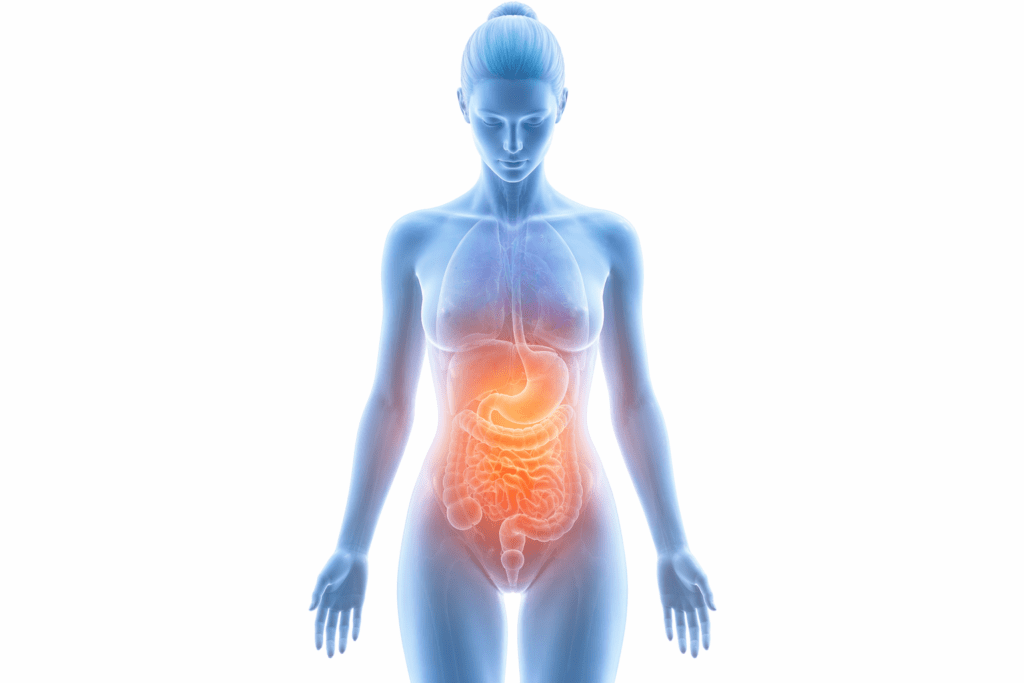
Acute inflammation is healthy. When you cut your finger, your immune system sends a rush of blood and healing cells to the area. The redness, swelling, and warmth you see is inflammation doing exactly what it’s supposed to do. It resolves within days.
Chronic inflammation is completely different. It’s low-grade, persistent, and largely invisible. There’s no visible swelling or redness, just a constant low-level immune response running in the background, quietly damaging tissues and disrupting normal body processes over months and years.
What triggers it?
The four biggest drivers of chronic inflammation are diet, stress, sleep deprivation, and sedentary behavior. Of these, diet is the most controllable, and the one that creates the fastest measurable change when addressed.
Specifically, diets high in refined carbohydrates, processed seed oils, added sugars, and ultra-processed foods consistently elevate inflammatory markers in the blood. Studies measuring C-reactive protein, the most common blood marker for inflammation, show significantly higher levels in people eating Western-style diets compared to those eating Mediterranean-style diets.
This is not a small difference. It’s one of the most consistently replicated findings in nutrition science.
Why the Mediterranean Diet Is the Most Anti-Inflammatory Diet on the Planet
One of the clearest mechanisms behind this comes down to olive oil, the foundation of the Mediterranean diet. A 2023 review in the journal Antioxidants found that oleocanthal, a compound naturally present in extra virgin olive oil, works similarly to a natural anti-inflammatory by suppressing the same enzymes some anti-inflammatory medications target. That single mechanism helps explain why Mediterranean-style eating is consistently linked to lower inflammatory markers and a reduced risk of the chronic conditions inflammation drives over time, including heart disease and type 2 diabetes.
The reason isn’t one magic ingredient. It’s the combination.
Mediterranean eating naturally emphasizes the foods that calm inflammation and naturally eliminates the foods that cause it. Not through restriction, through replacement. You’re not removing things from your diet. You’re crowding out inflammatory foods with anti-inflammatory ones.
The result is a diet that your immune system recognizes as safe and supportive rather than threatening, and the chronic alarm response gradually quiets.
For a full breakdown of how Mediterranean meals are structured to support your body, read: The Balanced Mediterranean Meal Formula for Stable Energy and Fullness
The 8 Most Powerful Anti-Inflammatory Foods in the Mediterranean Diet
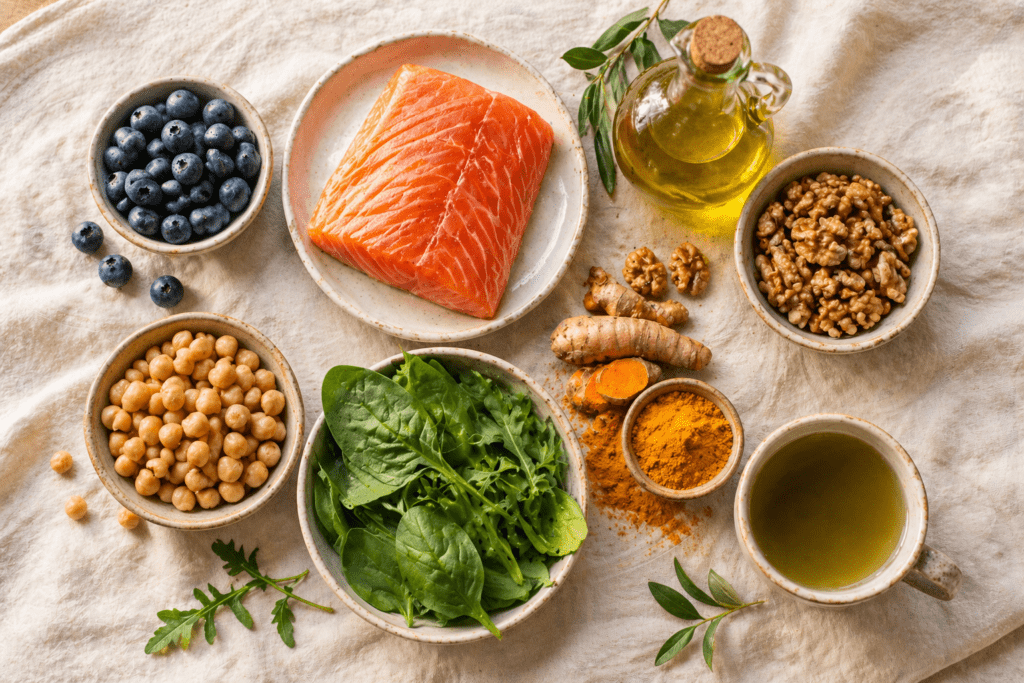
These are the specific foods that drive the anti-inflammatory effect of Mediterranean eating. Each one has a direct mechanism, a specific way it reduces inflammatory markers in the body.
1. Extra Virgin Olive Oil
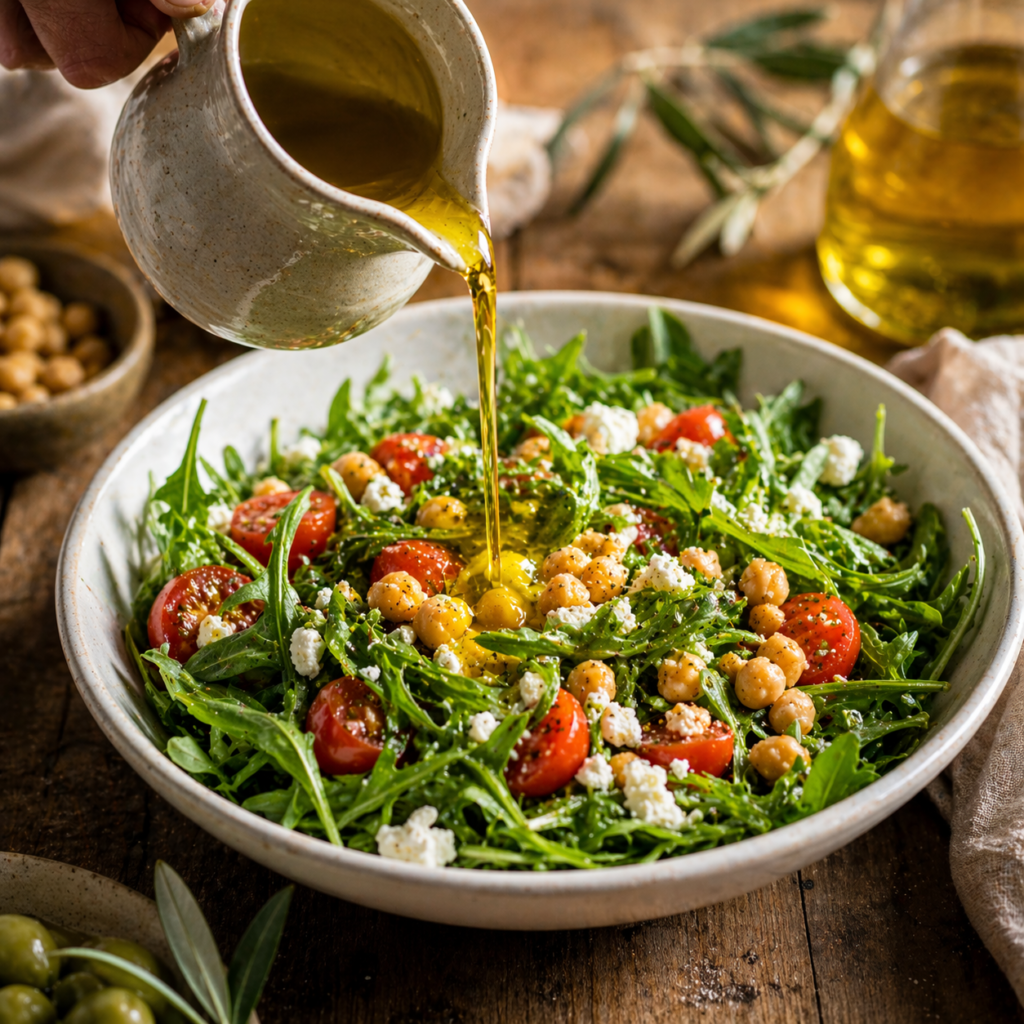
Extra virgin olive oil contains a compound called oleocanthal that works through the same pathway as ibuprofen, directly inhibiting the inflammatory enzymes COX-1 and COX-2. Studies show that consistent daily olive oil consumption measurably reduces C-reactive protein levels within weeks.
This is why olive oil isn’t just a cooking fat in Mediterranean eating. It’s the foundation of the entire dietary pattern, used generously on vegetables, grains, proteins, and salads at every meal.
The key is extra virgin, refined olive oil loses the polyphenols responsible for the anti-inflammatory effect. Quality matters here. A cold-pressed extra virgin olive oil used daily is one of the single highest-impact dietary changes you can make for inflammation.
2. Fatty Fish (Salmon, Sardines, Mackerel)
Fatty fish are the richest dietary source of omega-3 fatty acids, specifically EPA and DHA, which are the most potent natural anti-inflammatory compounds found in food.
Omega-3s work by producing compounds called resolvins and protectins that actively resolve inflammation rather than just suppressing it. Regular consumption of fatty fish has been shown to reduce inflammatory markers including interleukin-6 and tumor necrosis factor, both key drivers of chronic inflammation.
Two to three servings per week is the Mediterranean standard. Canned sardines and salmon make this completely practical without requiring fresh fish at every meal.
For people who don’t eat fish regularly, a high-quality omega-3 supplement can provide meaningful anti-inflammatory support.
3. Leafy Greens and Colorful Vegetables
Dark leafy greens (spinach, arugula, kale, Swiss chard), are dense with polyphenols, flavonoids, and carotenoids that directly suppress inflammatory pathways. The more color on your plate, the broader the anti-inflammatory coverage.
Each color represents a different class of phytonutrient targeting a different inflammatory mechanism:
- Dark green: folate, magnesium, vitamin K, supports cellular repair
- Red and orange: lycopene, beta-carotene, reduces oxidative stress
- Purple: anthocyanins, directly inhibits inflammatory enzymes
- Yellow: lutein, zeaxanthin, protects against inflammatory damage
Half your plate being vegetables at every meal, the core Mediterranean plate structure, is what makes this effect cumulative and powerful over time.
4. Legumes (Chickpeas, Lentils, White Beans)
Legumes are one of the most underrated anti-inflammatory foods in the Mediterranean pantry. Their combination of fiber, plant protein, and polyphenols creates a triple anti-inflammatory effect.
Fiber feeds beneficial gut bacteria that produce short-chain fatty acids, compounds that directly reduce intestinal inflammation and strengthen the gut lining. A compromised gut lining is one of the primary drivers of systemic chronic inflammation, allowing inflammatory compounds to enter the bloodstream from the digestive tract.
Regular legume consumption is one of the most consistent predictors of low inflammatory markers across population studies.
5. Walnuts and Other Nuts
Walnuts are unique among nuts because they contain alpha-linolenic acid, a plant-based omega-3 that provides anti-inflammatory benefits similar to fatty fish. They also contain ellagic acid, a polyphenol that directly suppresses inflammatory signaling.
A small handful of walnuts daily (added to yogurt, salads, or eaten as a snack), is a simple consistent source of anti-inflammatory fat that fits naturally into the Mediterranean eating pattern.
Other nuts with meaningful anti-inflammatory properties include almonds (vitamin E, magnesium), pistachios (polyphenols), and Brazil nuts (selenium).
6. Berries
Berries contain some of the highest concentrations of anthocyanins of any food. The purple and red pigments that directly inhibit the same inflammatory pathways as common anti-inflammatory medications, but without the side effects.
Blueberries in particular have been studied extensively for their effect on oxidative stress and inflammatory markers. Regular consumption, even as little as half a cup daily, shows measurable reductions in C-reactive protein within weeks.
Fresh or frozen berries on Greek yogurt, in oatmeal, or as a standalone snack are the easiest way to integrate this consistently.
7. Turmeric and Ginger
Turmeric contains curcumin, one of the most studied natural anti-inflammatory compounds in existence. Curcumin inhibits NF-kB, a molecule that activates the genes responsible for inflammation. The challenge with turmeric is bioavailability, curcumin is poorly absorbed alone but becomes significantly more bioavailable when combined with black pepper (piperine).
Adding turmeric and black pepper to roasted vegetables, grain bowls, and soups is the practical Mediterranean approach. For people dealing with significant chronic inflammation, a turmeric and black pepper supplement provides a more concentrated therapeutic dose.
Ginger works through a similar mechanism, inhibiting inflammatory enzymes while also supporting gut health and reducing digestive inflammation specifically.
8. Green Tea and Herbal Teas
Green tea contains EGCG, a catechin with powerful anti-inflammatory and antioxidant properties. Regular green tea consumption consistently reduces inflammatory markers in clinical studies.
Traditional Mediterranean cultures drink herbal teas (chamomile, oregano, sage, thyme), as daily practice. These aren’t just pleasant beverages. Many Mediterranean herbs contain significant concentrations of anti-inflammatory polyphenols, particularly rosmarinic acid found in rosemary, oregano, and thyme.
Replacing one or two coffees per day with green tea or an herbal infusion is one of the simplest anti-inflammatory dietary upgrades available.
The Foods That Drive Inflammation, What to Reduce
Understanding what to add is half the picture. The other half is understanding what’s actively fueling the inflammation response.
Refined carbohydrates and added sugars are the most consistent dietary drivers of inflammation. They rapidly raise blood glucose, triggering an insulin response that activates inflammatory pathways. The spike-and-crash blood sugar pattern that drives constant hunger also drives constant low-grade inflammation simultaneously.
Processed seed oils (soybean oil, corn oil, sunflower oil, vegetable oil), are extremely high in omega-6 fatty acids. While omega-6 isn’t inherently inflammatory, the dramatically skewed ratio of omega-6 to omega-3 in modern Western diets (typically 15:1 to 20:1 versus the optimal 4:1) creates a pro-inflammatory environment at the cellular level.
Ultra-processed foods contain combinations of refined oils, sugars, artificial additives, and refined starches that activate multiple inflammatory pathways simultaneously. Regular consumption consistently elevates every major inflammatory marker.
Alcohol in excess disrupts gut barrier function, allowing inflammatory compounds to enter the bloodstream, and directly activates inflammatory immune cells in the liver.
The Mediterranean diet naturally replaces all of these. Olive oil replaces seed oils. Whole grains replace refined carbohydrates. Fresh whole foods replace ultra-processed ones. The shift doesn’t require elimination. It requires gradual replacement.
How Inflammation Connects to the Symptoms You’re Already Experiencing
This is where everything clicks together for most people.
Constant fatigue that coffee doesn’t fix, inflammatory cytokines directly suppress energy production at the cellular level and disrupt sleep quality, creating a cycle of exhaustion that worsens over time.
Bloating and digestive discomfort, intestinal inflammation compromises the gut lining and disrupts the microbiome balance that controls digestion. Mediterranean eating, specifically the fiber from legumes and vegetables, directly heals and maintains gut integrity.
Skin issues including rosacea, acne, and dryness, skin inflammation is almost always systemic inflammation made visible. The same inflammatory pathways driving internal symptoms appear on the skin. Omega-3 fatty acids, olive oil polyphenols, and antioxidant-rich vegetables all support skin health from the inside.
Weight that won’t move despite eating well, chronic inflammation directly interferes with insulin sensitivity and leptin signaling, the hormones that regulate fat storage and hunger. Reducing inflammation is often the missing piece for people who are eating well and exercising but not seeing results.
Joint stiffness and body aches, inflammatory compounds accumulate in joint tissue over time, causing the morning stiffness and unexplained aches that feel like aging but are actually diet-driven.
For a deeper look at how blood sugar and inflammation connect to constant hunger, read: How to Balance Blood Sugar to Stop Hunger and Cravings
A Simple Anti-Inflammatory Day of Eating
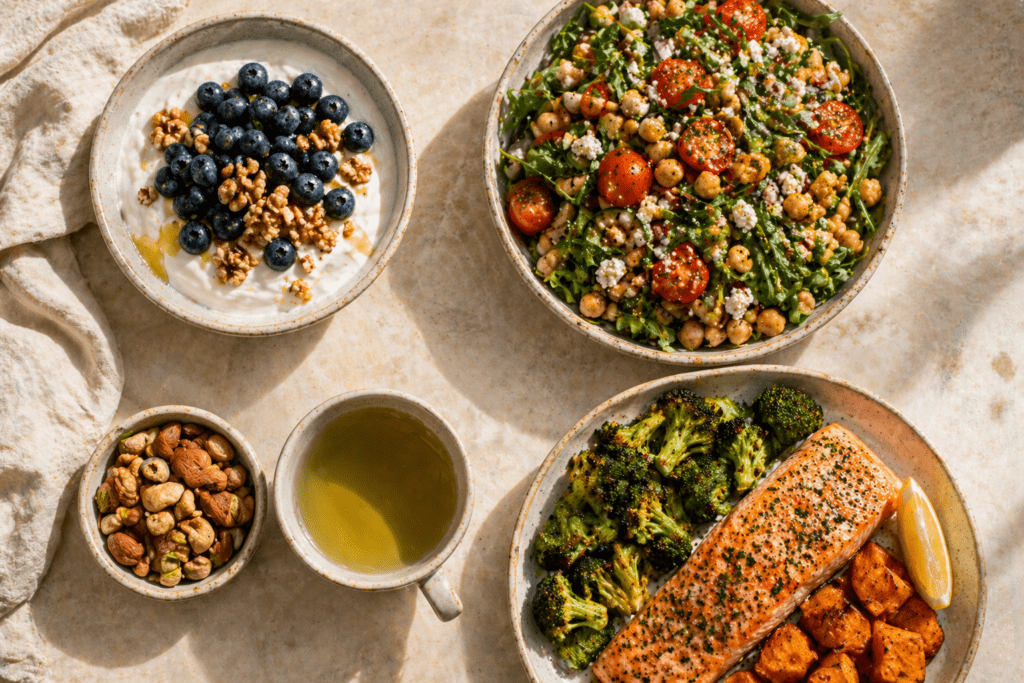
This is what a full day looks like when built around the Mediterranean anti-inflammatory formula, no complicated recipes, no unusual ingredients, just real food assembled simply.
Breakfast: Greek yogurt with fresh blueberries, walnuts, and a sprinkle of ground flaxseed (Anti-inflammatory drivers: probiotics from yogurt, anthocyanins from berries, omega-3 from walnuts and flaxseed)
Lunch: Large salad with arugula, chickpeas, cucumber, cherry tomatoes, red onion, olive oil and lemon dressing, fresh herbs (Anti-inflammatory drivers: polyphenols from arugula, fiber from chickpeas, oleocanthal from olive oil)
Snack: Small handful of mixed nuts and a cup of green tea (Anti-inflammatory drivers: EGCG from green tea, omega-3 and polyphenols from nuts)
Dinner: Baked salmon with roasted broccoli, sweet potato, and olive oil with turmeric and black pepper (Anti-inflammatory drivers: EPA/DHA from salmon, sulforaphane from broccoli, curcumin from turmeric)
Evening: Chamomile or ginger herbal tea (Anti-inflammatory drivers: apigenin from chamomile, gingerols from ginger)
Every meal follows the same three-part structure (protein, fiber, healthy fat), while layering anti-inflammatory compounds at every eating occasion. For help building meals like this consistently, the free Mediterranean Meal Builder assembles a complete anti-inflammatory plate in under 2 minutes.
How Long Before You Notice a Difference
This is the question most people ask, and the honest answer is that it depends on how elevated your inflammation currently is and how consistently you apply the dietary changes.
Within 1–2 weeks: Most people notice reduced bloating, improved digestion, and slightly better energy. These are the fastest-responding symptoms because gut inflammation responds quickly to dietary fiber and probiotic foods.
Within 3–4 weeks: Skin clarity often improves noticeably as systemic inflammatory load decreases. Joint stiffness begins to reduce. Sleep quality typically improves.
Within 6–8 weeks: C-reactive protein and other inflammatory markers show measurable reduction in blood tests. Energy becomes consistently better. The afternoon fatigue pattern begins to break.
Within 3–6 months: The cumulative anti-inflammatory effect is fully established. Weight regulation improves as insulin sensitivity normalizes. The symptoms that felt permanent begin to feel like the exception rather than the rule.
The key is consistency rather than perfection. Mediterranean eating reduces inflammation through cumulative daily exposure to anti-inflammatory compounds, missing one meal doesn’t undo progress, but inconsistency prevents the cumulative effect from building.
Getting Started This Week
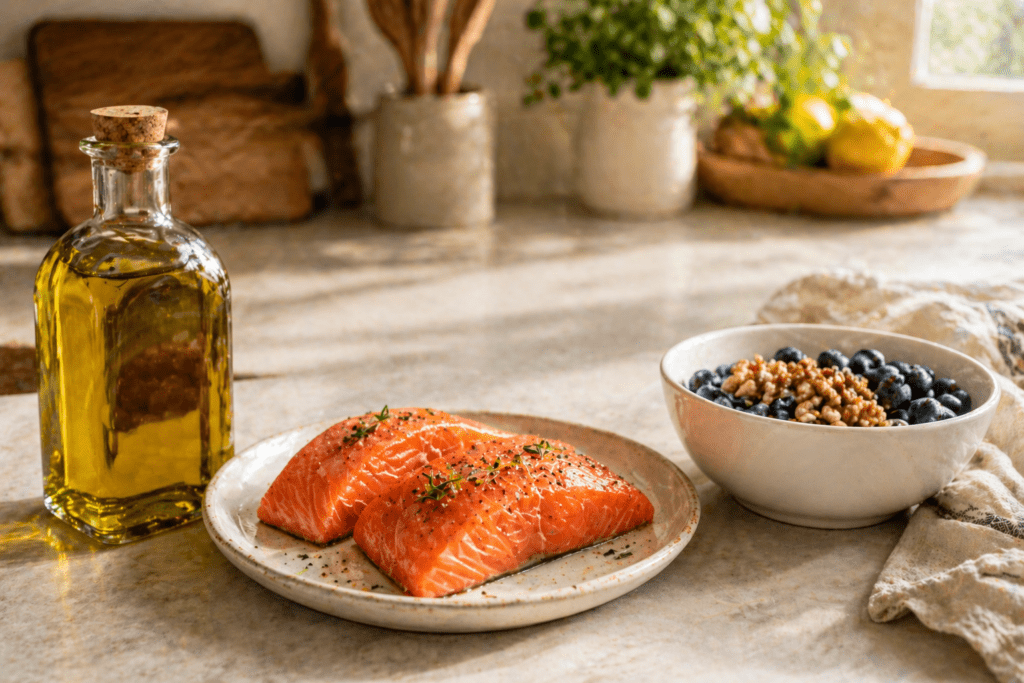
You don’t need to overhaul everything at once. The fastest way to feel the anti-inflammatory effect of Mediterranean eating is to make three specific swaps this week:
Swap 1, Replace your cooking oil with extra virgin olive oil. This single change starts reducing inflammatory markers within days. Use it generously, on vegetables, in dressings, drizzled on finished dishes.
Swap 2, Add fatty fish twice this week. Salmon, sardines, or mackerel at lunch or dinner. Canned options make this completely effortless and just as effective as fresh.
Swap 3, Add a handful of walnuts or berries daily. To your breakfast, as a snack, or both. These two foods alone provide meaningful anti-inflammatory coverage every single day.
Three swaps. One week. Most people feel a noticeable difference within five days.
For a complete guide to stocking a Mediterranean kitchen with all the anti-inflammatory staples, read: Mediterranean Pantry Essentials: Beginner Grocery List for Easy Healthy Meals
And if you want the full Mediterranean system (meal structure, grocery lists, and a 7-day plan built around anti-inflammatory eating), the Cravings Control Reset was built exactly for this. Get instant access for $27 →
Frequently Asked Questions
What is the fastest way to reduce inflammation in the body? Dietary changes show the fastest measurable results. Replacing refined seed oils with extra virgin olive oil, adding fatty fish twice a week, and increasing vegetable and legume intake consistently reduces C-reactive protein within 2–4 weeks. These changes work faster than most supplements because they address the root cause rather than suppressing symptoms.
Is the Mediterranean diet anti-inflammatory? Yes. It is consistently ranked as the most anti-inflammatory dietary pattern in nutrition research. Its combination of olive oil polyphenols, omega-3 fatty acids from fish and nuts, fiber from legumes and vegetables, and antioxidants from colorful produce targets multiple inflammatory pathways simultaneously.
What foods cause the most inflammation? Refined carbohydrates, added sugars, processed seed oils (soybean, corn, sunflower), ultra-processed foods, and excess alcohol are the primary dietary drivers of chronic inflammation. These foods elevate C-reactive protein and other inflammatory markers measurably within weeks of consistent consumption.
Can inflammation cause weight gain? Yes, chronic inflammation directly interferes with insulin sensitivity and leptin signaling, making it harder for your body to regulate blood sugar and fat storage. Many people find that reducing inflammation is the missing piece when diet and exercise alone aren’t producing expected results.
What supplements help reduce inflammation? Omega-3 fatty acids, magnesium, vitamin D, turmeric with black pepper, and probiotics all have meaningful anti-inflammatory evidence. These work best alongside, not instead of, dietary changes. Food-based anti-inflammatory compounds are absorbed more effectively and act more broadly than isolated supplements.
How does the Mediterranean diet reduce inflammation specifically? Through several simultaneous mechanisms: olive oil polyphenols inhibit inflammatory enzymes, omega-3 fatty acids from fish and nuts produce anti-inflammatory compounds called resolvins, dietary fiber feeds beneficial gut bacteria that reduce intestinal inflammation, and antioxidants from vegetables and berries reduce oxidative stress that drives inflammatory signaling.
Mediterranean Foods That Keep You Full Longer covers the specific ingredients that do double duty for satiety and inflammation, and Mediterranean Meal Prep for the Week shows you how to build these anti-inflammatory meals in advance. If hunger patterns are part of what brought you here, Why Am I Always Hungry at Night? and The Balanced Mediterranean Meal Formula go deeper into the mechanism, and the Mediterranean Diet Grocery List for Beginners covers exactly what to stock to get started.
About Ribert Rodriguez
Ribert is the founder of EnergiSource Wellness. He researches and writes every article on this site personally, cross-checking claims against published research rather than relying on generic wellness advice. His approach is rooted in the Mediterranean framework, built from years of testing meal structures on himself after struggling with cravings, late-night eating, and low energy.