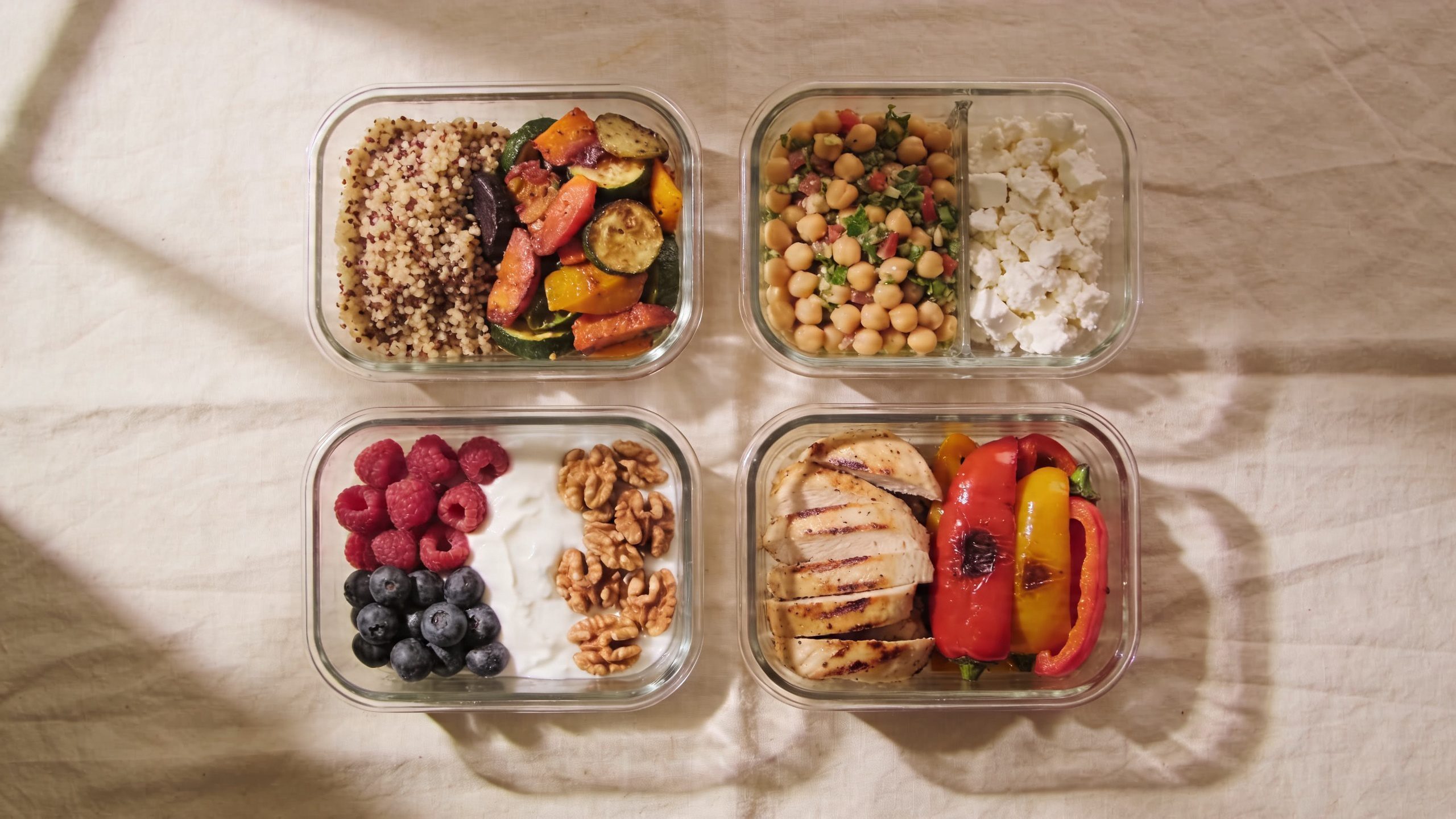
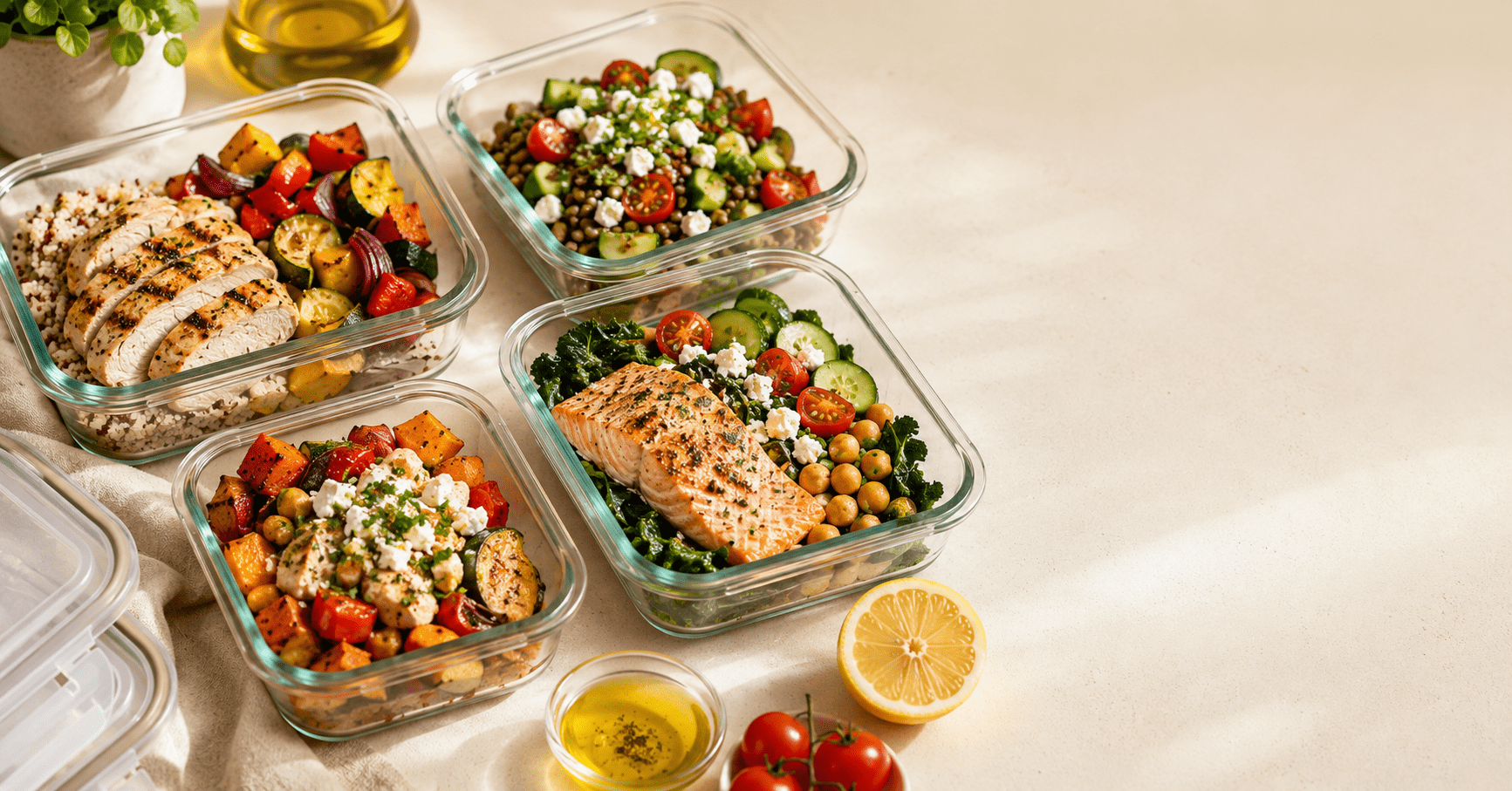
Quick answer: A good pre-made Mediterranean meal has at least 25 grams of protein, 5 or more grams of fiber, olive oil as its main fat, and no more than about 800 mg of sodium. Read the nutrition label before the menu photo. If a meal falls short, you can fix most of it in two minutes with a protein or vegetable add-on.
Pre-made meals sound like the perfect shortcut for busy weeks: heat, eat, done. The problem is that “Mediterranean” on a box tells you very little. Plenty of meals with olives and feta on top still leave you hungry an hour later, because the parts that actually keep you full are missing.
I have ordered Factor, and I have bought ready meals at Trader Joe’s and Costco. The grocery store ones lost me at the ingredient list. My honest take: pre-made meals are a good backup for busy weeks, and a useful tool when you choose them well, but they are not my default. I would rather do some light high-protein meal prep for the week and keep a couple of ready meals in the freezer for the days that plan falls apart.
This guide is the part the “best meal delivery” lists skip: what to check on the label so the meal actually holds you until the next one.
What Makes a Pre-Made Meal Actually Mediterranean?
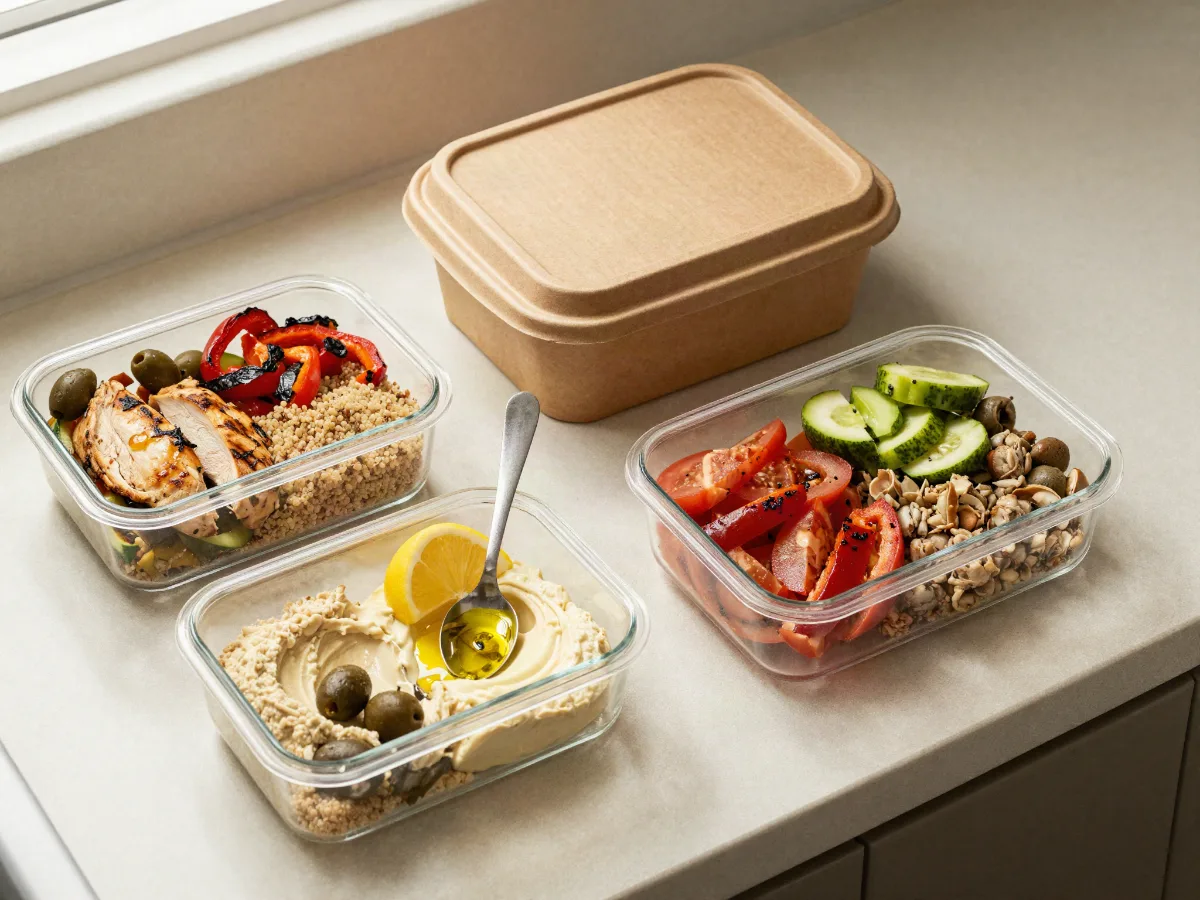
A Mediterranean meal is built mostly from vegetables, legumes, whole grains, fish or poultry, and olive oil, with very little processed meat or added sugar. If the main ingredients on the label are vegetables, beans, whole grains and a lean protein, it qualifies. If the label leads with refined pasta and cream sauce, the name does not matter.
Ingredients are listed by weight, so the first four or five tell you what the meal really is. A “Mediterranean bowl” that starts with white rice, then chicken, then a sauce with sugar in the top five is mostly rice. One that starts with chickpeas, chicken, spinach, farro and olive oil is the real thing.
How Much Protein Should a Prepared Meal Have?
Aim for at least 25 grams of protein per meal, and 20 grams at the very minimum for a smaller lunch. Below that, most people are hungry again well before the next meal, no matter how healthy the ingredients look.
That number is not random. A review in the American Journal of Clinical Nutrition found that higher-protein meals lead to more fullness, and pointed to about 25 to 30 grams of protein per meal as the amount behind that effect (Leidy et al., 2015). This is the number most pre-made meals miss. A lot of vegetable-heavy “Mediterranean” bowls land at 12 to 18 grams, which is why they feel light.
How Much Fiber Should It Have?
Look for 5 grams of fiber or more per meal. Fiber slows digestion and works with protein to keep you full, and a meal built on legumes, vegetables and whole grains reaches 5 grams easily.
For reference, the FDA’s Daily Value for fiber is 28 grams, so 5 to 8 grams per meal is a realistic share. If a meal has 2 grams of fiber, it is telling you the vegetables and beans are mostly decoration.
How Much Sodium Is Too Much in a Prepared Meal?
My rule of thumb is no more than about 800 mg of sodium per meal, which is roughly a third of the daily limit. Many prepared meals go well past that, so this is the number to check first after protein.
The FDA sets the Daily Value for sodium at less than 2,300 mg, and notes that more than 70% of the sodium Americans eat comes from packaged and prepared foods. On the label, 20% Daily Value or more counts as high. A single meal at 1,200 mg is more than half your day in one container. You do not need to fear salt, but if every meal you eat is a ready meal, this adds up fast.
The 2-Minute Label Check
This is what I look at, in this order, before I care about the photo or the name of the dish.
| Check | Aim for | Why it matters |
|---|---|---|
| Protein | 25 g or more (20 g minimum) | The biggest driver of how long a meal keeps you full |
| Fiber | 5 g or more | Slows digestion; shows the vegetables and beans are real |
| Sodium | About 800 mg or less | Prepared meals are where most extra sodium comes from |
| Main fat | Olive oil listed | The fat that makes it Mediterranean, not just the toppings |
| First 5 ingredients | Vegetables, legumes, whole grains, fish or poultry | Ingredients are listed by weight, so these are the meal |
| Added sugar | Low (sauces are the usual source) | A sweet sauce can turn a balanced bowl into a quick crash |
A meal does not have to be perfect on all six. If protein and fiber are there, you are most of the way. If they are not, the next section fixes it.
How Do You Make a Pre-Made Meal More Filling?
Add the missing piece instead of buying a different meal. Most ready meals are short on protein or fiber, and one simple add-on fixes either in under two minutes.
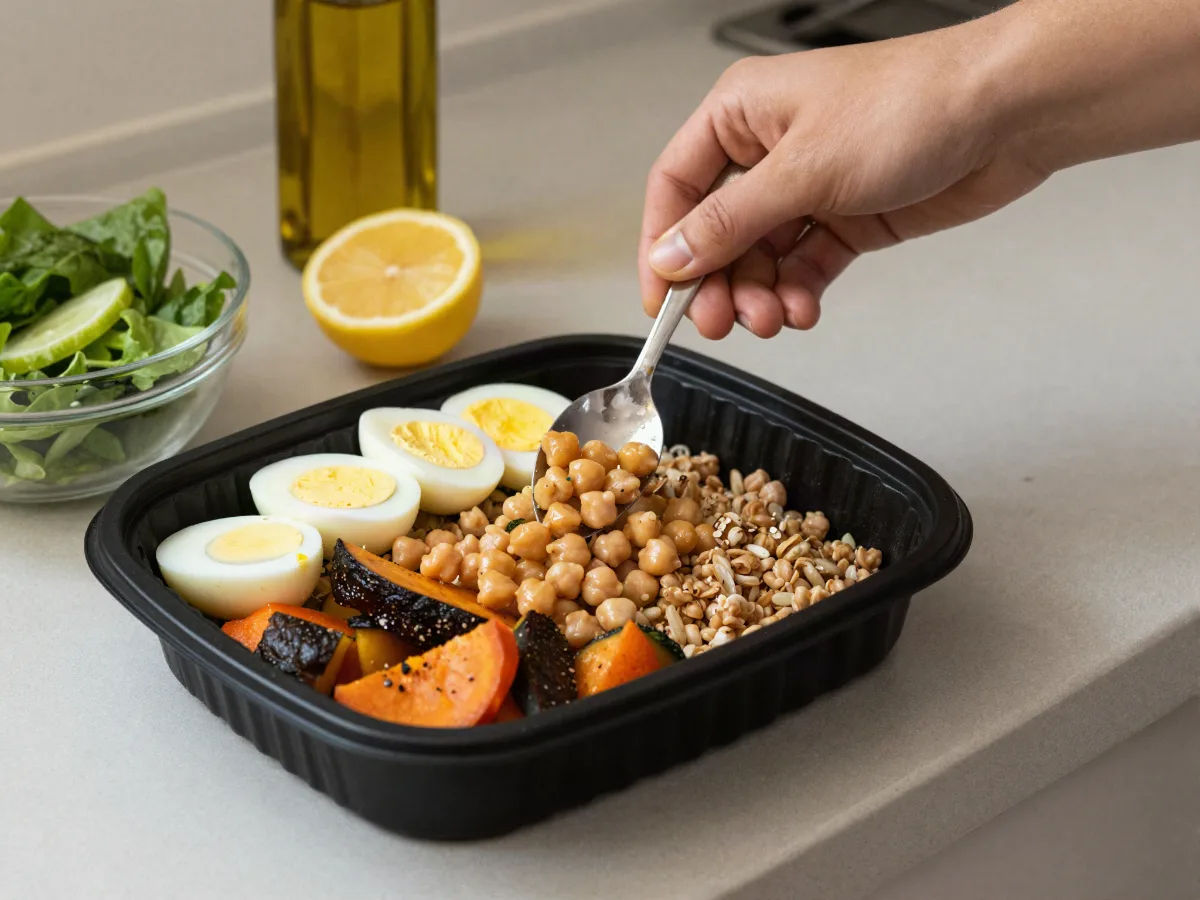
- Short on protein: a hard-boiled egg or two, a scoop of Greek yogurt on the side, some rotisserie chicken, or a can of tuna or sardines.
- Short on fiber: a handful of bagged salad greens, half a can of rinsed chickpeas, or a piece of fruit after.
- Tastes flat: a drizzle of olive oil and a squeeze of lemon. It also makes the meal more Mediterranean than the box made it.
If you are not sure what a meal is missing, the free Full Plate Method meal builder shows you in about a minute. It uses the same balanced plate method as this checklist: protein, fiber and healthy fat on every plate.
Delivery, Meal Kit or Grocery Store: Which Should You Choose?
Ready-to-heat delivery is the most convenient, meal kits give you the most control, and grocery store meals are the cheapest and the most hit-or-miss. Whichever you choose, the label check above matters more than the brand.
Ready-to-heat delivery
Services like Factor, CookUnity and Territory Foods send fully cooked meals you heat in a few minutes. Factor is the one I have used. Some of these services have a Mediterranean section on their menu, but that label is not a guarantee, so check each meal’s protein and sodium before you add it to your box. Expect to pay more than cooking: one comparison put most meal delivery services at roughly $10 to $14 per meal, before shipping.
Meal kits
Meal kits send pre-portioned ingredients and a recipe, so you still cook, usually for 20 to 40 minutes. Green Chef is the one most often named for this diet because it has a dedicated Mediterranean plan. Kits give you more control: you can add extra chickpeas or use more olive oil and less salt.
Grocery store ready meals
Trader Joe’s, Costco, Whole Foods and most supermarkets sell ready meals and prepared salads, often with a Mediterranean label. They are the cheapest option and need no subscription. They are also where I have been least happy with ingredient lists, so this is where the label check earns its keep. The best grocery picks are usually the simplest: a grain and bean salad with olive oil, a container of plain grilled chicken, and a bag of greens you put together yourself.
Are Prepared Meals Worth It?
They are worth it for weeks when the real alternative is takeout or skipping meals. They are not worth it as your everyday default if cooking is realistic for you, because they cost more and give you less control over protein and sodium.
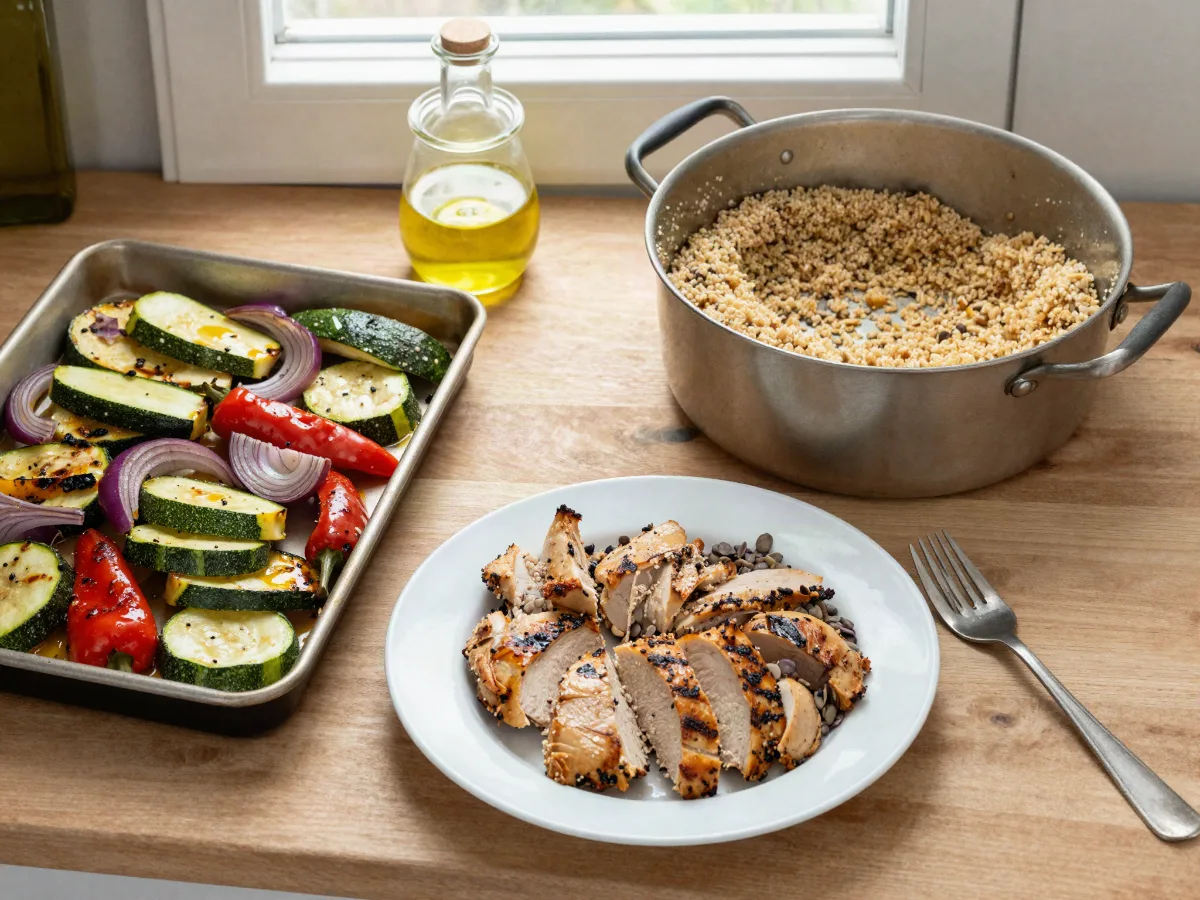
The middle ground is what works for me: prep components, not identical containers. A tray of roasted vegetables, a pot of quinoa or farro, some cooked chicken or a batch of lentils, and a jar of olive oil and lemon dressing. That gives you four or five different meals in minutes, for a fraction of the cost. If budget is the main concern, the Mediterranean diet on a budget breaks down a full week of groceries.
Want the Week Already Planned?
If what you really want from pre-made meals is not having to think about what to eat, a plan can do that without the delivery bill. My 7-Day Mediterranean Meal Plan ($17) gives you 28 meals and snacks built on the same protein, fiber and healthy fat structure as this checklist, plus a grocery list, so the thinking is done before Monday.
Or start with the free Hunger-Free Day Formula, which lays out a full day of meals that keep you full.
Whatever ends up on your plate this week, check the protein first. That one number tells you more about how you will feel at 3pm than the word “Mediterranean” ever will.
Ribert
Frequently Asked Questions
Are prepared meals healthy on the Mediterranean diet?
They can be, if the meal is built on vegetables, legumes, whole grains, lean protein and olive oil, with at least 25 grams of protein and moderate sodium.
Which meal delivery service has a Mediterranean plan?
Green Chef offers a dedicated Mediterranean meal kit plan, and several ready-to-heat services list Mediterranean-style meals on their menus, so check each meal’s label either way.
How much protein should a prepared meal have?
At least 25 grams, which is the amount research links to feeling fuller after a meal.
How much sodium is too much in a frozen or prepared meal?
Anything at 20% of the Daily Value or more is considered high, and a practical target is about 800 mg or less per meal.
Are Trader Joe’s and Costco Mediterranean meals healthy?
Some are and some are not, so judge each one by its protein, fiber, sodium and first five ingredients rather than the store or the name.
Is meal delivery cheaper than cooking Mediterranean food?
No, delivery usually costs around $10 to $14 per meal, while cooking the same kind of meal from groceries typically costs a fraction of that.
How this was researched: the protein target comes from a review in the American Journal of Clinical Nutrition (Leidy et al., 2015), the sodium and fiber figures come from the FDA’s Daily Values, and the price range comes from a published comparison of meal delivery services. Service menus change often, so check current options on each company’s site. I have no affiliate relationship with any service mentioned. Last updated: October 13, 2026.
Related: Mediterranean lunch ideas for work · Mediterranean meal prep for the week · Mediterranean snack boxes