
High protein yogurt, especially skyr, keeps you full longer because it is dominated by casein, a slow-digesting protein that forms a gel in the stomach and releases amino acids gradually over hours. This is different from whey protein, which is more satiating immediately after eating but fades faster. If your goal is staying full for hours, not just right after a meal, casein-rich yogurt is doing something genuinely different than a typical protein shake.
Get the free Night Hunger Snack List ↓
I used to treat all protein as interchangeable. A protein shake, a piece of chicken, a bowl of yogurt, in my head they were all just checking the same box. It wasn’t until I looked into why yogurt specifically seemed to hold me longer than a shake did that I realized they weren’t doing the same thing at all.
For more options, see these Mediterranean breakfast ideas for steady energy.
Love the creamy texture? Cottage cheese works the same way. Try these 10 high-protein cottage cheese recipes.
What nobody explains clearly: not all protein digests the same way, and the difference isn’t minor. It’s the reason a protein shake can leave you hungry again within an hour while a bowl of yogurt doesn’t.
Casein vs Whey: The Difference That Actually Matters
Whey and casein are both milk proteins, but they behave completely differently once you eat them. Whey digests fast and spikes amino acids in your blood quickly. Casein digests slowly, forming a gel-like substance in your stomach that releases amino acids gradually over several hours.
A randomized controlled trial by Pal and colleagues, published in the European Journal of Clinical Nutrition, compared whey and casein directly and found whey produced significantly higher satiety ratings before lunch and dinner. That might sound like it settles the question in whey’s favor, but it only tells half the story.
A separate peer-reviewed review of controlled clinical trials on dairy proteins and appetite found the opposite pattern over a longer window: whey is more satiating in the short term, while casein is more satiating in the long term. The two proteins aren’t competing on the same timeline, they’re solving different problems.
Why Casein Actually Slows You Down, Mechanically
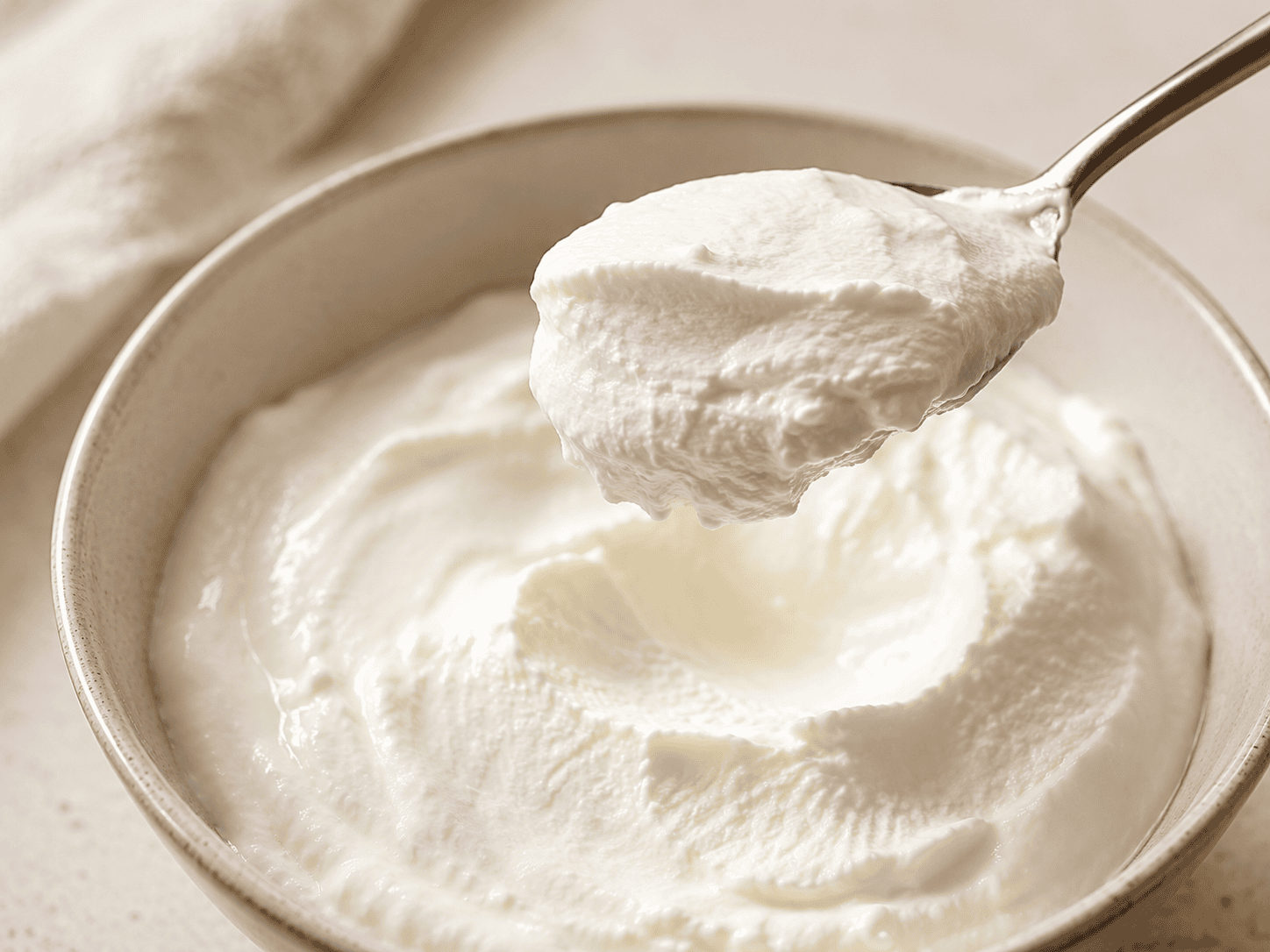
This isn’t just a vague timing difference, there’s a real mechanical reason behind it. The classic human study on this, by Boirie and colleagues in the Proceedings of the National Academy of Sciences, showed that casein clots in the stomach and produces a slow, gradual rise in blood amino acids that lasts for hours, while whey stays liquid, empties quickly, and spikes amino acids within about an hour. They named them slow and fast proteins for exactly this reason.
Animal research points at the same mechanism from the other direction. In an aged rat model published in Nutrients, casein precipitated and coagulated in the acidic environment of the stomach, physically slowing gastric emptying compared to whey, which passed through quickly.
I noticed this pattern clearly once I started paying attention to timing specifically. A whey-based shake held me for maybe an hour, sometimes less. A bowl of skyr or thick Greek yogurt held me noticeably longer, closer to three or four hours, which lines up with what the slow-digestion mechanism would predict.
Skyr Specifically, and How It Compares to Regular Yogurt
Skyr is a strained Icelandic dairy product, technically closer to a soft cheese than yogurt, made by fermenting skim milk. A typical serving delivers around 17 to 19 grams of protein at roughly 100 calories, slightly more concentrated than most Greek yogurt, because the straining process removes more liquid and concentrates the protein further.
Both skyr and regular Greek yogurt are casein-dominant, so the core satiety mechanism applies to both. Skyr’s advantage is mostly about concentration and texture, more protein per serving in a thicker, creamier form, not a fundamentally different mechanism.
>> Want this built into a full meal plan instead of figuring out timing yourself?
The Full Plate Method app builds Mediterranean meals around protein, fiber, and healthy fat automatically. Free forever. Build your fullness-focused meals free.
How to Actually Use This
If your goal is staying full through a long stretch, a morning meeting block, an afternoon without easy access to food, casein-dominant yogurt is a genuinely useful tool for that specific window, more so than a fast-digesting whey shake would be.
This pairs naturally with the same protein, fiber, and healthy fat structure behind the Balanced Plate Method. Adding fiber (berries, chia, oats) alongside the yogurt gives you both mechanisms working together, not just one.
If you want it as an actual meal rather than a snack, it slots straight into the same formula behind these high protein breakfast bowls.

Free printable
Hungry again at 9pm?
Get the free printable Night Hunger Snack List: 10 Mediterranean snacks with exact portions and protein counts, for the evenings when cravings hit. Enter your email and download it instantly.
Free. No spam. Unsubscribe anytime.
Frequently Asked Questions
Is yogurt slow digesting or fast digesting?
Mostly slow. About 80% of the protein in milk is casein, which thickens in the stomach and digests gradually over several hours. The other 20% or so is whey, which digests quickly. Strained yogurts like Greek yogurt and skyr have much of the liquid whey strained off, so they lean even more toward the slow-digesting side.
Does skyr have casein?
Yes. Skyr is made from skim milk that is cultured and then strained, and most of its protein is casein. That is a big part of why a bowl of skyr tends to keep you full longer than a whey-based shake with the same grams of protein.
Is skyr better than regular Greek yogurt for fullness?
Both are casein-dominant and work through the same slow-digestion mechanism. Skyr simply packs slightly more protein into a typical serving, so the effect may be a bit stronger, not fundamentally different.
Should I choose casein or whey protein?
It depends on the timing you need. Whey is more useful right after a workout or when you need quick satiety. Casein, found naturally in yogurt and skyr, is more useful when you need to stay full for a longer stretch, like overnight or through a long morning.
Does flavored yogurt work the same way?
The protein mechanism is the same, but flavored varieties often carry significantly more added sugar, which can undercut the blood sugar stability that makes a meal feel satisfying in the first place. Plain, with fruit added yourself, is the more reliable choice.
How much high protein yogurt should I eat for fullness?
A standard single serving (roughly 150 to 170g) providing 15g or more of protein is enough to trigger the effect. More isn’t necessarily better, consistency matters more than volume.
The Bottom Line
High protein yogurt isn’t magic, and it isn’t simply superior to every other protein source. It does one specific thing well: casein’s slow digestion makes it genuinely useful for staying full over a longer stretch, in a way a fast-digesting protein shake isn’t built to do.
I stopped treating protein as one interchangeable category once I understood this. Now I actually think about which protein fits which part of my day, yogurt for the long stretches, something faster when I actually need a quick reset.
Ribert
>> Want 7 days of Mediterranean meals built around this same formula?
The Mediterranean Meal Plan gives you 28 meals and snacks across 7 days, built around protein, fiber, and healthy fat for 4 to 5 hour fullness. Complete grocery list included. No calorie counting, no tracking. Get instant access for $17.
This article shares personal experience and general nutrition information, not medical advice.
About Ribert Rodriguez
Ribert is the founder of EnergiSource Wellness. He researches and writes every article on this site personally, cross-checking claims against published research rather than relying on generic wellness advice. His approach is rooted in the Mediterranean framework, built from years of testing meal structures on himself after struggling with cravings, late-night eating, and low energy.