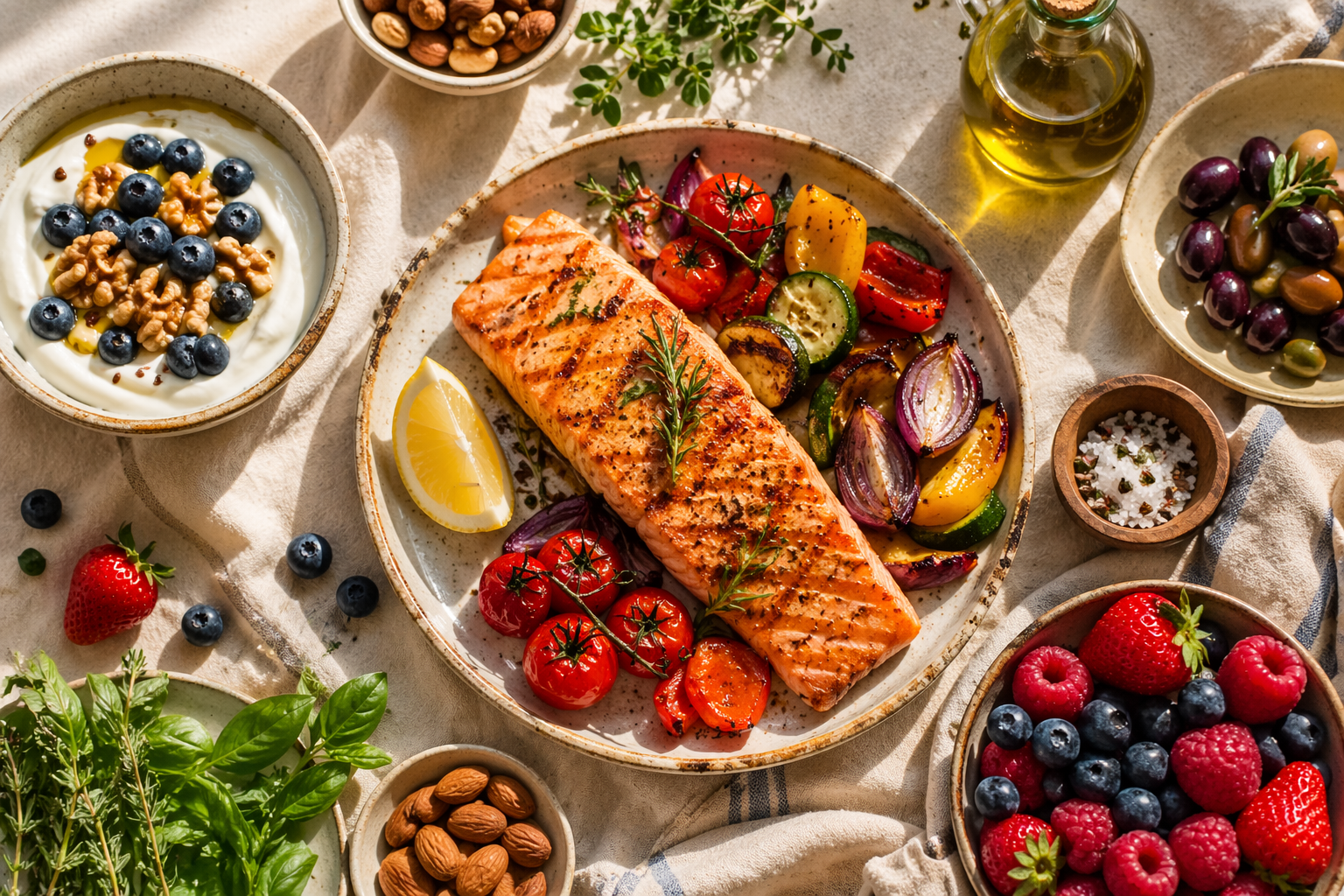
Fermented foods like sauerkraut, kefir, kimchi, and yogurt support gut health by delivering both live bacteria and short-chain fatty acids (SCFAs), compounds that fuel your gut lining, support its barrier function, and help regulate inflammation. This is different from what a probiotic supplement alone provides, and it’s part of why real food sources tend to work better than a bottle.
I used to think probiotic foods and probiotic supplements were basically interchangeable, just different delivery methods for the same bacteria. It wasn’t until I looked into what fermentation actually produces that I realized how wrong that assumption was.
What nobody explains clearly: a probiotic supplement gives you bacteria. Real fermented food gives you the bacteria AND the byproducts of fermentation itself, compounds your gut is already built to use.
What Fermentation Actually Produces
When bacteria ferment food, they don’t just multiply, they produce short-chain fatty acids (SCFAs), specifically acetate, propionate, and butyrate, as a direct byproduct of that process.
A study published in Nature Scientific Reports found that foods produced by bacterial fermentation, including sauerkraut, yogurt, cheese, and pickles, are naturally enriched in SCFAs. These aren’t a side effect. They’re one of the main reasons fermented foods behave differently in your body than unfermented versions of the same ingredient.
Butyrate specifically serves as the primary energy source for the cells lining your colon, according to a review on fermented foods and gut health published in a peer-reviewed journal . It helps maintain the integrity of your gut barrier and supports the tissue that keeps your digestive system functioning the way it’s supposed to.
Why This Matters Beyond Digestion
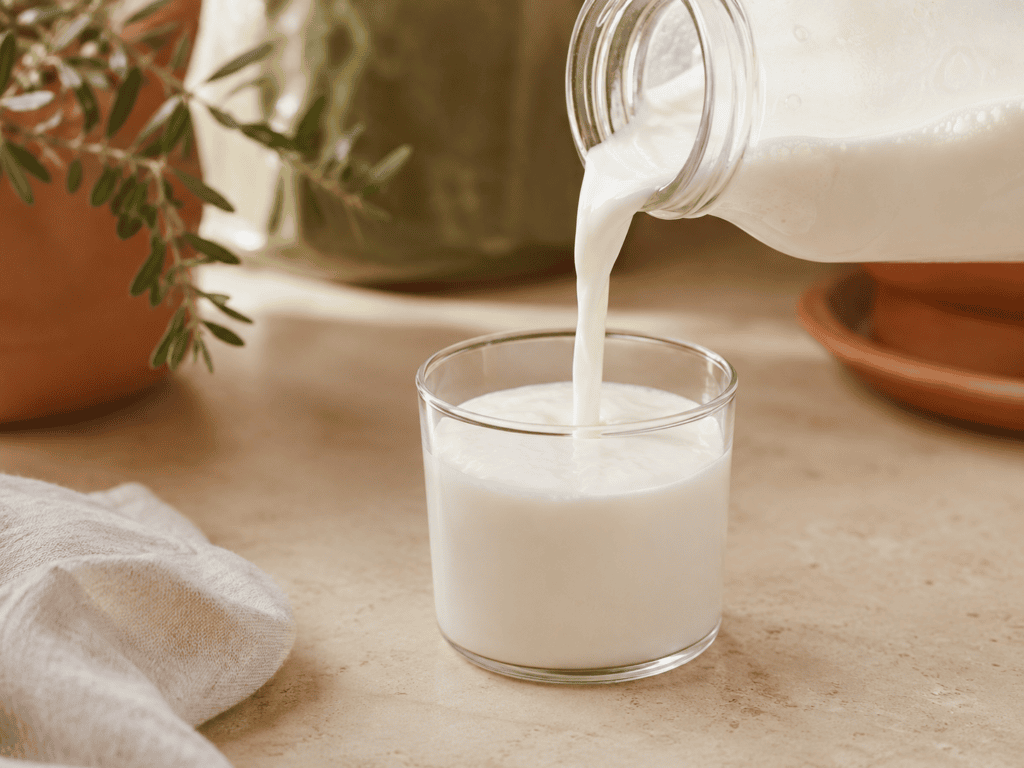
SCFAs from fermented foods interact with your immune system directly, helping regulate inflammation rather than just passing through your digestive tract.
I noticed this distinction mattered once I started paying closer attention to the difference between eating fermented foods and just taking a probiotic capsule. The capsule gave me bacteria. The sauerkraut and kefir gave me bacteria plus the compounds that actual gut tissue uses to stay healthy. That’s not a small difference, it’s a completely different category of support.
The Best Fermented Foods to Start With
Plain Greek Yogurt
The most accessible entry point, and one most people already have in their kitchen. Look for varieties with live active cultures listed on the label.
Kefir
A fermented milk drink with a broader range of bacterial strains than most yogurt, and a thinner, drinkable texture that makes it easy to add to a smoothie.
Sauerkraut
Fermented cabbage, and one of the most SCFA-rich fermented foods studied. Look for the refrigerated section specifically, shelf-stable versions are often pasteurized, which kills the live cultures that make it worth eating for this purpose.
Kimchi
Similar to sauerkraut but fermented with a wider range of vegetables and spices, adding both fiber and fermentation benefits in the same food.
Miso
Fermented soybean paste, most commonly used in soup, with a naturally salty, savory flavor that works well stirred into dressings too.
How to Actually Add This to Your Meals
The most sustainable way to add fermented foods is a small amount daily, not a large amount occasionally. A tablespoon of sauerkraut alongside a meal, or kefir blended into a smoothie, is more useful long term than an occasional large serving.
This pairs naturally with the same protein, fiber, and healthy fat structure behind the Balanced Plate Method, fermented foods are an addition to that formula, not a replacement for it.
Frequently Asked Questions
Are fermented foods better than probiotic supplements?
They serve different purposes. Fermented foods deliver both live bacteria and short-chain fatty acids that support gut tissue directly, while most supplements deliver bacteria alone.
How much fermented food should I eat daily?
A small, consistent amount, a few tablespoons of sauerkraut or a small glass of kefir, tends to work better long term than large occasional servings.
Does cooking kill the benefits of fermented foods?
Heat can kill the live bacteria in fermented foods, which is why sauerkraut and kimchi are most beneficial eaten cold or added after cooking rather than heated directly.
Can fermented foods cause bloating at first?
Some people notice temporary bloating when first introducing fermented foods. Starting with small amounts and increasing gradually tends to help.
Free printable
Hungry again at 9pm?
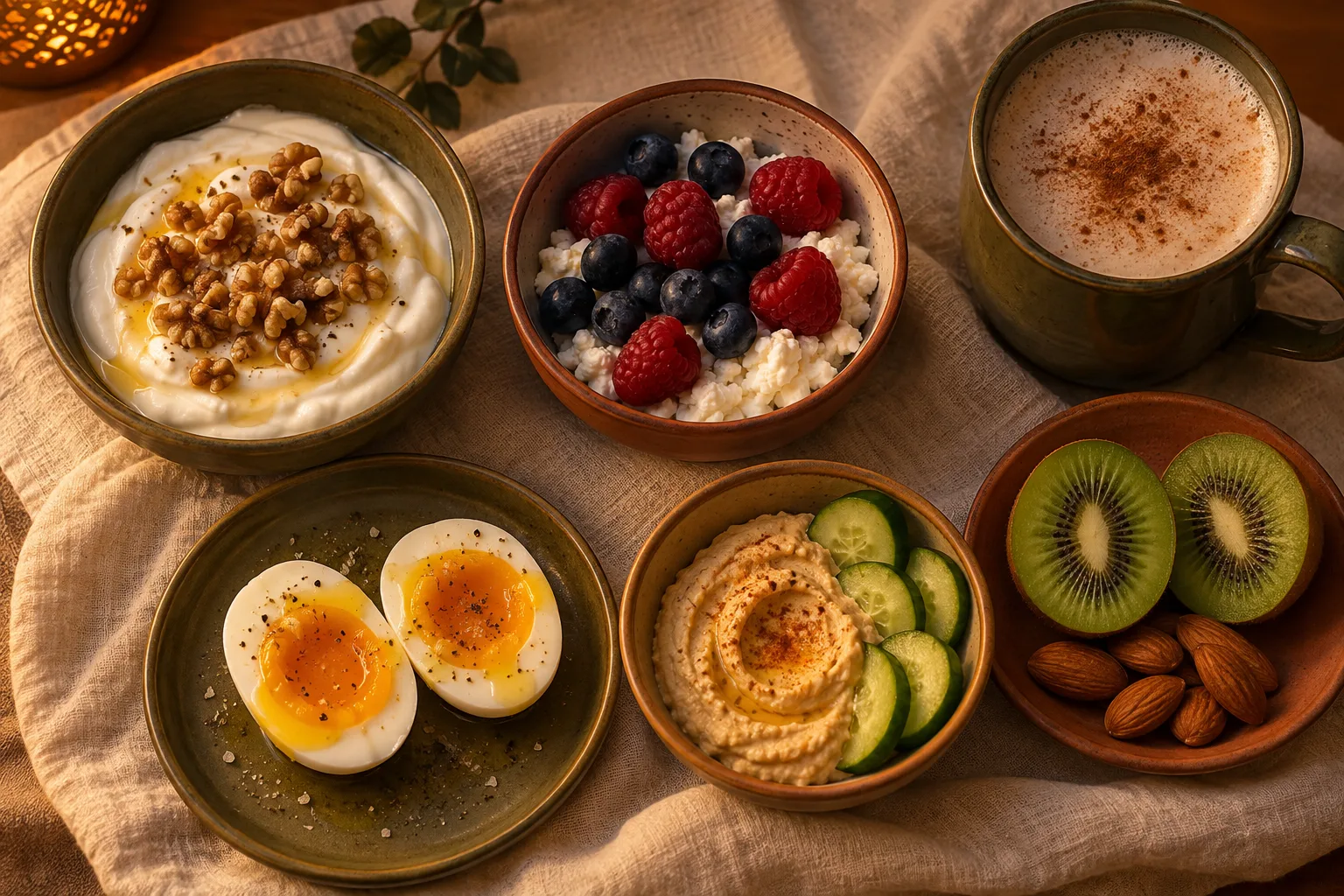
Get the free printable Night Hunger Snack List: 10 Mediterranean snacks with exact portions and protein counts, for the evenings when cravings hit. Enter your email and download it instantly.
Free. No spam. Unsubscribe anytime.
The Bottom Line
Fermented foods aren’t just another way to get probiotics. The short-chain fatty acids they produce during fermentation feed and support your gut lining directly, something a bacteria-only supplement doesn’t fully replicate.
I didn’t overhaul my meals to add this in. I just started keeping sauerkraut and kefir on hand and adding small amounts consistently. That’s really the whole strategy, small and consistent beats occasional and large every time.
Ribert
>> Want this built into a full meal plan instead of figuring it out on your own?
The Full Plate Method app builds Mediterranean meals around protein, fiber, and healthy fat automatically. Free forever. Build your gut-friendly meals free.
>> Want 7 days of Mediterranean meals built around this exact formula?
The Mediterranean Meal Plan gives you 28 meals and snacks across 7 days, built around protein, fiber, and healthy fat for 4-5 hour fullness. Complete grocery list included. No calorie counting, no tracking. Get instant access for $17.
This article shares personal experience and general nutrition information, not medical advice. Talk to a doctor before making significant changes to your diet, especially if you have a digestive condition.
About Ribert Rodriguez
Ribert is the founder of EnergiSource Wellness. He researches and writes every article on this site personally, cross-checking claims against published research rather than relying on generic wellness advice. His approach is rooted in the Mediterranean framework, built from years of testing meal structures on himself after struggling with cravings, late-night eating, and low energy.