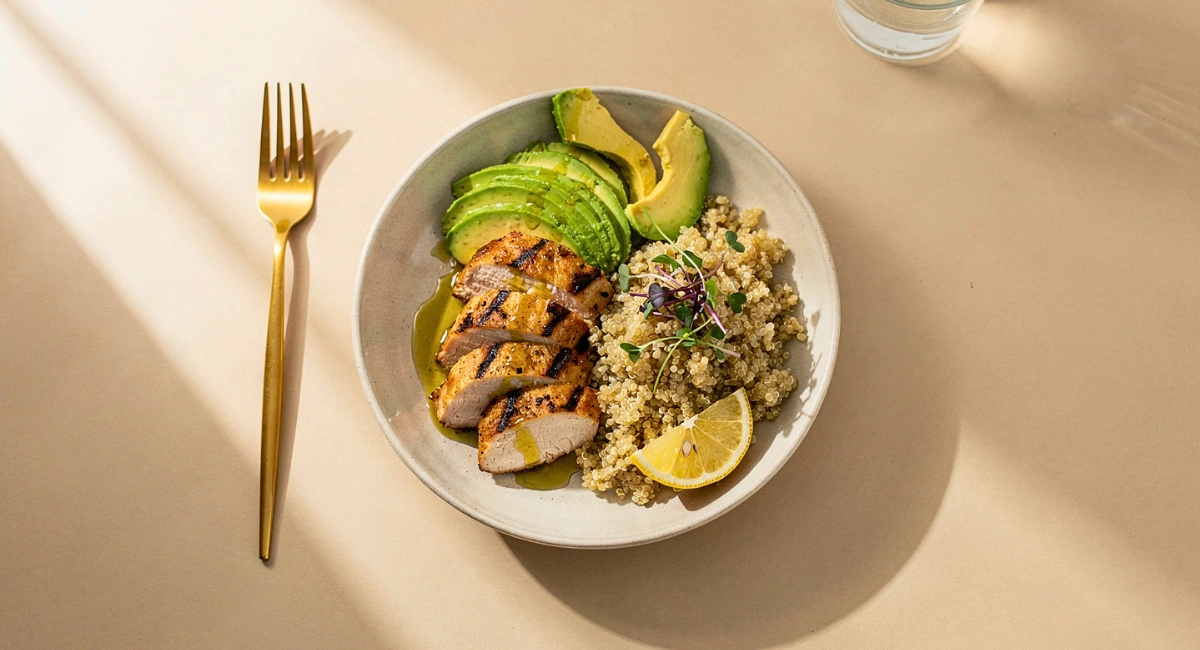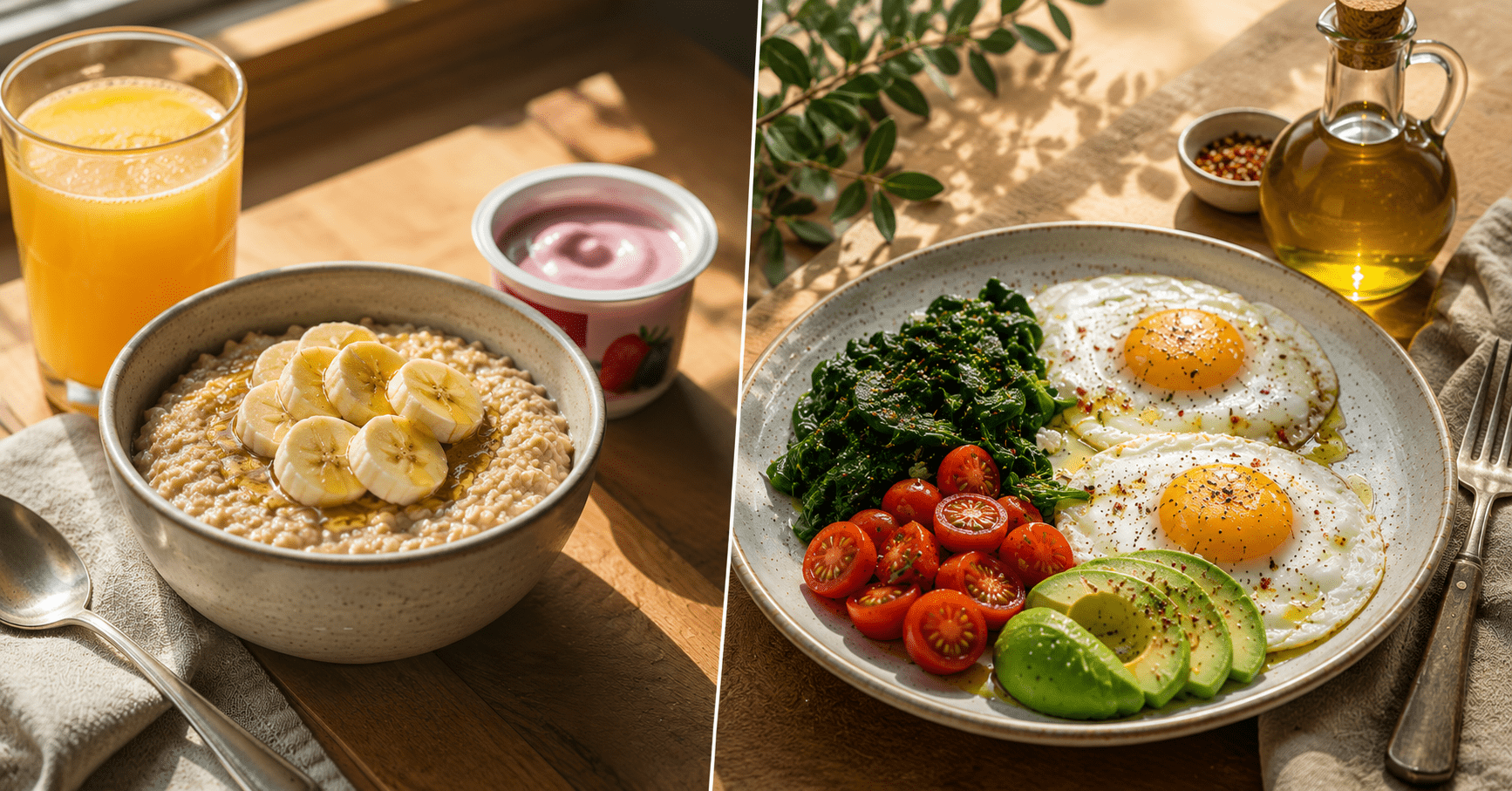
The best breakfast for stable blood sugar all day is a savory meal with 20 to 25 grams of protein, healthy fat from olive oil or avocado, and fiber from vegetables or legumes. This combination keeps glucose rising gradually rather than spiking, prevents the mid-morning crash, and makes the 3pm sugar craving less likely by not creating the blood sugar instability that drives it. Oatmeal with honey, fruit smoothies, and low-fat yogurt with granola are the breakfasts most people call healthy. They are also the breakfasts most likely to produce a blood sugar spike and crash pattern that runs through the entire day.
For most of my adult life I ate what I understood to be a healthy breakfast. Oats with banana and honey. A fruit smoothie with spinach. Sometimes a flavored yogurt with granola on top. All of it felt responsible. All of it left me hungry again by 9:30am.
When I started reading about blood sugar and meal structure I went looking for the best breakfast for stable blood sugar expecting to find something complicated. What I found was simpler and more counterintuitive than I expected. The breakfasts I had been told were healthy were some of the worst options for blood sugar stability. The breakfasts I had never considered eating in the morning were the ones that actually worked.
The pattern makes sense once you understand why morning sugar cravings happen. The first meal of the day sets the glucose pattern for the entire morning. Get it right and the 10am hunger, the 3pm crash, and the evening sweet craving all quiet significantly. Get it wrong and you spend the rest of the day managing the consequences.
Why the most popular healthy breakfasts are bad for blood sugar
The health food industry has been remarkably effective at making carbohydrate-forward breakfasts feel like the responsible morning choice. Oatmeal is whole grain. Fruit smoothies are full of vitamins. Low-fat yogurt with granola feels balanced. All of these framing choices are technically accurate and nutritionally misleading simultaneously.
What determines blood sugar stability at breakfast is not whether the food is healthy in a general sense. It is whether the meal contains enough protein and fat to slow glucose absorption from whatever carbohydrates are present. An oatmeal bowl with honey and banana and no protein source produces a very different blood sugar response than the same oatmeal with a scoop of protein powder, Greek yogurt stirred in, and a tablespoon of chia seeds. The carbohydrate content is similar. The blood sugar response is entirely different.
The most common blood-sugar-spiking breakfasts that are marketed as healthy:
• Plain oatmeal with fruit and honey (carbohydrates with minimal protein or fat)
• Fruit smoothie without protein added (liquid carbohydrates with no gastric emptying delay)
• Flavored yogurt with granola (hidden sugar in both components)
• Toast with jam or nut butter without a protein anchor alongside
• Cereal with milk regardless of how whole grain the packaging claims
• Fruit bowl with low-fat cottage cheese (the fruit-to-protein ratio is inverted from what stabilizes blood sugar)
Each of these can be modified to stabilize blood sugar by adding the right protein and fat components. But in their standard form as most people eat them they produce a glucose spike within 30 to 60 minutes of eating and a crash by 9:30 to 10am.
What actually makes a breakfast stable for blood sugar
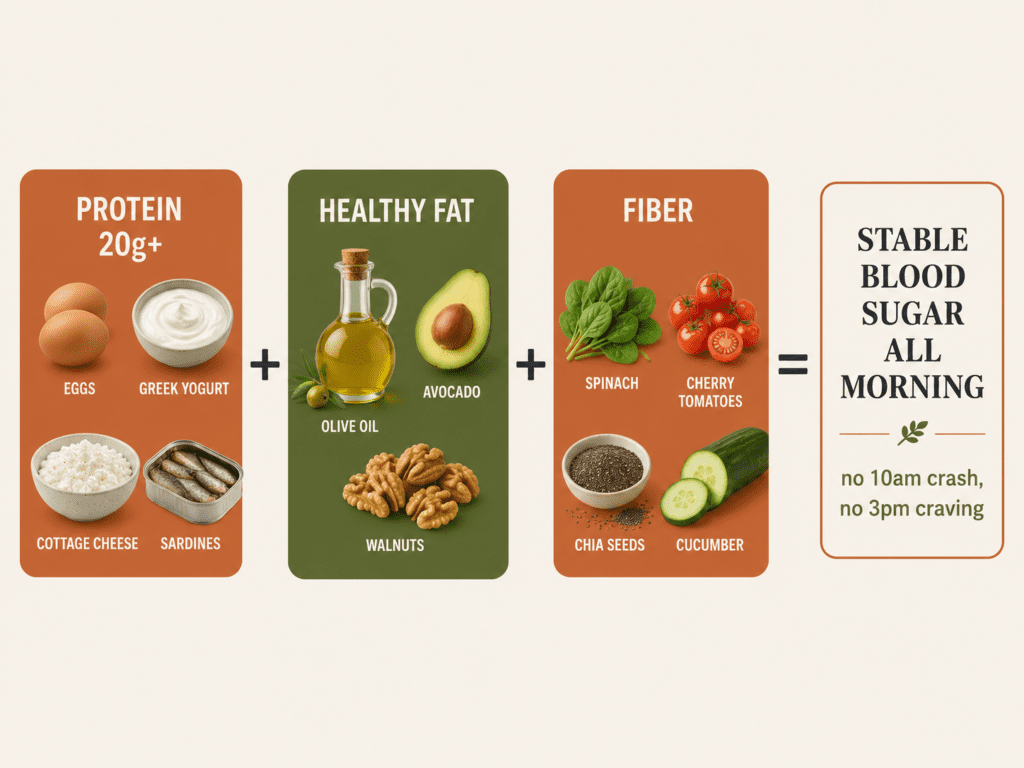
A blood-sugar-stabilizing breakfast has three elements working together. Each element contributes a specific mechanism. All three together produce the flat glucose curve that keeps energy stable and hunger quiet until lunch.
Element 1: Protein above 20 grams
Protein is the most important single variable in a blood-sugar-stabilizing breakfast. It helps lower ghrelin, your hunger hormone, slows gastric emptying so carbohydrates absorb more slowly, triggers GLP-1 release which extends the satiety window, and provides the building blocks for neurotransmitter production that reduces the neurological craving signal through the morning.
The 20-gram threshold matters specifically. A review of the clinical evidence on high-protein diets found that protein in roughly this range reliably raises PYY and GLP-1 while lowering ghrelin, which is where most of the research draws the line between a breakfast that holds you and one that doesn’t. The exact hour-by-hour suppression curve varies by person more than the confident numbers you’ll see elsewhere suggest. Greek yogurt provides 22 grams per cup. Two to three eggs provide 14 to 21 grams. Cottage cheese provides 24 to 28 grams per cup. Any of these as the breakfast anchor cross the threshold that changes the morning blood sugar pattern.
Element 2: Healthy fat
Fat slows the rate at which the stomach empties its contents into the small intestine. This directly reduces how quickly carbohydrates absorb and how high blood sugar rises after a meal. Extra virgin olive oil used to cook eggs or drizzle over a breakfast plate, avocado, walnuts, or the fat naturally present in full-fat Greek yogurt all contribute this gastric emptying delay. A breakfast with no fat source absorbs significantly faster than the same breakfast with two tablespoons of olive oil or half an avocado.
This is the nutritional reason that removing fat from breakfast in the name of eating healthy often makes blood sugar stability worse rather than better. Low-fat yogurt has had the fat that slows its digestion removed. The remaining carbohydrates absorb faster than they would in the full-fat version. A low-fat breakfast is often a faster-digesting breakfast, which is the opposite of what blood sugar stability requires.
Element 3: Fiber from vegetables or legumes
Fiber creates a physical buffer in the digestive tract that slows carbohydrate absorption and feeds the beneficial gut bacteria that regulate hunger hormones. Vegetables added to a breakfast egg dish, chia seeds stirred into yogurt or oats, or chickpeas as part of a breakfast hash all contribute this fiber buffer. The goal is to include at least one fiber source alongside the protein and fat at breakfast rather than treating it as optional.
The 7 best breakfasts for stable blood sugar
Every breakfast below combines all three elements. Each is built specifically to produce a flat glucose curve from the first meal through late morning. All are ready in under 15 minutes.
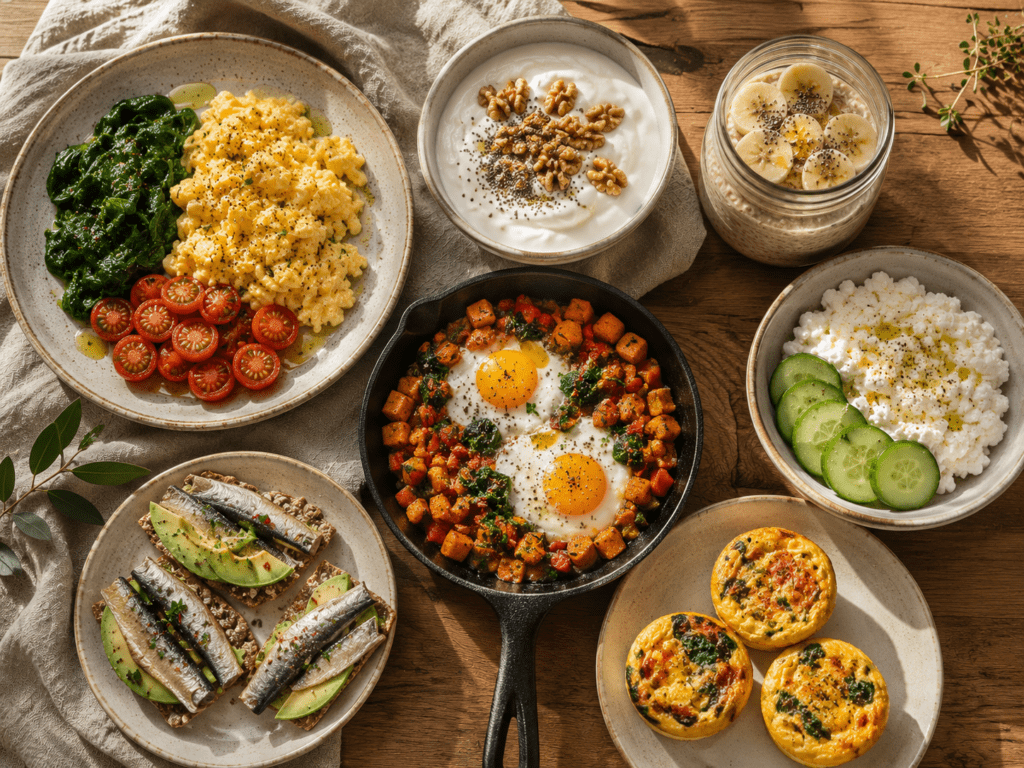
1. Scrambled eggs with spinach and olive oil (the daily staple)
Two to three eggs scrambled in a generous tablespoon of extra virgin olive oil with a large handful of spinach and a cup of cherry tomatoes. Salt, pepper, and fresh or dried herbs. This is the breakfast I eat most mornings specifically because it is the most reliable blood sugar stabilizing option I have found. The eggs provide complete protein. The olive oil slows gastric emptying. The spinach provides magnesium and fiber. Cherry tomatoes add color and light sweetness that makes the plate feel complete.
Blood sugar profile: protein 20-24g, fat high, fiber moderate. Glucose curve: gentle rise, stable for 4 hours.
Prep time: 8 minutes.
2. Greek yogurt with walnuts and chia seeds (the no-cook option)
One cup of plain full-fat Greek yogurt with a small handful of walnuts and a tablespoon of chia seeds. No honey, no granola, no fruit as the primary ingredient. The yogurt provides 22 grams of protein and live probiotics. The walnuts provide omega-3 fatty acids and tryptophan. The chia seeds expand in the stomach and provide prebiotic fiber that extends the satiety window. A small portion of berries can be added as an accent if desired, but the ratio should be yogurt-dominant rather than fruit-dominant.
Blood sugar profile: protein 22-26g, fat moderate, fiber high. Glucose curve: flat, stable for 3-4 hours.
Prep time: 3 minutes.
3. High protein overnight oats (the meal prep version)
Half a cup of rolled oats combined the night before with half a cup of plain Greek yogurt, a tablespoon of chia seeds, one scoop of protein powder or additional Greek yogurt, and enough almond milk to cover. Refrigerate overnight. Eat cold in the morning with a handful of walnuts on top. The overnight preparation allows the oats to partially digest through soaking, which reduces their glycemic impact compared to freshly cooked oats. The protein from Greek yogurt and protein powder combined with the chia seeds changes the blood sugar response of the oats completely.
Blood sugar profile: protein 28-35g, fat moderate, fiber high. Glucose curve: slow rise, very stable for 4+ hours.
Prep time: 5 minutes the night before.
4. Cottage cheese bowl with cucumber and olive oil (the savory no-cook option)
Three-quarters of a cup of full-fat cottage cheese with half a sliced cucumber, a drizzle of olive oil, everything bagel seasoning or za’atar, and cherry tomatoes. This is the fastest protein-rich breakfast available. Cottage cheese provides 24 to 28 grams of protein per cup and the fat from olive oil and the full-fat version extends the satiety window significantly. This breakfast requires no cooking and no preparation beyond opening a container and slicing a cucumber.
Blood sugar profile: protein 24-28g, fat moderate, fiber low-moderate. Glucose curve: flat, stable for 3-4 hours.
Prep time: 2 minutes.
5. Savory egg and sweet potato hash
Diced sweet potato sauteed in olive oil with garlic, red onion, and paprika until tender, then two eggs cracked directly into the pan and cooked until set. Fresh herbs and salt. This is the weekend breakfast when 15 minutes is available. Sweet potato is the slow-digesting carbohydrate that provides energy without a sharp glucose spike when eaten alongside eggs and olive oil. The protein, fat, and fiber combination completely changes the blood sugar response to the sweet potato compared to eating it alone.
Blood sugar profile: protein 18-22g, fat high, fiber high. Glucose curve: very gradual rise, stable for 3–5 hours.
Prep time: 15 minutes.
6. Sardines on whole grain crackers with avocado
One tin of wild-caught sardines on 6 to 8 whole grain crackers with half an avocado and a squeeze of lemon. This breakfast takes 3 minutes and provides 20 grams of protein, significant omega-3 fatty acids, and the fat from avocado that slows digestion completely. The sardines are doing double duty as both the protein anchor and the omega-3 source that improves insulin sensitivity. If you have not eaten sardines at breakfast before, try it once before deciding. The combination with avocado and lemon is more appetizing than it sounds.
Blood sugar profile: protein 20g, fat high, fiber moderate. Glucose curve: flat, stable for 3-4 hours.
Prep time: 3 minutes.
7. Mediterranean egg muffins (the meal prep batch)
Six eggs whisked with diced bell pepper, spinach, sun-dried tomatoes, crumbled feta, and dried oregano. Pour into a greased muffin tin and bake at 375F for 20 minutes. Makes 12 muffins. Store in the fridge for 4 days. Eat 3 muffins cold or reheated in 30 seconds. This is the breakfast for people who want no morning preparation time at all. The batch work on Sunday produces 4 days of blood-sugar-stabilizing breakfasts that require zero effort on weekday mornings.
Blood sugar profile: protein 18-22g for 3 muffins, fat high, fiber moderate. Glucose curve: flat, stable for 3-4 hours.
Prep time: 25 minutes on Sunday for 4 weekday breakfasts.
>> Want these breakfasts built into a complete week of meals?
The Full Plate Method app builds Mediterranean breakfasts using the protein-fiber-fat formula that keeps blood sugar flat all morning. Free forever. Build your blood sugar breakfast free
What to avoid at breakfast for blood sugar stability
Understanding what destabilizes blood sugar at breakfast is as useful as knowing what stabilizes it. These are the breakfast choices that produce the most significant glucose spikes in otherwise healthy people.
Fruit juice of any kind:
Fruit juice removes the fiber from whole fruit, concentrates the sugar, and produces one of the fastest glucose spikes available in liquid form. Orange juice, apple juice, and green juice all spike blood sugar rapidly regardless of how many vitamins they contain. Whole fruit is a better option and even better when eaten alongside protein and fat.
Sweetened coffee drinks:
A flavored latte or a sweetened coffee drink consumed before eating anything else combines caffeine (which elevates cortisol) with sugar (which spikes blood sugar) in the same moment that morning cortisol is already at its peak. This combination produces the sharpest morning blood sugar spike available outside of eating pure sugar.
Cereal regardless of the health claims on the packaging:
Most breakfast cereals, including those marketed as whole grain, high fiber, or low sugar, produce rapid glucose absorption because the grain has been processed in ways that remove most of the natural fiber and structural integrity that would slow digestion. Even high-fiber cereals produce faster glucose absorption than the same amount of fiber from whole oats or legumes.
Low-fat or fat-free anything:
Fat at breakfast slows digestion and stabilizes blood sugar. Removing it in the name of healthy eating removes the mechanism that prevents the glucose spike. Low-fat yogurt, fat-free milk, and egg whites without yolk all miss the fat component that makes their whole-food equivalents blood-sugar-stabilizing options.
Frequently asked questions
Is oatmeal good for blood sugar stability at breakfast?
Oatmeal can be good for blood sugar when it is built correctly. Plain oatmeal with honey and fruit without protein is not a blood-sugar-stabilizing breakfast. The same oatmeal with a cup of Greek yogurt stirred in, a tablespoon of chia seeds, a handful of walnuts, and the honey reduced or eliminated is a significantly different blood sugar picture. The oats are not the problem. The absence of protein and fat alongside them is. The overnight oats version in this article is the most blood-sugar-stabilizing way to eat oats for breakfast.
Is eating eggs every day for breakfast safe?
Current research does not support the concern about daily egg consumption and cardiovascular health that was prominent in dietary advice a generation ago. Eggs are one of the most nutritionally complete whole foods available and their combination of complete protein, healthy fat, and fat-soluble vitamins makes them an excellent daily breakfast choice. Eating eggs cooked in olive oil rather than butter or seed oils further improves their nutritional profile in the context of blood sugar and metabolic health.
What is the worst breakfast for blood sugar?
A sweetened coffee drink consumed before eating anything else, followed by a high-carbohydrate low-protein breakfast like flavored yogurt with granola, is the combination most likely to produce a severe morning glucose spike and subsequent crash. The caffeine elevates cortisol which is already at its morning peak, the sweetened drink spikes blood sugar in liquid form, and the granola-topped yogurt continues the glucose load without the protein that would slow absorption. This is essentially the standard breakfast order at most coffee shops and it is the breakfast most likely to produce a 10am energy crash.
Can the right breakfast really eliminate the 3pm crash?
Yes, for most people. The 3pm crash is almost always the downstream consequence of a morning blood sugar spike that created a mid-morning crash that never fully recovered through the rest of the day. When the breakfast stabilizes blood sugar through the morning, the 10am compensation snack does not happen, the noon blood sugar is in a normal range, the lunch digests normally, and the 3pm blood sugar has no reason to drop dramatically. The people who tell me the 3pm crash disappeared when they changed their breakfast are reporting the most reliable result from this dietary shift.
How soon will I notice a difference from changing my breakfast?
Most people notice a meaningful difference in how they feel at 10am within the first three to five days of eating a protein-forward breakfast. The blood sugar mechanism responds to the immediate hormonal context of the morning meal rather than requiring weeks of adaptation. The first morning you eat scrambled eggs in olive oil instead of granola and juice you will likely notice that 10am arrives without the familiar hunger signal. By the end of the first week most people describe the change as dramatic relative to their previous experience.
The bottom line
The best breakfast for stable blood sugar all day is not the breakfast the health food industry has been selling for the past three decades. It is a savory protein-forward meal built around eggs, Greek yogurt, cottage cheese, or sardines, cooked in or dressed with olive oil, and including vegetables or legumes for fiber. That combination keeps glucose rising gradually rather than spiking, prevents the mid-morning crash, and can reduce the afternoon and evening cravings that the morning blood sugar pattern creates.
Start with any one of the seven breakfasts in this article tomorrow morning. Track how you feel at 10am, noon, and 3pm. The data will tell you more clearly than any article can whether the change is worth making permanently.
I spent years believing that a healthy breakfast meant something sweet, colorful, and full of fruit. Every morning I was making the choice that was setting up my afternoon. When I finally understood that the eggs and olive oil breakfast I had dismissed as boring was the one that actually worked, I felt equal parts relieved and frustrated. The answer had been simple the whole time. It just did not look like what the packaging told me health was supposed to look like.
Ribert
>> Want a full week of blood sugar stable meals including these breakfasts?
The 7-Day Mediterranean Meal Plan PDF includes the breakfast rotation alongside 28 complete meals and snacks. $17, instant download. Get the 7-Day Mediterranean Meal Plan for $17
Free printable
Hungry again at 9pm?
Get the free printable Night Hunger Snack List: 10 Mediterranean snacks with exact portions and protein counts, for the evenings when cravings hit. Enter your email and download it instantly.
Free. No spam. Unsubscribe anytime.
Keep reading
Why Do I Crave Sugar in the Morning?
Savory Mediterranean Breakfast Ideas That Keep Blood Sugar Stable
Foods That Stabilize Blood Sugar Naturally
What to Eat for Breakfast to Stop Cravings All Day
This article shares personal experience and general nutrition information, not medical advice.
About Ribert Rodriguez
Ribert is the founder of EnergiSource Wellness. He built this site to share what actually worked for him after years of struggling with cravings, late-night eating, and low energy. His approach is rooted in the Mediterranean framework and a belief that food is one of the most powerful tools for how you think and feel.